Galapagos And Amazon 2013
BOOKED OUT - please enquire for other tours.
Peregrine Travel Centre and the SA Museum present: Quito, Galapagos Islands and Amazon
For a truly unique experience, why not join this small group tour (max 16 people) as we take a wildlife and cultural experience through South America.
Experienced traveller to unique destinations, Sue Mikkelsen, will host you on this unforgettable experience.
Gallery
Gallery
Gallery
Gallery
Gallery
Gallery
Gallery
Gallery
Gallery
View map
Tour Highlights
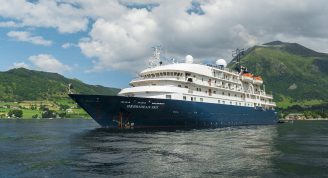
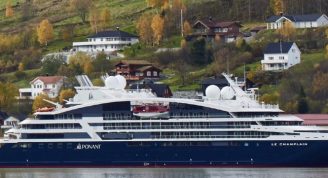
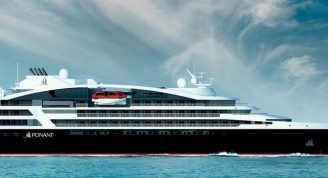
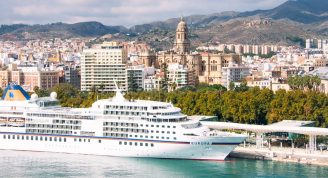
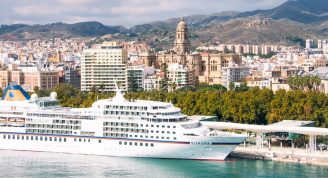
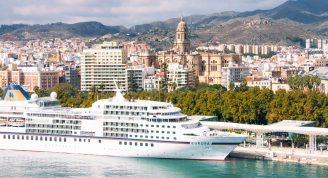
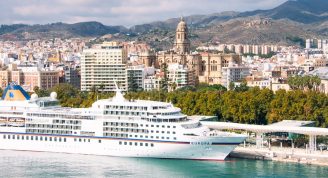
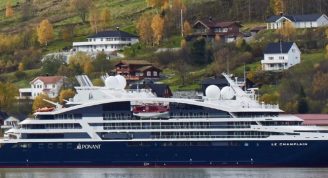
- Cruise the Galapagos aboard the Queen Beatriz
- Visit the giant tortoise breeding centre
- Explore the island of Floreana
- Pay your respects at the Wall of Tears
- Attend the Charles Darwin Research Centre
- Cruise to the most southernly of the Galapagos Islands, Espanola Island
- Visit the highlands of Santa Cruz
- Cruise the Napo river, the largest in the Ecuadorian Amazonia
- Two night stay at Sacha Lodge
- Native guided rainforest tours.
Peregrine Travel Centre Adelaide are proud supporters of the South Australian Museum and will make a donation at conclusion of this tour to the South Australian Museum Foundation in support of the Museum/s educational programs and activities.
Inclusions
- Internal airfares and taxes to Galapagos and Coca in Ecuador
- Peregrine Adventures local tour guide
- All sightseeing, transport and excursions as per itinerary
- Accommodation: 4 nights comfortable hotel, 3 nights lodge and 7 nights on board Queen Beatriz sailing through the Galapagos Islands
- All Zodiac and shore excursions, including use of snorkelling equipment during the voyage.
- Meals: 14 breakfasts, 10 lunches and 10 dinners
Galapagos And Amazon 2013
Day 1: Friday 25th October, 2013
Arrive in Quito and transfer to hotel. On arrival at Quito's Mariscal Sucre International Airport you are met and transferred to your hotel. The remainder of the day is at your leisure. There is a pre-departure meeting in the evening at 6pm. Note: Quito is located at 2850 metres above sea level. At this altitude you may experience some of the milder effects of altitude sickness, such as dizziness, insomnia and a shortness of breath. If so, it is recommend you avoid any strenuous activity.
Day 2: Saturday 26th October, 2013
Quito city tour
Today you will take a guided city tour through Quito visiting many of the historical highlights of this city, voted the best Americas’ International Capital in 2011. Your tour will include the neighbourhoods of the 'Guapulo Mirador', passing through the 12 of October Avenue, the Culture House and the Legislative Palace (Congress). Here you can appreciate the history of Ecuador depicted in rock murals. Your tour will continue to Gran Colombia Avenue and up to the Basilica Church before continuing to the 'San Juan Mirador'; the ideal spot to view Colonial Quito. A walk through the colonial streets will lead you to Independence Plaza and an opportunity to admire the Cathedral, the Government's Palace, the Archiepiscopal Palace and the Company Church, known for its gold altars and the adornments. A visit to the Sagrario Church and San Francisco Church, will round out your day before your final stop at the 'Panecillo Mirador', the most famous hill of Quito, from where you will be able to view both the colonial and the modern Quito.
The remainder of your evening will be at leisure
Meals included: 1 breakfast
Day 3: Sunday 27th October, 2013
Morning flight to Baltra, transfer to the M.C Queen Beatriz. Visit Punta Carrión.
This morning you are transferred to the airport for our flight to the Galapagos Islands. Lunch is normally served on the flight. On arrival at Baltra Airport in the Galapagos you must pay the US$100 arrival tax for entry to Galapagos National Park. This is best done using cash, as using credit cards can be a time consuming process. You will be met in the arrival hall of the airport by your National Park Guide, and transferred to your catamaran ‘M.C Queen Beatriz’. Your first stop in the afternoon is Punta Carrion, located in north-eastern Santa Cruz. This is a shallow and protected cove, ideal for your first snorkel and swim in the Galapagos! Wildlife is plentiful; keep your eyes peeled for blue-footed boobies, Galapagos herons, great blue herons and underwater swim among rays and white-tipped reef sharks.
Meals included: 1 breakfast, 1 lunch, 1 dinner
Day 4: Monday 28th October, 2013
Isabela Island, including Tintoreras, Giant Tortoise Breeding Center and the Wall of Tears.
Today you wake up on the South Coast of Isabela Island, the largest of the Galapagos Archipelago. Isabela was formed by five giant volcanic craters, all of which are still considered active. The island is located in one of the youngest geological areas in the world, having been formed less than 1 million years ago. This southern coast of turquoise blue waters has the largest area of beaches in the Galapagos. You visit Las Tintoreras, where from the viewing walkway you can look down into this narrow channel to see a colony of white-tipped reef sharks swimming and sleeping, and the occasional playful sea lion among them! Blue-footed boobies and penguins, marine iguanas and crabs also make their home here, and the waters provide further opportunities to swim with turtles. Here we also visit the Giant Tortoise breeding centre and the Wall of Tears, constructed from lava by prisoners of the penal colony here between 1946 and 1959 as punishment.
Meals included: 1 breakfast, 1 lunch, 1 dinner
Day 5: Tuesday 29th October, 2013
Cruise to Floreana Island, exploring Post Office Bay, Devil's Crown and Punta Cormorant.
The island of Floreana is a highlight of any Galapagos cruise, rich in natural wonders and wildlife. You go ashore at Punta Cormorant where the sand is made up of fine olivine crystals, a glassy volcanic mineral, giving the beach an olive-green colour. It is the best place to see Galapagos sea lions. Today is also one of our finest opportunities to see pink flamingos and other water birds wading in the lagoons, including pintails and stilts. Just offshore, the Devil’s Crown is an old eroded volcanic cone and a popular roosting site for seabirds such as boobies, pelicans and frigates. Red-billed tropicbirds can also be seen nesting in the rocky crevices. The centre of the cone is an outstanding snorkeling spot, perhaps the most remarkable in the entire archipelago, full of sea lions and colourful fish. Floreana is also home to Post Office Bay, where 18th century whalers used a barrel as an unofficial mail drop. This custom continues to this day with visitors to the Galapagos – post one of your own, or see if there are any you could deliver back home!
Meals included: 1 breakfast, 1 lunch, 1 dinner
Day 6: Wednesday 30th October, 2013
Santa Cruz Island, visiting Charles Darwin Station and the Highlands.
Today you visit Santa Cruz, the second largest island in the Galapagos. The small town of Puerto Ayora is the economic centre of the archipelago, and home to the Charles Darwin Research Station. As well as undertaking vital conservation work, the station also makes for interesting exploration and offers the best opportunities for close encounters with giant tortoises, including the famous ‘Lonesome George’, the last tortoise of his sub-species (one of 11 sub-species native to the islands). We also observe baby tortoises and land iguanas. Afterward you will head up into the highlands for a total change of scenery. Beginning at the coast, travel across Santa Cruz through the agricultural region and into the misty forests. Here it is a lush humid zone containing miconia bushes, scalesia and inactive volcanic cones. Santa Cruz has more endemic plants than any of the other islands and you are likely to see Galapagos giant tortoises in their natural habitat and perhaps even the bright red feathers of a vermillion flycatcher!
Meals included: 1 breakfast, 1 lunch, 1 dinner
Day 7: Thursday 31st October , 2013
Visit Santa Fe and Plaza Sur.
Santa Fe is home to more sea lions, and these ones are very eager for swimming partners! It’s a lovely place to take a dip, and the landscape on the inland trails is also beautiful, with cacti forests and to a unique sub-species of land iguanas. Hiking towards the cliffs on Santa Fe leads you to a forest of prickly pear cactus. A member of the cactus family, their name comes from the pear shaped fruit the plant produces. Once back at the beach you will have some free time to snorkel back in the lagoon. Playful sea lion pups and florescent fish make for fascinating company. Your next stop, a small island, Plaza Sur, is a place of great beauty, where you get close to sea lions and onto trails past one of the Galapagos’ largest land iguana populations, resting amid cacti and volcanic landscapes coloured bright red and green by sesuvium. The island’s rugged southern cliffs are an excellent place to spot tropicbirds and swallow-tailed gulls, as well as ‘the gentlemen’s club’, a gathering of male sea lions either too young or too old to be ‘beachmasters’!
Meals included: 1 breakfast, 1 lunch, 1 dinner
Day 8: Friday 1st November, 2013
Espanola Island, including Bahia Gardner and Punta Suarez.
Today you cruise to the island of Española Espanola - the southernmost island of the Galapagos and one of the most spectacular. Because of its remote location this island place has a large population of endemic fauna. It is the breeding site for nearly all of the world's 12,000 pairs of waved albatrosses and also home to colonies of blue-footed and masked boobies. Trails from the golden beaches, where sea lions bathe and marine iguanas make their way towards the water, lead us right through the middle of booby colonies, and Galapagos doves and mockingbirds are also often seen. We also visit the beautiful white sandy beaches at Bahia Gardner, which are great places for swimming and relaxing. The rocks off the coast provide excellent snorkeling opportunities, with reef sharks, turtles and many species of tropical fish, including surgeon and angelfish. The small white-tipped reef sharks are also often spotted resting under the rocks. You will also pay a visit to Punta Suarez, one of the most attractive locations in the Galapagos and home to large and varied wildlife population - a walk along its trails takes you to a cliff top viewpoint and a magical panorama. Boobies line the rocky shoreline beneath, while frigate birds may be seen overhead; nearby enormous male sea lions can be seen lounging and albatross use the cliffs as their ‘runway’, helping become airborne by the southeast winds that blow across this part of the island. If you’re lucky you’ll see the elaborate courtship rituals performed by albatrosses before the female chooses her lifelong mate!
Meals included: 1 breakfast, 1 lunch, 1 dinner
Day 9: Saturday 2nd November, 2013
Cruise to San Cristobál Island, visiting Leon Dormido, Isla Lobos and Punta Pitt.
This morning you will visit Punta Pitt on the eastern end of San Cristobál Island. Walk to the top of the volcanic hill for expansive views of the sparsely vegetated area. A variety of seabirds nest here, including blue-footed boobies, red-footed boobies and frigates. Close by we pass through Leon Dormido (Kicker Rock), which is a magnificent rock in the middle of the sea, the shape resembles a sleeping lion. The rock rises 150 metres above the surface and is divided into two parts by a narrow channel. You will also visit Isla Lobos, a tiny island almost touching San Cristobál Island. This is the perfect time to witness the always friendly sea lions as they play in the calm shallow waters here.
Meals included: 1 breakfast, 1 lunch, 1 dinner
Day 10: Sunday 3rd November, 2013
Fly from San Cristobál to Quito.
Visit the Interpretation Centre in the morning. The centre brings the history and geography of the archipelago to life, from its volcanic origins to the present day. The human history exhibit offers an insight into the discovery and colonisation of the Galapagos, and the reality of the problems the islands face today is also explored. This is a great way to complete your time in the Galapagos. This is our final excursion before we head to the airport in San Cristobál for our flight back to Quito. As you will be leaving the boat this morning, please remember that if you have enjoyed the services provided by your guide and crew, a tip would be very much appreciated by them. As a guideline we recommend each passenger consider US$15 per day for the crew and US$10 per day for your guide. You can leave tips in envelopes that are placed in your cabin on this last day of your journey. Upon arrival in Quito Airport you are transferred back to our hotel for an overnight stay.
Meals included: 1 breakfast
Day 11: Monday 4th November, 2013
End of Galapagos tour, beginning of Sacha lodge.
Today after breakfast you should meet your transfer driver in the lobby at 8.00am for your transfer to the airport. The transfer driver will have your flight tickets and vouchers for your lodge stay. The flight over the Andes to the river port town of Puerto Francisco de Orellana, (or Coca) takes approximately 45 minutes. Here a local guide will meet you and transfer you to the town docks, where a covered motorized canoe will take you on a two-hour journey down the Napo River to the Sacha Lodge. The Napo River is the largest river in Ecuadorian Amazonia and as you cruise along the water it is easy to spot a number of shore birds including herons, kingfishers, spoonbills and ospreys. Upon arrival at Sacha Lodge’s 2000-hectare private reserve, you will walk along a raised boardwalk through dense forest to Pilchicocha Lake, where dugout canoes await to take you to the lodge. It is not unusual to see several species of monkeys and tropical birds along the way, including the ancient looking Hoatzin! The Hoatzin, one of the strangest living birds, is considered by many as a link with the first known bird, Archaeopteryx that became extinct millions of years ago. There is time this afternoon to take a walk, or swim, or to explore the surrounding jungle and its wildlife.
Meals included: 1 breakfast 1 lunch, 1 dinner
Day 12 - 13: Tuesday & Wednesday 5th – 6th November, 2013
Sacha Lodge
Over the next two days native guides will lead you on various excursions and activities. Most of our day, however, will be spent in the forest. Mornings start early; groups are usually on the trail by 6am. Not only is it cooler at this hour, but also animal and bird activity is at its peak. Most trails return you to the lodge for lunch, with ample time afterwards for a swim and an afternoon siesta before hitting the trails again. Your guides are a wealth of information with expert knowledge of the rainforest’s medicinal properties and the biology and ecology of the area. The activities are spread over a wide area of the reserve, allowing you to explore fascinating habitats. Some trails lead through forested areas with kapok trees towering above, whilst others take you across boardwalks through rich rainforest undergrowth and over the marshlands. You can paddle in dugout canoes along creeks and lakes where lianas, bromeliads and palm trees thrive and the possibility of sighting wildlife, from the tiny pygmy marmoset to pumas, is ever present. Night walks and canoe trips are also possible and offer the opportunity to see creatures that do not venture out during the day. Most often it is caimans (of the alligator family) and giant insects that are sighted at night! Other activities include a visit to Ecuador’s most accessible parrot lick, an exposed clay bank where brightly coloured parrots, macaws and parakeets gather in the early morning. Half an hour’s walk from the lodge is the observation tower. At over 40 metres high, it is above the rainforest canopy, and is probably the best place to view the area’s rich wildlife through the powerful telescope provided. You can plan on seeing the howler monkeys, and hopefully the three-toed sloth, and exotic birds with equally exotic names including Paradise Tanager, Spangled Cotinga or the Many-banded Aracari. Sacha Lodge is also home to one of the largest butterfly farms in Ecuador and is successfully breeding nearly forty local butterfly species, including the amazing and very large blue morph – a visit is a must.
Meals included: 2 breakfasts, 2 lunches, 2 dinners
Day 14: Thursday 7th November, 2013
Quito
You are transferred by boat back to Coca for your flight to Quito, where you will overnight.
Meals included: 1 breakfast
Day 15: Friday 8th November, 2013
Quito
Your tour ends this morning after breakfast.
Meals included: 1 breakfast
About Sue Mikkelsen
Travel surely must have been one of the first words I ever uttered as I apparently walked before I crawled and was always ready to go places from an early age - blame it on my Viking ancestors!! My very first “expedition” was to the Stirling railway station at age 3½ where, with toothbrush and my trusty teddy bear, I was spied waiting for the Melbourne bound train!!!
Born in Melbourne, but moving to Adelaide at 3 years old, there are many memories of long hot summer drives back to visit family in country Victoria, random overnight return trips for family gatherings and the annual train (then replaced by plane) trip to visit Granny in Castlemaine for May school holidays. As I grew older family holidays became more “adventurous” as my father and I choose destinations further afield - with a less than enthusiastic mother!
A year living in London and travelling UK/Europe at age 19 became an eventual 20 year sojourn abroad. A year in Europe, supposedly culminating in an African overland truck adventure, turned into 17 years in Africa. Mainly in Southern Africa but travelling widely both with my job and on holiday I explored from SW Africa (now Namibia) and Botswana to Rhodesia (now Zimbabwe), Swaziland, Lesotho, Kenya, Mozambique and into the Indian Ocean islands of Seychelles and Mauritius.
I have been “home” in Adelaide since 1990 working in tourism/hospitality, then as marketing manager at the Adelaide Entertainment Centre before starting my own sponsorship marketing consultancy 14 years ago. I have thoroughly enjoyed re-discovering Australia in the interim as well as developing a passion for Asia (yet still retaining my love affair with Africa!). My travels have taken me from Tasmania, Broome and the APY Lands to Vietnam, Laos, Cambodia, Thailand and recently Bangladesh, Bhutan and Burma as well as several trips back to visit friends and haunts in Africa.
A traveller, not a tourist, my interest in nature, science and biodiversity/the environment has been significantly increased through a 13.5 year working association with the South Australian Museum which concluded in late September 2012. My role afforded many opportunities for conversations with Tim Flannery (when he was director), special guests such as Redman O’Hanlon, Jarrad Diamond, David Suzuki and of course many exceptional scientists. So whilst Charles Darwin and the Galapagos Islands have long been a “dream combination” what a thrill it will be to share with fellow travellers and bring it to life from the pages of the many books I’ve read and the countless conversations and lectures I’ve enjoyed.
IN A NUTSHELL
FURTHER ENQUIRIES