fbpx

A D-Day Commemoration – England & France Cruise – London to London

A D-Day Commemoration – England & France Cruise – London to London

$0DDLAE 0 0
Call for Price

Description

Welcome to Aurora Expeditions’ A D-Day Commemoration
In honour of the men and women from across the globe who united in a valiant struggle for freedom in June 1944, we embark on a poignant journey where the echoes of courage and sacrifice reverberate along every shoreline. On 06 June 1944, Allied forces launched a historic battle that would alter the course of World War II forever. This voyage pays homage to those who came ashore along the iconic Normandy coastline.
We plan to attend the commemorative event on 06 June at the Normandy American Cemetery and Memorial at Colleville-sur-Mer. Delve into museums and memorials that recount individual stories of heroism and resilience and visit the Normandy villages that still commemorate their liberation over 80 years later.
Following the footsteps of those who fought and fell, we gain a profound understanding of the immense courage of the participating forces and their enduring legacy. Join us for an unforgettable tribute to the events that reshaped the map of Europe, in honour of those to whom we owe so much.
Trip Name
A D-Day Commemoration - England & France Cruise - London to London
Days
9
Overview
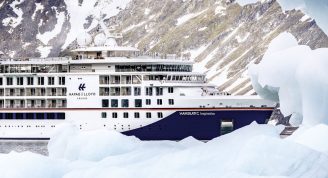
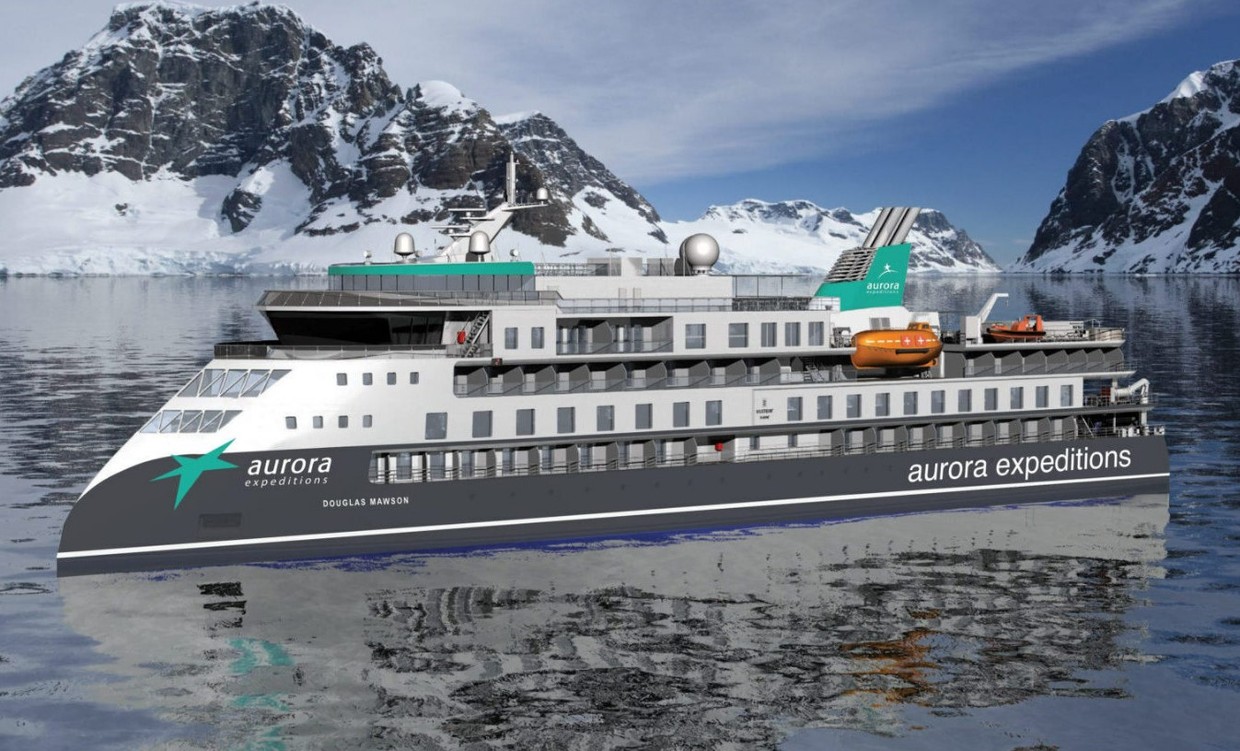
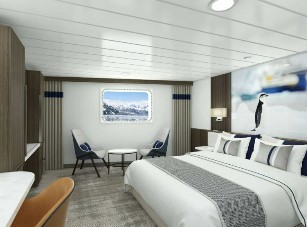
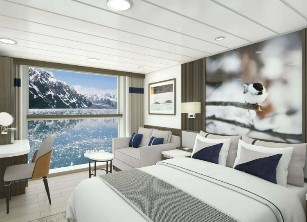
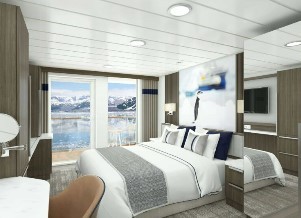
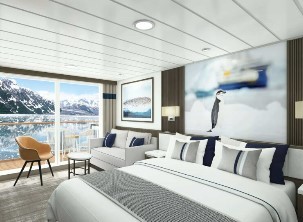
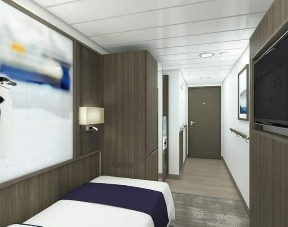
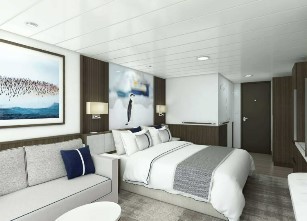
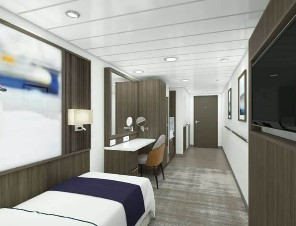
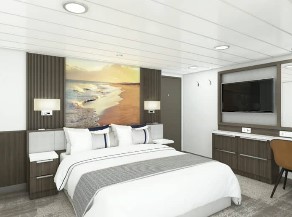
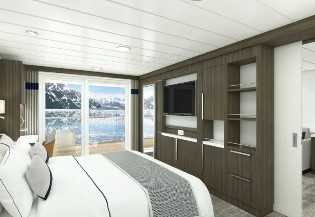
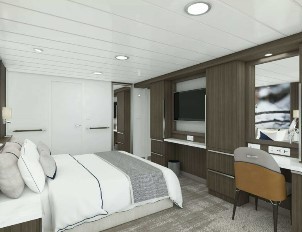
Vessel Type: Small Ship Expedition Passenger Capacity: 154 Lenght: 104.4 m Built: 2025 Setting sail in 2025, the Douglas Mawson is the latest addition to Aurora Expeditions’ fleet of purpose-built small ships, designed for global discovery and adventure in comfort. Named after the pioneering Australian geologist and explorer, this state-of-the-art vessel combines cutting-edge technology with elegant design, featuring the revolutionary Ulstein X-BOW® for smoother sailing and enhanced sustainability. With space for up to 154 guests (130 on expedition voyages), it offers an intimate and environmentally conscious cruising experience. Multiple observation areas, a heated pool, Jacuzzis, and a sauna ensure guests enjoy both exploration and relaxation in equal measure. On board, passengers can delve deeper into their destinations through engaging lectures in the theatre, hands-on learning in the Citizen Science Centre, and peaceful moments in the library or observation lounge. Dining is relaxed and sociable, with open seating, hearty cuisine, and complimentary beverages with dinner. Accommodation options range from luxurious suites with private balconies to well-appointed solo staterooms, catering to every traveller’s style and comfort. Whether navigating the polar regions or exploring the British Isles and Mediterranean, the Douglas Mawson delivers the perfect balance of adventure, discovery, and refined small-ship luxury.

Itinerary


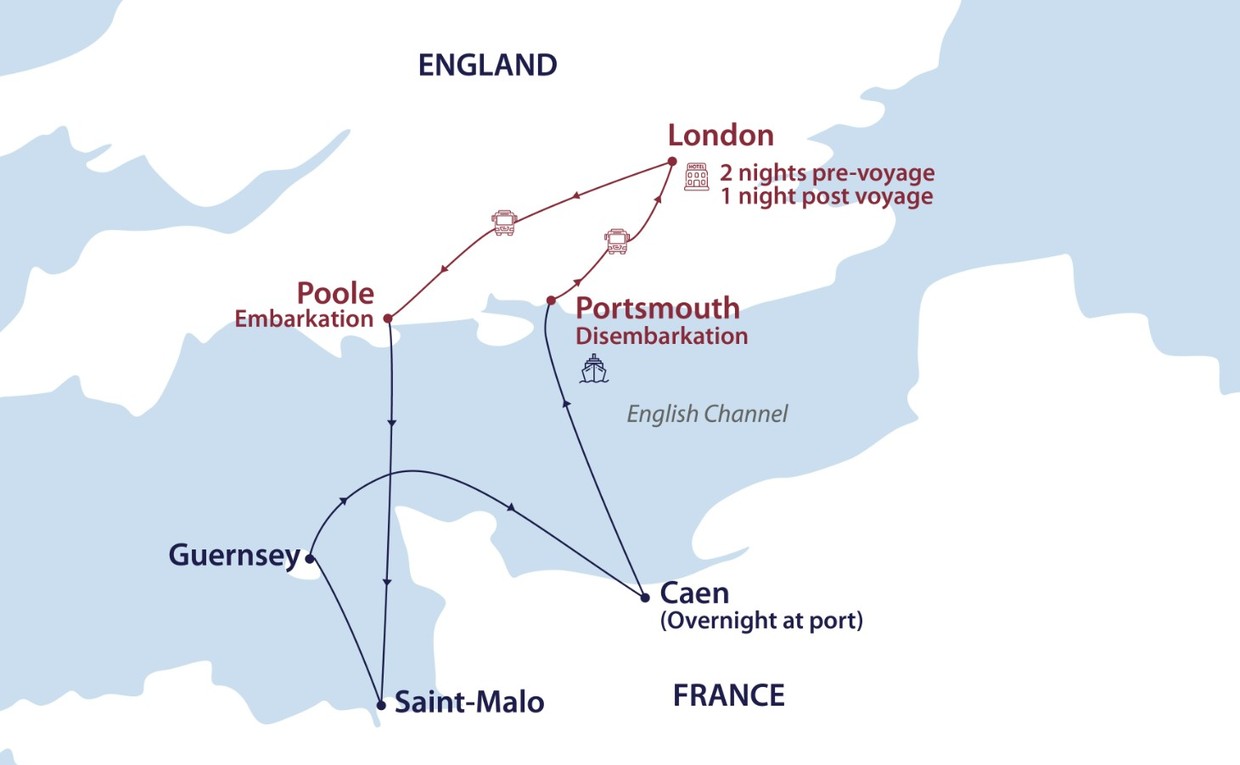
Day 1 - Day 1 Arrive London, UK
Welcome to London. On arrival at London airport make your way to the arrivals hall to meet our representative, followed by a transfer to our group hotel. At the hotel, visit our hospitality desk in the lobby to meet our team who will provide you with useful information regarding pre-embarkation procedures and about your time in London. You will also receive cabin tags for your luggage. Please clearly label the tags with your name and your cabin number on the ship.This evening offers time to relax in preparation for our ‘Day out in London’ tomorrow. Our group hotel offers a restaurant and is conveniently located close to pubs and cosy restaurants should you wish to enjoy some local cuisine.
Day 2 - Day 2 London
Today we immerse ourselves in stories from London’s wartime era with a driving tour of the city before a visit to the Churchill War Rooms.  Join us this evening for drinks and canapés as we celebrate the start of our journey.During World War II, London faced a period of relentless bombing raids, with over 30,000 civilians losing their lives during the Blitz from 1940 to 1941. The city’s spirit was tested as residents huddled in backyard bomb shelters and London Underground stations during air raids, while the introduction of V-1 and V-2 rockets in 1944 and 1945 brought further destruction and fear. Amid these hardships, King George VI and Queen Elizabeth I chose to remain in London, embodying steadfast resolve and solidarity with their people. Winston Churchill, the country’s indomitable prime minister, also stayed, leading and inspiring resilience through his speeches. Daily life was marked by hardship, including food shortages and rationing, constant alerts and the strain of living under siege conditions. Despite these challenges, Londoners’ spirits remained unbroken, embodying an enduring resolve and unity.Few sites capture the essence of World War II like London’s Churchill War Rooms, the nerve centre of the Allied offensive. This underground labyrinth housed Winston Churchill and much of Britain’s wartime cabinet, playing a pivotal role in orchestrating the D-Day invasion and the overall Allied victory. On 10 May 1940, Britain’s new Prime Minister strode purposefully down to the basement of an anonymous government building and declared, ‘This is the room from which I will run the war.’ Deep beneath Whitehall, these secretive chambers, with their offices, map rooms and bedrooms preserved in their wartime state, were where the war was strategically ‘fought’. Churchill famously said, ‘The War Rooms were the headquarters of the Allied Command. They were the centre of the action.’ Today, the Churchill War Rooms, including the acclaimed Churchill Museum, offer a fascinating glimpse into the hidden world where critical decisions were made, and remain one of London’s most compelling attractions.Accommodation: London Hotel (or similar)Meals: Breakfast, Welcome reception (drinks and canapés)
Day 3 - Day 3 Embark Poole (Port: Poole)
After checking out of our hotel, our morning is spent at a poignant reminder of those who fought and lived through World War II: the Imperial War Museum. Founded in 1917, the Imperial War Museum commemorates the sacrifices and experiences of those involved in conflicts from World War I to present day. Originally housed at Crystal Palace, it moved to its current location in Lambeth, London, in 1936 to better accommodate its extensive collections.A stand-out feature of the Imperial War Museum is its D-Day section, which offers an in-depth look at the critical Allied invasion of Normandy on 6 June 1944. Through personal testimonies, artefacts donated by veterans and their families, and immersive displays, this exhibition explores the intricacies of Operation Overlord. Visitors can engage with multimedia presentations and reconstructed scenes that illustrate the strategic planning, the valour of the troops, and the profound impact on civilians.After a brief guided tour, and time to browse the museum’s numerous collections, we drive to the coast and a city closely connected to Operation Overlord; Poole. Poole’s extensive harbour played a pivotal role during Operation Overlord. As the third largest embarkation point in the country, Poole Harbour became a hub of military activity. Near to Poole, Studland Beach and Fort Henry, a concrete observation bunker built in 1943 were used by King George VI, Winston Churchill, and Dwight D Eisenhower to observe Exercise Smash —a full-scale amphibious landing rehearsal using live ammunition held at Studland Beach. Over 41,000 troops and 5,000 vehicles departed from its shores, along with more than 300 vessels, bound for the beaches of Normandy. Poole’s vast natural harbour and the surrounding terrain made it an ideal location for military staging, logistics, and embarkation. Temporary camps, supply depots, and training grounds were established throughout the area. After boarding Douglas Mawson, enjoy a Welcome Dinner as we follow in the wake of those 300 vessels towards the French coast.
Day 4 - Day 4 Saint-Malo (Port: Saint-Malo)
Our small ship berths at the tidal bay of Saint-Malo this morning, with our ‘Your Choice’ experiences offering an insight into one of the last strongholds held during the Allied campaign. Perched on the border of the former kingdoms of Normandy and Brittany, the walled city of Saint-Malo boasts medieval architecture, cobblestone streets, and shops filled with delicious Breton treats, truly embodying its nickname as a ‘pirate town.’Known as the ‘City of Corsairs’ due to its notorious privateering past, Saint-Malo’s strategic importance carried into the 20th century. In August 1944, its role as a Nazi stronghold led to over 80 per cent of the town being destroyed by Allied bombing. Today, Saint-Malo has risen from the ashes as an authentic piece of history, offering visitors a captivating glimpse into its storied past.Personalise your exploration with our included ‘Your Choice’ experiences.Option 1 – Morning experience:  World War II Saint-MaloJoin our locally guided World War II walking tour of Saint-Malo and immerse yourself in the dramatic events of 1944. For two relentless weeks, Allied forces bombarded this Axis stronghold, reducing 80 per cent of the city to rubble and ultimately forcing the Nazi forces to surrender. Experience the tension as residents were forced to surrender their wireless receivers under threat of arrest as saboteurs. Reflect on the bravery of the Resistance fighters, many of whom were interned at Fort National. This poignant tour offers a powerful reminder of the war’s impact on Saint-Malo and its resilient people, capturing the essence of their courage and determination in the face of overwhelming adversity.Option 2 – Morning experience: The Pirate Town of Saint-MaloThe captivating story of Saint-Malo unfolds this morning as our local guide leads an introductory walking tour through its historic walled centre, before offering us free time to explore Saint-Malo independently. Once a pirate stronghold and later the last town standing in World War II, Saint-Malo stands proudly behind its stone ramparts, steeped in rich maritime history. From the 16th to 19th centuries, it was renowned not for piracy, but for privateering. The town served as a base for corsairs, state-sanctioned privateers authorised by the French crown to capture enemy ships during wartime. Unlike pirates, corsairs operated under official letters of marque and shared their plunder with the French monarchy. These daring seafarers brought wealth and prestige to Saint-Malo, shaping its identity and legacy. Their exploits, especially against English ships, were central to French naval success. As we stroll the narrow streets, our guide recounts tales of legendary figures like Jacques Cartier, Duguay-Trouin, Surcouf, and even the romantic writer Chateaubriand. Their stories, filled with bravery, intrigue, and ambition, breathe life into the storied past of this eclectic coastal town.Option 3 – Half-day experience: Mont Saint-MichelNormandy’s most recognisable silhouettes, the UNESCO World Heritage-listed Mont Saint-Michel, has captured the imaginations of pilgrims, artists, and travellers for centuries. Founded as a monastery in the 8th century, Mont Saint-Michel became a significant pilgrimage destination during the Middle Ages. Its abbey, perched atop the island’s rocky peak, is a masterpiece of medieval architecture, blending Romanesque and Gothic styles. The narrow, winding streets of the village below the abbey are lined with buildings dating back centuries. Visitors can explore the abbey’s intricate chapels, cloisters, and panoramic viewpoints that offer sweeping vistas of the bay.During World War II, just four days after the occupation of Paris, Axis forces took control of Mont Saint-Michel, using St. Aubert Church as a lookout post. The island also became a popular destination for German and Austrian tourists and soldiers, attracting around 325,000 visitors. After General Patton broke through at Avranches at the end of July, a Jeep carrying three passengers departed from nearby US positions towards the monastery on 1 August 1944.One was Private Freeman Brougher of the 72nd Public Service Battalion, a propaganda unit, accompanied by two British journalists. By the time they reached the island, the Jeep was carrying several hangers-on, including a fireman, two priests and three women. Brougher drove down the causeway to Mont Saint-Michel and received a hero’s welcome. Surrounded by a jubilant crowd and handed babies to kiss, Brougher was escorted to the mayor, who had him sign the Golden Book, the island’s record of visiting nobility.
Day 5 - Day 5 Guernsey (Port: St Peters Port)
A mere 48 kilometres (30 miles) off the Normandy coast, the self-governing British Crown Dependency the Bailiwick of Guernsey, is one of the eight permanently inhabited strongholds of the Channel Islands. Despite being closer to France, Guernsey holds to its distinctive British character. When William the Conqueror, Duke of Normandy, became King of England in 1066, the Channel Islands, including Guernsey, became possessions of the English Crown. They have remained British Crown Dependencies ever since.Guernsey and the other Channel Islands were the only British territories occupied by Axis forces during World War II. The occupation began on 30 June 1940, following the fall of France, and lasted until 9 May 1945. The invaders forces transformed Guernsey into a fortified defensive position, with extensive bunkers, gun emplacements and tunnels.Our locally guided tour today, not only uncovers the strategic significance of Guernsey during World War II but also pays tribute to the enduring spirit of its people who lived through these harrowing times. Our evening sailing returns us to the mainland of France at the mouth of the River Seine at Honfleur.Life under Nazi rule was extraordinarily difficult. Food had been rationed for several years, but by the end of the war, it became impossible to import supplies from France, leading to severe shortages. During the autumn of 1944, fuel and food supplies were running critically low and medical supplies were almost non-existent. Over 1,000 of the 24,000 residents not evacuated to England were deported to German prisons and labour camps, with only about 700 returning. Communication with the outside world was heavily restricted, adding to the isolation and hardship.Despite these relentless challenges, the people of Guernsey exhibited remarkable resourcefulness and resilience. Their courage and determination were crucial in enduring the occupation. Liberation on 9 May 1945, is celebrated annually as Liberation Day, symbolising the end of a harrowing chapter and the beginning of recovery and rebuilding.Our guided tour of Guernsey’s World War II sites offers a poignant journey into the island’s wartime history.We visit two sites relevant to this period including the German Occupation Museum where you will find a collection of authentic artefacts generously donated by residents. These items provide a deeply personal glimpse into the daily struggles and hardships faced by the islanders. Our visit to The La Valette Underground Military Museum, highlights the vast network of secret tunnels constructed using forced labour. Originally intended as a U-Boat fuel store, these tunnels reveal the extreme fortifications imposed by the Nazis and the suffering of those who were forced to work on them.
Day 6 - Day 6 Caen and D-day beaches, France (Port: Caen)
Sailing the Orne River in the early hours of 5 June, we dock at the port of Caen, where Douglas Mawson remains overnight, giving us access to the region’s D-Day sites and memorials. Today is divided into morning and afternoon experiences, including visits to two landing beaches and the Caen D-Day Museum. (Note: both experiences are included today if you wish to join them.)This morning, we drive to the eastern sector of the beaches related to the D-Day operations, where our local guides provide a vivid account of the events, bringing the stories of courage and sacrifice to life. We spend time at the historic beaches known as Sword and Gold, with their memorials dedicated to the soldiers, sailors and airmen who landed on D-Day and in the days that followed. (Note: Due to high visitor numbers in the region on this date, our guides will determine which beaches can be accessed. Every effort will be made to include those listed below.)On the night of 5 June and into the early hours of 6 June, airborne troops parachuted into action while heavy bombers targeted key coastal artillery. An armada of 5,000 ships, including a thousand battleships, crossed the English Channel under cover of darkness and storm, their approach shielded by damaged German radar stations.At 5.45am, battleships began their bombardment, paving the way for landing craft and the first assault waves.Sword Beach – To the west of the Orne, between Langrune-sur-Mer and Ouistreham, the sector was heavily fortified. General Rennie’s 3rd British Division, bolstered by two special commando brigades, landed at Hermanville-sur-Mer and Colleville-sur-Mer. Intense fighting was needed to capture Ouistreham. In the afternoon, Lord Lovat’s 1st Special Service Brigade successfully reached the Ranville and Bénouville bridges (Pegasus Bridge), linking up with the paratroopers. Meanwhile, the 4th Brigade faced difficulties in capturing Lion-sur-Mer and Luc-sur-Mer, leaving a gap between Sword and Juno beaches. This breach allowed a detachment from the German 21st Panzer Division to infiltrate and briefly reach the sea before retreating. The 3rd British Division’s main force, delayed by German fortifications, was unable to capture Caen as intended.Gold Beach – The British 50th Infantry Division, led by General Graham, landed at Asnelles and Ver-sur-Mer around 7.25am. Despite fierce German resistance at both ends of their landing zone, the enemy was pushed back towards the centre, allowing the British to advance inland. By the evening of 6 June, the 50th Division’s vanguard was at the outskirts of Bayeux, which they entered without conflict the following day. Meanwhile, in the late afternoon, the 1st Hampshire Regiment advanced along the coast and captured Arromanches, the site designated for one of the artificial ports.Returning to Caen we lunch onboard Douglas Mawson. This afternoon, for those who would like to continue our D-day story we visit the former command post of German General Wilhelm Richter, the building which is now the Caen Memorial Museum. A critical site during the early weeks of the battle, this museum is considered one of the best D-Day museums in France. Offering an immersive exploration of the 6 June landings and their broader impact on the Battle of Normandy, the D-Day exhibit places this pivotal event within the context of the wider campaign, essential to the liberation of France and Europe. Through documents, artefacts, and personal accounts, visitors gain a comprehensive understanding of the invasion’s significance.The Battle of Caen, lasting from June to August 1944, became one of the most intense and prolonged engagements of the Normandy campaign. British and Canadian forces aimed to take the city swiftly, but strong German resistance led to weeks of fierce fighting. The city suffered heavy bombing and artillery strikes, resulting in widespread destruction and significant civilian casualties. Despite the challenges, Allied forces gradually encircled the city and overcame the German defences. The liberation of Caen on 20 July 1944 marked a major turning point, opening the way for the Allies to advance deeper into occupied France.Our evening is spent onboard with a presentation from our master storyteller preparing us for tomorrow’s commemoration ceremony.
Day 7 - Day 7 D-Day commemoration - Normandy American Cemetery and Memorial (Port: Caen)
Today, we plan to spend our morning at the commemoration ceremony for the 83rd anniversary of D-Day at the Normandy American Cemetery, along with its poignant visitor centre in Colleville-sur-Mer.Visiting the Normandy American Cemetery and Memorial on the anniversary is a deeply moving experience. Established on 8 June 1944, it became the first American cemetery on European soil during World War II. Spanning 172 acres, the cemetery is the final resting place for 9,389 military personnel, many of whom lost their lives during the D-Day landings and subsequent operations. The site includes the Walls of the Missing, where 1,557 names are inscribed, with rosettes marking those who have been identified since.Our time includes time spent at the Omaha memorial and the visitor centre. One-third of the 30,000-square-foot building is dedicated to exhibits featuring personal stories, narrative text, photos, films, interactive displays and artefacts that highlight the courage and sacrifice of the US forces in the Battle of Normandy. The visitor centre pays tribute to the values and sacrifices of the World War II generation, making a visit to this museum a profoundly moving experience.Omaha Beach – a seven-kilometre stretch nestled between Vierville-sur-Mer and Colleville-sur-Mer and flanked by steep cliffs. This strategic location was heavily fortified with field guns, mortars and machine guns, creating a formidable defence. Despite knowing the risks, the Allies had no alternative but to proceed with the assault. Inaccurate bombing had failed to disable the German defences, which were further bolstered by the unexpected arrival of the 352nd Infantry Division. On the morning of 6 June, soldiers from the US 1st and 29th Divisions, commanded by Generals Huebner and Gerhardt, faced devastating losses. Trapped on the beach amid a scene of chaos – bodies and burning equipment – it took them nearly six hours to overcome the obstacles, scale the embankment and reach the plateau. By evening, their advance had barely extended one mile inland.
Day 8 - Day 8 Disembark Portsmouth - London (Port: Portsmouth)
After arriving in Portsmouth, we take a short drive to the seaside suburb of Southsea, where we pause at the Portsmouth Naval Memorial. This poignant monument honours those lost at sea during both World Wars. Portsmouth’s naval legacy dates to 1194, when King Richard I ordered the construction of its first dock, making it the oldest naval base in the Royal Navy.We then continue to the D-Day Story, the UK’s leading museum dedicated to the Normandy landings, where the events of June 1944 are brought vividly to life. The museum offers a compelling insight into the pivotal role this historic port city played in the Allied invasion of Normandy. The museum opens with Landing Craft Tank 7074 (LCT), the last surviving LCT from D-Day, setting the stage for a deeper exploration of the operation. The city was a bustling hub of activity, with thousands of troops, vehicles and supplies being organised for Operation Overlord.  As you move through the D-Day and Battle of Normandy sections, you’re transported back to 6 June 1944, experiencing the intensity of the landings. The Legacy Gallery and Overlord Embroidery conclude your visit with a powerful tribute to the bravery and sacrifice of those involved.We continue to the heart of Portsmouth, where you can browse the shops or grab a bite to eat (own expense), before we drive to London where our journey ends with an overnight stay in England's capital city.Accommodation: London Hotel (or similar)Meals: Breakfast onboard
Day 9 - Day 9 Depart London
Farewell your fellow travellers this morning and transfer to Heathrow Airport (LHR) for your onward journey.Meals: Breakfast
Day 10 - Please note:
Itineraries are subject to change. 

Trip Dates

StartEndPrice FromRoom Type
31-05-202708-06-2027Array Array14,795Aurora Stateroom Twin
31-05-202708-06-2027Array Array15,495Aurora Stateroom Superior
31-05-202708-06-2027Array Array15,995Balcony Stateroom Category C
31-05-202708-06-2027Array Array16,795Balcony Stateroom Category B
31-05-202708-06-2027Array Array17,195Aurora Stateroom Single
31-05-202708-06-2027Array Array18,095Balcony Stateroom Category A
31-05-202708-06-2027Array Array18,895Aurora Stateroom Superior Single
31-05-202708-06-2027Array Array19,795Balcony Stateroom Superior
31-05-202708-06-2027Array Array23,495Junior Suite
31-05-202708-06-2027Array Array0Captain's Suite

Inclusions

    • Trace the journey of Operation Overlord from London to the coast, through Normandy and Brittany
    • We plan to attend the D-Day commemoration service at the Normandy American Cemetery and Memorial at Colleville-sur-Mer
    • Join a local guide for an in-depth tour of some Normandy beaches associated with the D-Day landings
    • Follow the World War II story of Guernsey and Saint-Malo through visits and locally guided tours

Map