fbpx

13 Days Luxury Japan Cruise – Otaru to Osaka

13 Days Luxury Japan Cruise – Otaru to Osaka

From AUD $25,200

Description

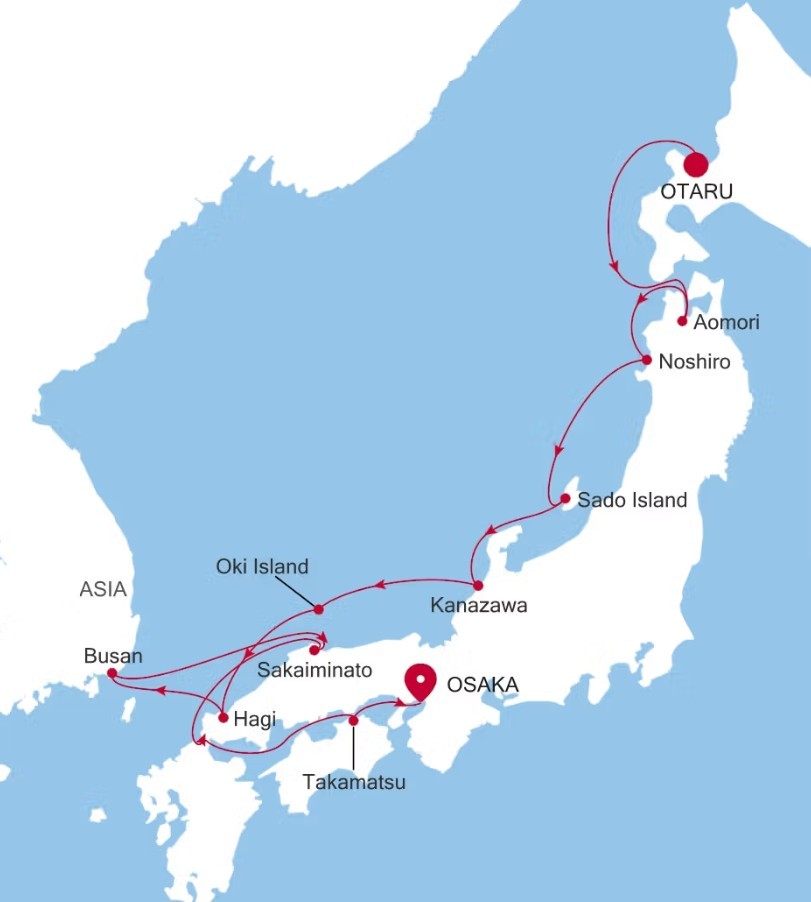
Explore Japan’s eternal creativity — from volcano-forged lands to traditions centuries in the making. Begin in Towada-Hachimantai National Park, home to bubbling springs, mountain peaks, and Lake Towada’s caldera. Sail out to Sado Island — once a place of exile, now a sanctuary. Venture to Oki Island for red rock formations and lush vegetation, then cross to Busan. Return to Japan, to explore Samurai traditions amid castles and gardens from Sakaiminato to Osaka.

Trip Name
13 Days Luxury Japan Cruise - Otaru to Osaka
Days
13
Overview
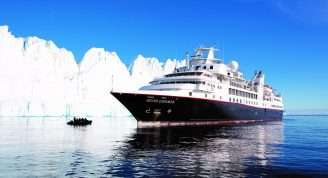
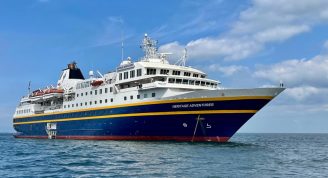
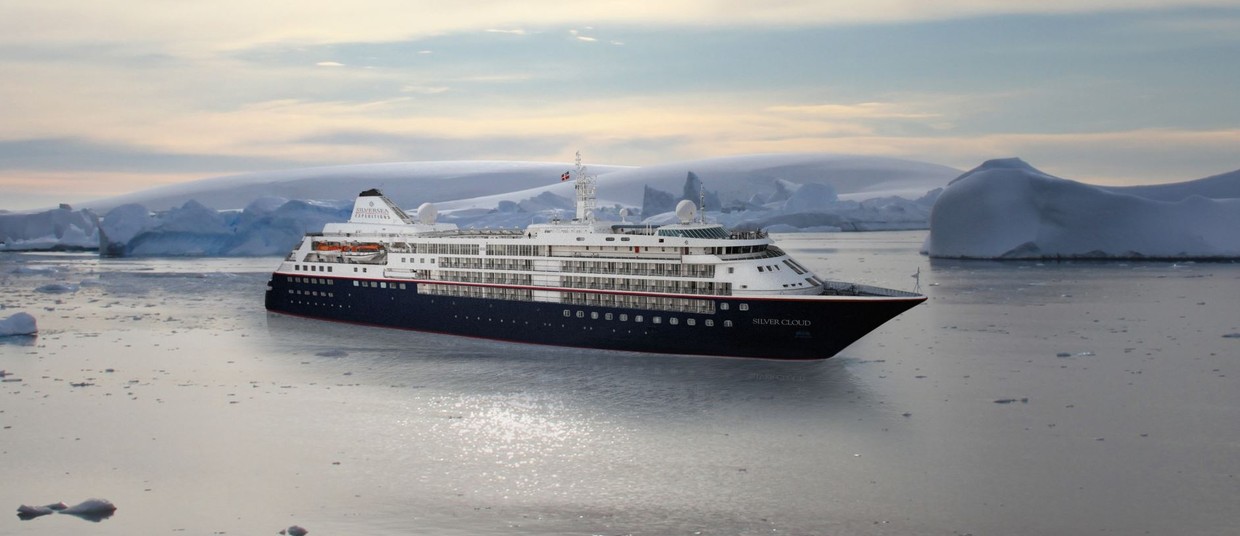
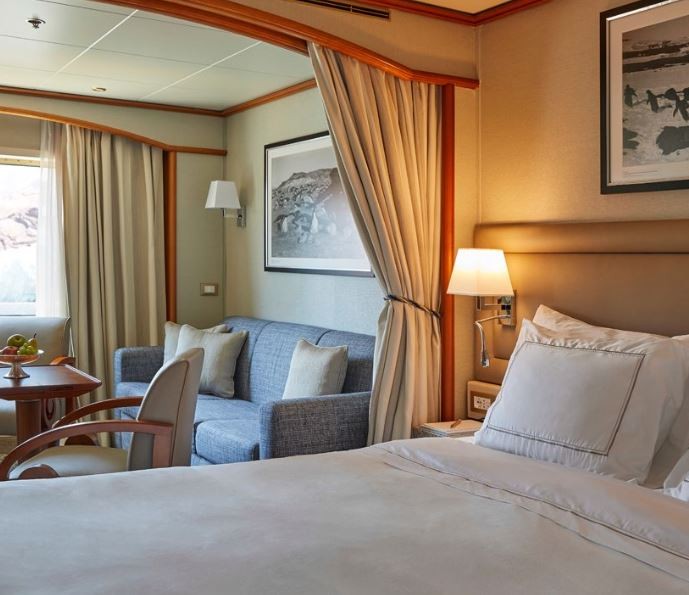
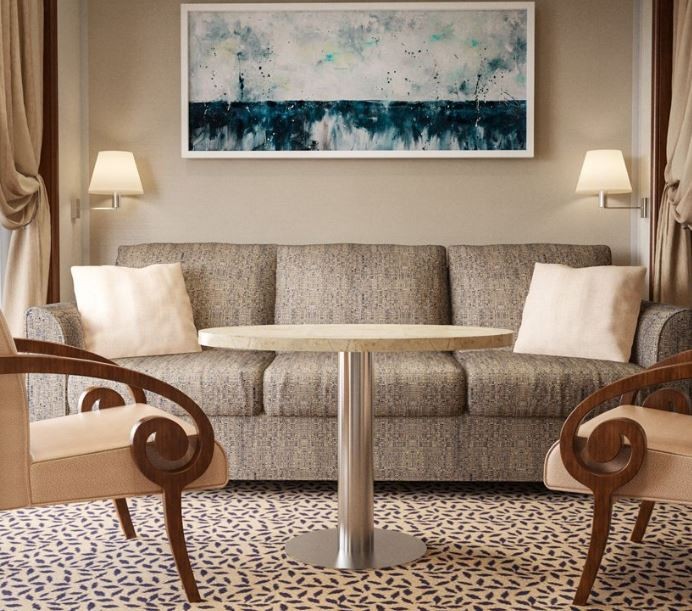
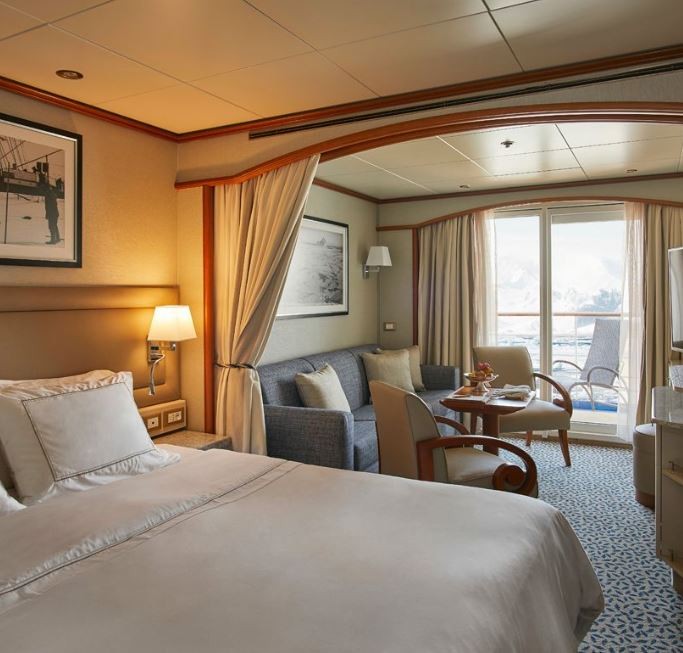
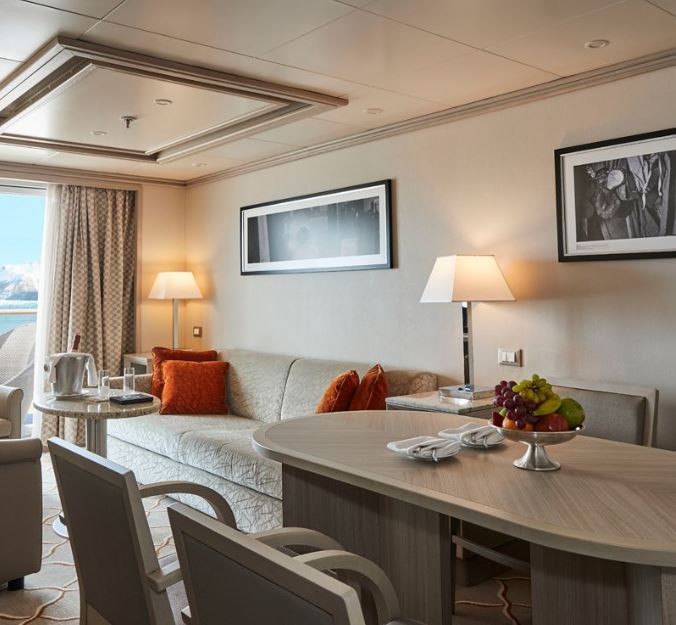
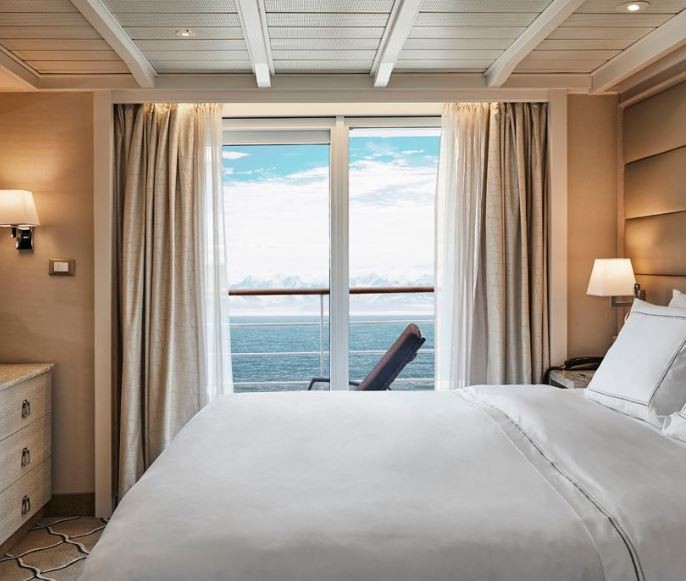
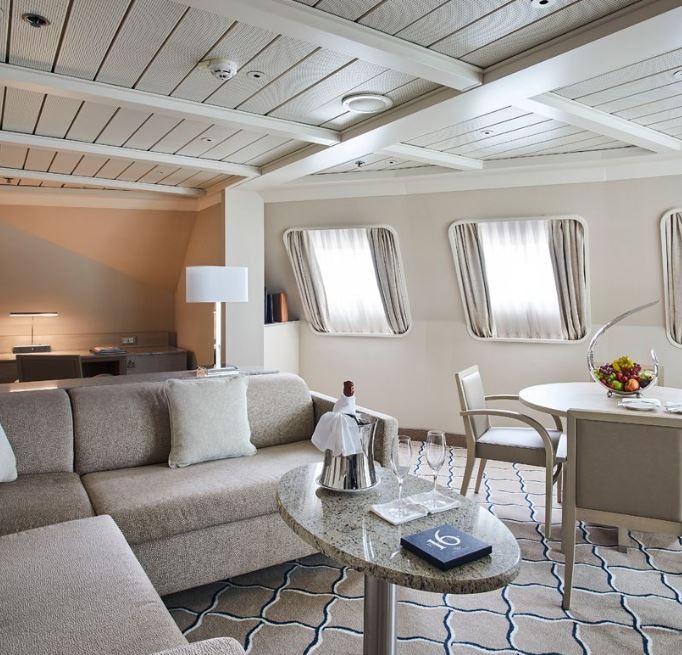
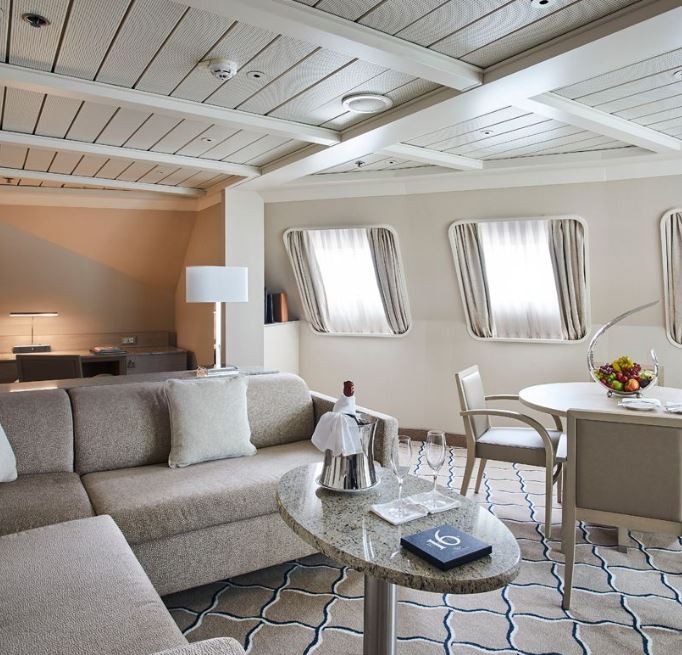
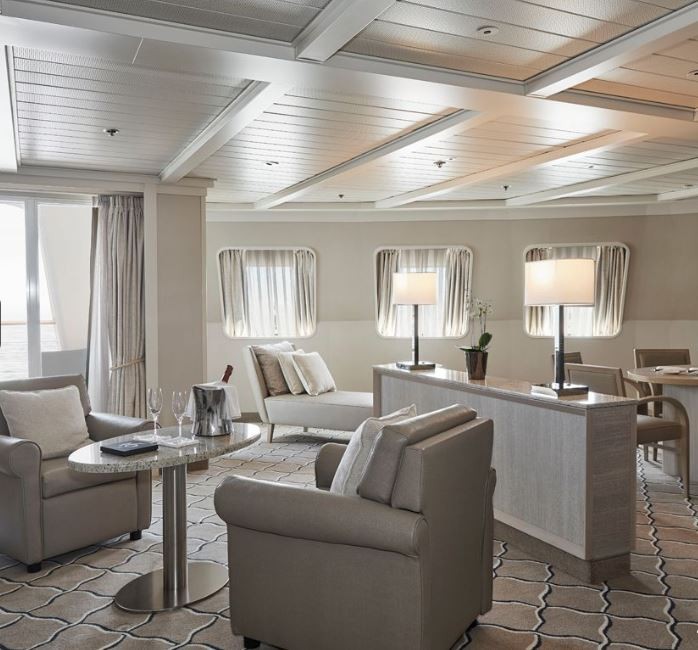
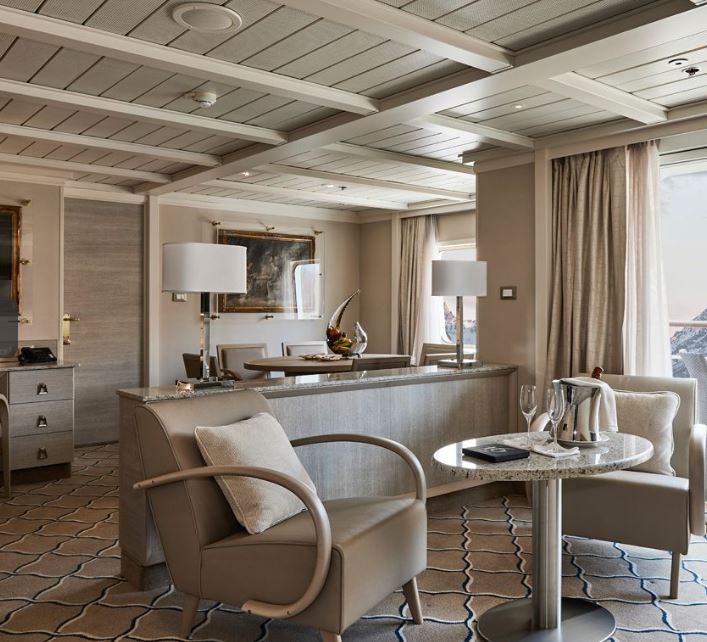
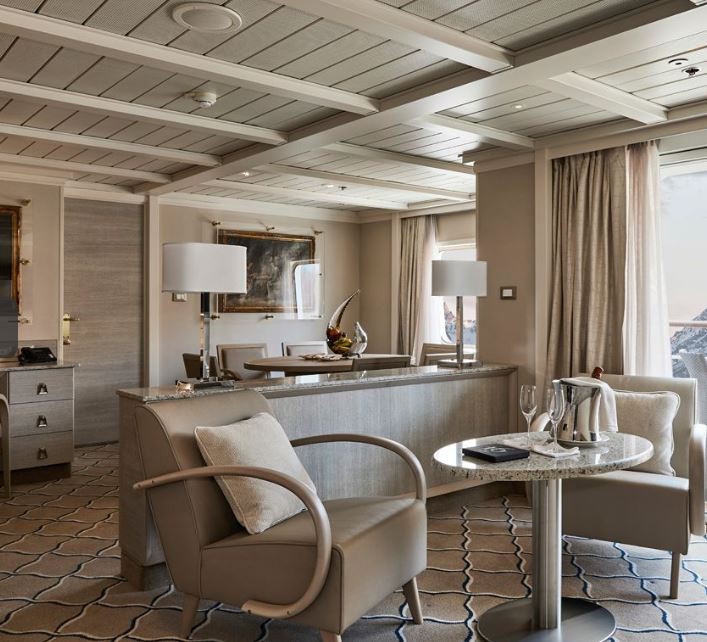
Vessel Type: Luxury Expedition Length: 157 m Passenger Capacity: 200/260 Built: 1994 Refurbished & Rebranded: 2017 Silver Cloud delivers one of the most personalised expedition experiences at sea, blending ultra-luxury with true adventure. As Silversea’s first crossover ship, she’s built for both comfort and exploration, offering large ocean-facing suites—80% with verandas—and an impressive 1:1 crew-to-guest ratio. With 20 Zodiacs and 10 kayaks, guests enjoy unparalleled access to remote locations, while expert-led excursions ensure meaningful encounters with nature and culture alike. From the icy reaches of Antarctica to the sun-kissed South Pacific, Silver Cloud brings the remarkable within easy reach. On board, refined living continues with four elegant dining venues, including French fine dining at La Dame and authentic Italian at La Terrazza. Relax in stylish public areas such as the Panorama Lounge or Connoisseur’s Corner, indulge in world-class spa treatments, or learn more about your destinations from passionate experts in the Explorer Lounge. Whether you’re cruising the Kimberley or the Chilean fjords, Silver Cloud offers a sophisticated base for discovering the far corners of the world in sublime comfort.
Itinerary


Day 1 - Day 1 - Otaru (Hokkaido)
Otaru is a small harbor city west of Sapporo. Famous for its many hills and a nearby ski resort the town has been an important trade and herring fishing center. A wide canal that led from the port to the old town’s warehouses has been maintained for touristic purposes and the old stone or brick-built warehouses have been beautifully converted to restaurants and boutiques.
Day 2 - Day 2 - Day at sea
Days at sea are the perfect opportunity to relax, unwind, and catch up with what you've been meaning to do. So whether that is going to the gym, visiting the spa, whale-watching, catching up on your reading, or simply topping up your tan, these blue sea days are the perfect balance to busy days spent exploring shoreside.
Day 3 - Day 3 - Aomori & Noshiro
From fiery festivals to spectacular mountain scenery, soaring temples to castles surrounded by cherry blossom blooms, Aomori is one of Japan's most enchanting destinations. Framed by dark peaks clad with dense forestry, the city enjoys a picturesque location on Japan's main island Honshu. While there are gorgeous, pink-tinted parks, tiered castles and towering Buddha statues to explore, the Aomori prefecture’s capital is perhaps best known for the summer festival of fire that lights it up each year. Lavish illuminated floats fill the streets during Nebuta Matsuri festival, as dancing locals wave flickering lanterns through the night sky - and drummers pound out pulsating rhythms. Nebuta Matsuri has a euphoric and energetic atmosphere which makes it stand out as an unmissable experience compared with some of Japan's more restrained festivals. At other times of the year, places like the stunning Hirosaki Castle bloom with rose-pink cherry blossom, as spring's sunshine clears away winter's plentiful snowfall. The castle's moat, glowing with the pale hue of fallen blossom, is a truly mesmerizing sight to behold. Don't worry if you are too late though, you might be able to catch the pink-flush of the apple blossom - which comes slightly later. Extraordinary prehistoric Jomon period history is waiting to be unearthed at the living archaeological site, Sannai-Maruyama Ruins. Or the untouched wilderness of UNESCO World Heritage Site Shirakami Sanchi is within reach. This sprawling mass of beech trees covers a third of the Shirakami mountain range, and the dense forestry once blanketed most of the northern Japan's land. Visit to scratch the surface of this untamed landscape's beauty and see sprawling waterfalls cascading down mountainsides, in a beautiful off-limits landscape, where black bears roam freely.Noshiro is the gateway to Lake Tawada and the surrounding nature reserves. The port is bound by the Sea of Japan on the coastal plains of Akita Prefecture. The city of approximately 55,000 provides access to nearby Shirakami-Sanchi, a natural UNESCO World Heritage Site known for its wilderness of Japanese beech trees. The mouth of the Yoneshiro River is adjacent to the port and the highest point in the area is Mount Yakeyama at almost 1000 meters or just over 3000 feet. Following the river and then heading north, Tawada Lake and Oirase Gorge are reached.
Day 4 - Day 4 - Sado Island
Sado is Japan’s sixth-largest island and depends mainly on fishing and agriculture. The island’s Tori Forest Park had been selected for the successful reintroduction of Crested Ibises into Japan –a bird that was down to what was believed to be a total world population of 12 birds in 1981. At that time the last five wild ibises found in Japan were taken into captivity on Sado and both Japan and China cooperated in a breeding programme for these birds. Fortunately the work has paid off and released Crested Ibises successfully nested in the wild again in 2012. Another attraction is the Sado Gold Mine. The adventurous can descend into the deep tunnels to see the conditions under which gold was extracted for almost 400 years.
Day 5 - Day 5 - Kanazawa
The capital of the Ishikawa Prefecture, Kanazawa once rivaled Kyoto and Edo (Tokyo) as a town rich in cultural achievements. Kanazawa escaped destruction during World War II and accordingly has been able to preserve many of the old districts in good shape. The city is famous because of Kenrokuen. Located next to Kanazawa Castle, Kenrokuen is classified as “One of the Three Gardens of Japan”. The garden has an artificial pond, and hills and houses are dotted within the 11.4 hectares. It has Japan's oldest fountain using natural water pressure and a teahouse dating back to 1774. Close by is the Higashi Chaya Gai Geisha District, designated a National Cultural Asset and the biggest of the Geisha districts of Kanazawa. Some of the houses not only retain the original structure but still are used as Geisha houses. Some of the streets have traditional shops creating a nostalgic atmosphere. Kanazawa is also known for its lacquer ware, Kutani-style pottery, gold-leaf workmanship, and delicately painted silk kimonos.
Day 6 - Day 6 - Oki Island
a:0:{}
Day 7 - Day 7 - Hagi
Hagi is a former castle town located in the middle of Yamaguchi prefecture along the coast of the Sea of Japan. It is surrounded by the ocean mountain and Abugawa River. Early in the 17th century Terumoto Mori built Hagi Castle at the foot of Mt. Shizuki-yama and the area served as the seat of the Yamaguchi prefecture government until the middle of 19th century. You will still see a castle town itself which was built 400 years ago and you can get the feel of how it was like during the Samurai period. The town is also known for the Hagi-yaki pottery which was brought from Korea in the early 17th century. Its colour is very unique and changes over time due to its porous nature. Hagi is also famous for summer tangerines and there are several shops which sells soft ice cream with summer tangerine flavour.
Day 8 - Days 8 - 9 - Busan
A tapestry of kaleidoscopic colors, intense seafood flavors, and urban beach bliss, Busan rolls across a glorious natural setting on the Korean Peninsula's southeast. One of the biggest and busiest ports in the world, 3.5 million people call South Korea's second city home, and the amiable locals help to lend the city its quirky, offbeat outlook. A spacious, playful, and cosmopolitan place, Busan is a lively, livable city, cradled by lush mountains and endless ocean scenery. Haedong Yonggung Temple nestles on a dramatic cliffside, just above the crumbling rocks and crashing waves of the East Sea. Dating back to 1376, the temple's multi-story pagoda is adorned with lions - each representing a different emotion. Elsewhere, lanterns glitter in the night sky around Mount Geumjeongsan, freshly released from the beautiful Beomeosa Temple, which was established in AD 678. The hillside shantytown of Gamcheon Culture Village has completed an improbable transformation, blossoming from a sea of makeshift homes for Korean war refugees, into a colorful explosion of creativity and curiosity. Local artists have been let loose to create interactive installations, and the entire area is now an expansive canvas for expression. Lose yourself among vibrant alleyways of flamingo-pink, lemon-yellow, and baby-blue painted facades in this unique area. Sample bibimbap, fiery-hot beef, and rice, from street food vendors, before relaxing on one of South Korea's best beaches - Haeundae's banana bend of sand. Metallic skyscrapers offer an unusual backdrop to this pristine expanse of golden powder and are mirrored by elaborate sandcastles and sculptures during the annual sand festival - when spontaneous water fights and firework displays also take place. Gwangalli Beach is another urban option, laying out spectacular views of the reaching Gwangan Bridge - the country's second largest bridge. At night, 16,000 bulbs bathe this "engineering marvel in color."
Day 9 - Day 10 - Sakaiminato
From original castles to layered gardens and playful manga heritage, surround yourself with Japan’s peaceful artistry. Located on the Yumigahama Peninsula in northwestern Tottori Prefecture, Sakaiminato reveals natural beauty and artistic heritage. Nearby Matsue Castle — one of Japan’s twelve surviving originals — rises with dark timbers, evoking the grace of the feudal era. The castle town is filled with artistry — from pottery and samurai-era architecture to museums and hands-on performances. On Daikon Island, Yushien Garden bursts with tree peonies and lotus ponds in season. In Sakaiminato, bronze statues celebrate manga heritage and the legendary Shigeru Mizuki’s world of spirits. The sacred Izumo Taisha Shrine is also within reach — one of Japan’s oldest and most revered.
Day 10 - Day 11 - Day at sea
Days at sea are the perfect opportunity to relax, unwind, and catch up with what you've been meaning to do. So whether that is going to the gym, visiting the spa, whale-watching, catching up on your reading, or simply topping up your tan, these blue sea days are the perfect balance to busy days spent exploring shoreside.
Day 11 - Day 12 - Takamatsu
Takamatsu, the elegant capital of Kagawa Prefecture, sits on the shores of Japan's tranquil Seto Inland Sea — and is a gateway to cultural treasures and island-studded waters. The city is home to the celebrated Ritsurin Garden, one of Japan's most exquisite landscaped gardens. Wander between calm ponds filled with koi, as seasonal blooms add bursts of color. Shaded pathways lead to traditional teahouses, where you can pause for quiet tea rituals, gazing over still waters, pines, and stepping stones. Beyond the garden, Takamatsu offers the atmospheric ruins of a historic castle, contemporary art museums, and sweeping views across the Seto Inland Sea toward its scattered islands. The city is also known for its exceptional seafood — pulled fresh from the surrounding waters.
Day 12 - Day 13 - Osaka
Japan's third-biggest city has thrown off its shackles and stepped out of the shadows to light up the sky with glaring neon signs and a larger-than-life outlook. Giant octopuses cling to buildings and bustling restaurants pack in the crowds in this great and garish place, which is Japan at its most friendly, extroverted, and flavorful. So dive in headfirst to experience an all-out sensory assault of delicious food, shopping cathedrals, and glittering temples. Dotombori Bridge bathes in the multicolored, jewel-like lights of signage-plastered buildings, and the neon lights dance on the canal's waters below. Osaka is known as the nation's kitchen, and the Kuromon Ichiba Market has served as the city's spot to tuck in for almost 200 years. Full of street food stalls - try pufferfish, savory Okonomiyaki pancakes, or ginger and onion-flavoured octopus, among the endless feast of exotic flavors. Osaka Castle is another of the city's landmarks, built in the 16th century by Toyotomi Hideyoshi. A modern museum now waits inside, where you can learn about the country's history, and why this castle is a symbol of Japanese unity. Be sure to take the elevator up to the observation deck for a panoramic view of Osaka's spread. A colorful park encloses the castle and blooms with an ocean of pale pink cherry blossoms during the season - the elegant black tiers rising from the pink haze below is one of Osaka's most alluring visions. Kyoto's peaceful cultural treasures and temples are also just a short jaunt away on Japan's sleek trains, should you wish to explore further afield.
Day 13 - Please Note:
Itineraries are subject to change. 

Trip Dates

StartEndPrice FromRoom Type
28-05-202709-06-2027AUD $25,200Vista
28-05-202709-06-2027AUD $31,800Veranda
28-05-202709-06-2027AUD $81,100Grand 2 Bedroom
28-05-202709-06-2027AUD $35,400Midship Veranda
28-05-202709-06-2027AUD $41,100Medallion
28-05-202709-06-2027AUD $42,500Silver
28-05-202709-06-2027AUD $46,800Royal 1 Bedroom
28-05-202709-06-2027AUD $52,500Grand 1 Bedroom
28-05-202709-06-2027AUD $58,200Owner 1 Bedroom
28-05-202709-06-2027AUD $75,400Royal 2 Bedroom
28-05-202709-06-2027AUD $80,900Owner 2 Bedroom

Inclusions

    • Discover Japan’s timeless artistry — from Hokkaido’s volcanic peaks and serene caldera lakes to ancient Samurai cities steeped in tradition.
    • Explore Sado Island’s rich history and Kanazawa’s exquisite gardens before witnessing Oki Island’s dramatic red cliffs and coastal beauty.
    • Experience cultural contrasts as you sail from Japan to vibrant Busan, then return to uncover Osaka’s blend of castles, temples, and modern creativity.

Map