fbpx

15 Days Japan & Micronesia Luxury Cruise – Apra to Kobe

15 Days Japan & Micronesia Luxury Cruise – Apra to Kobe

From AUD $26,200

Description

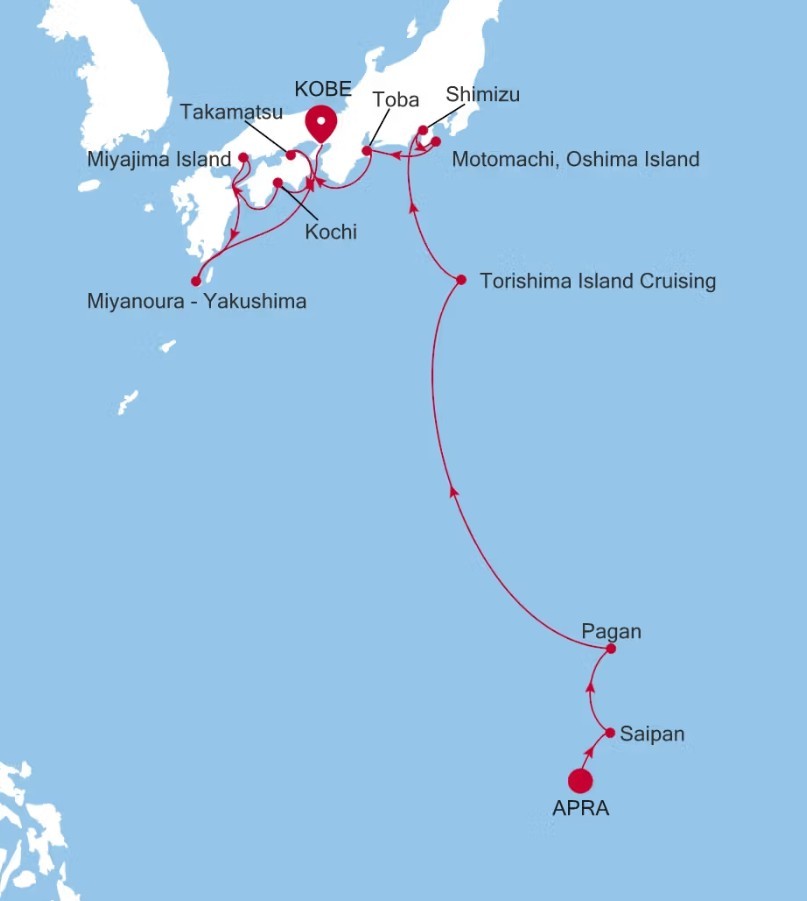
Delve into hidden Japan — a land of smoking volcanoes, seabird colonies, and ancient sanctuaries. Begin amid Micronesia’s calderas and WWII relics, then sail north to Japan’s diverse islands. Explore historic Kochi Castle, one of 12 original castles to survive fires and wars. Wander Yakushima’s ancient cedar forests and see Miyajima’s floating torii gate. Journey into the soul of these islands, discovering primeval forests, unique wildlife, serene gardens, and samurai traditions.

Trip Name
15 Days Japan & Micronesia Luxury Cruise - Apra to Kobe
Days
15
Overview
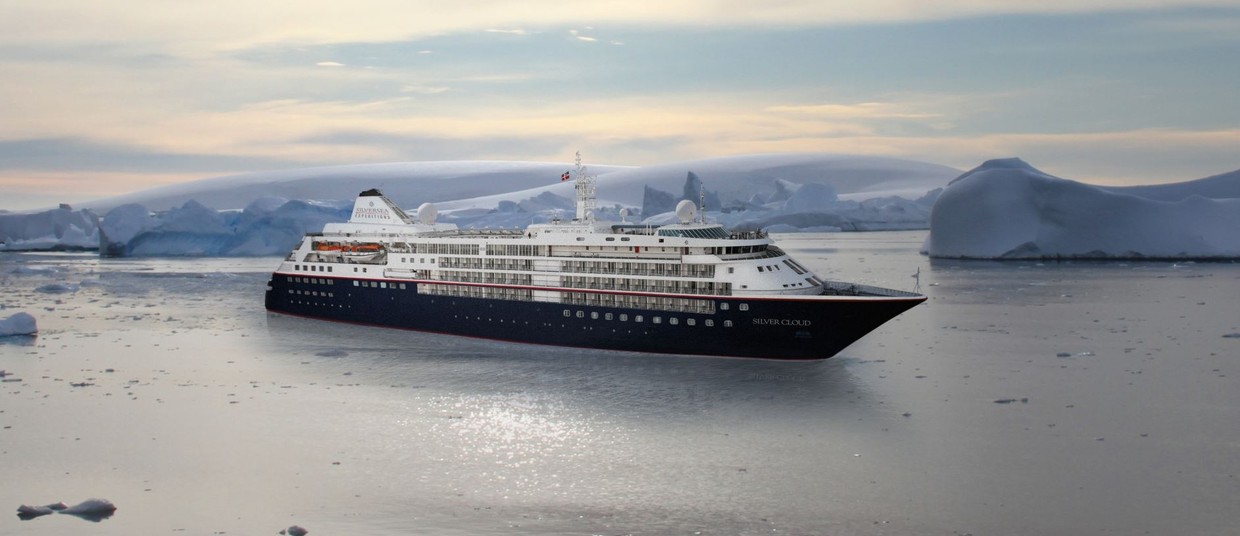
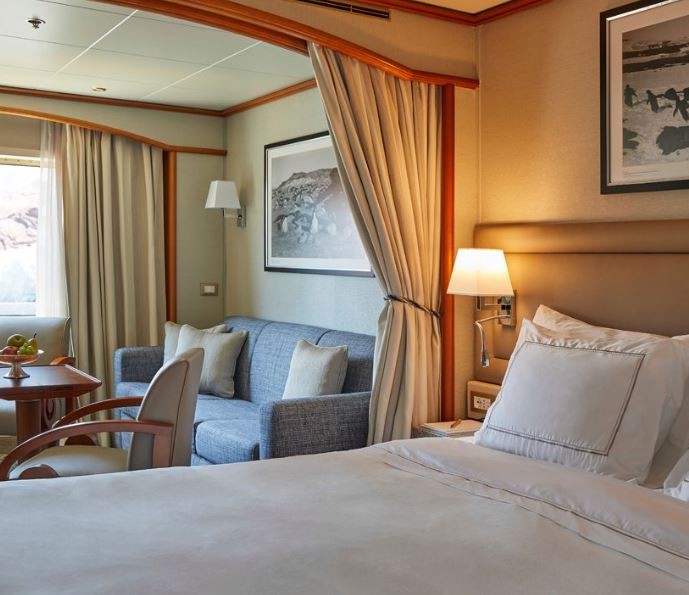
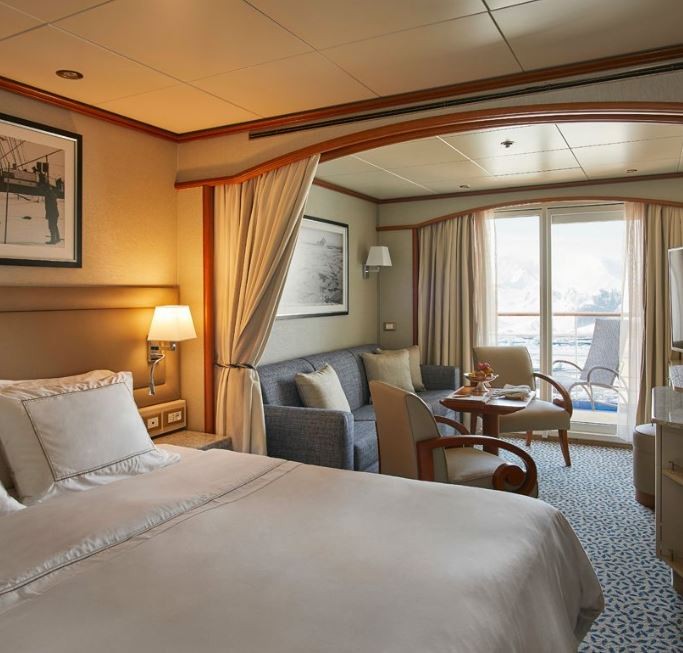
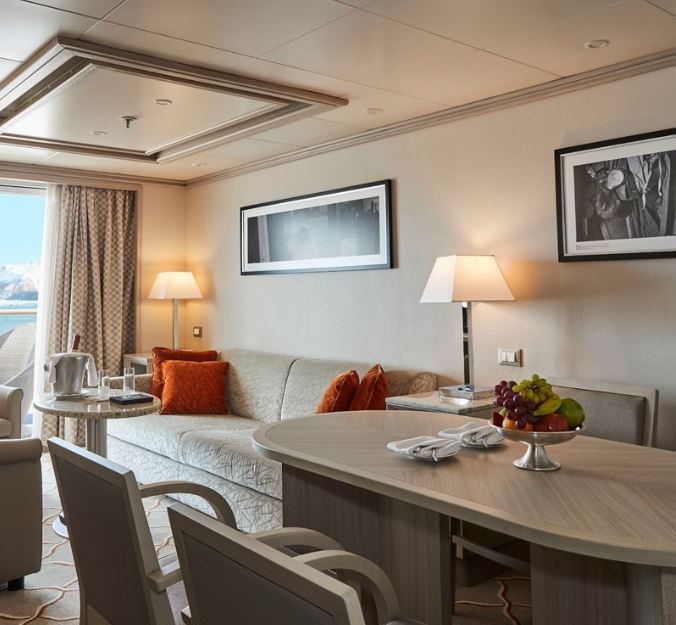
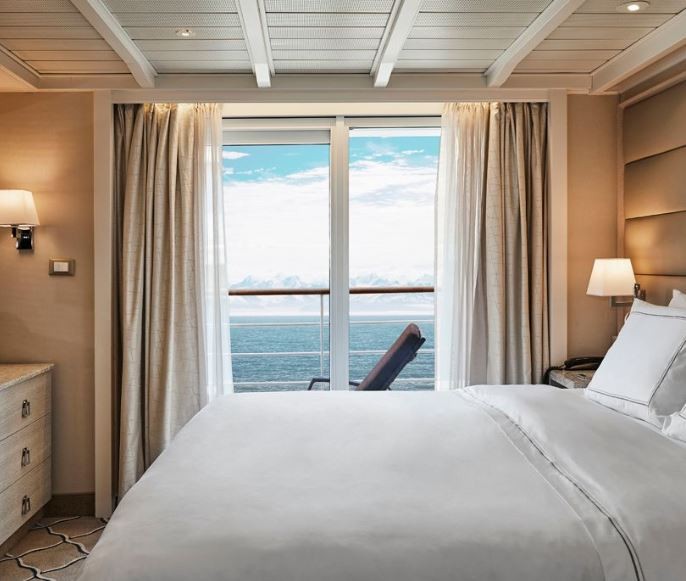
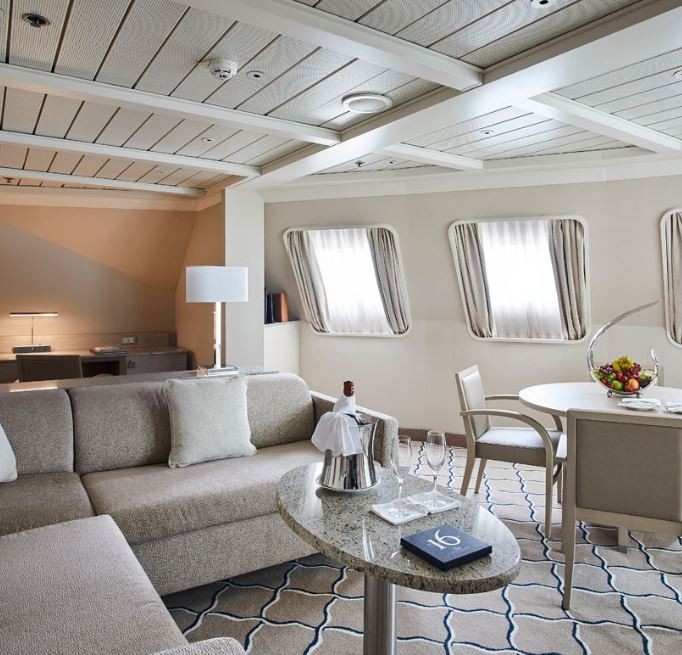
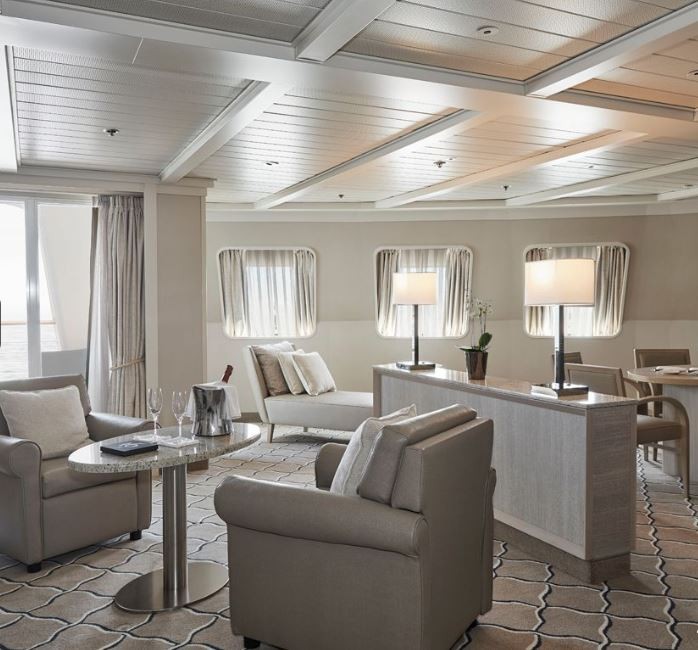
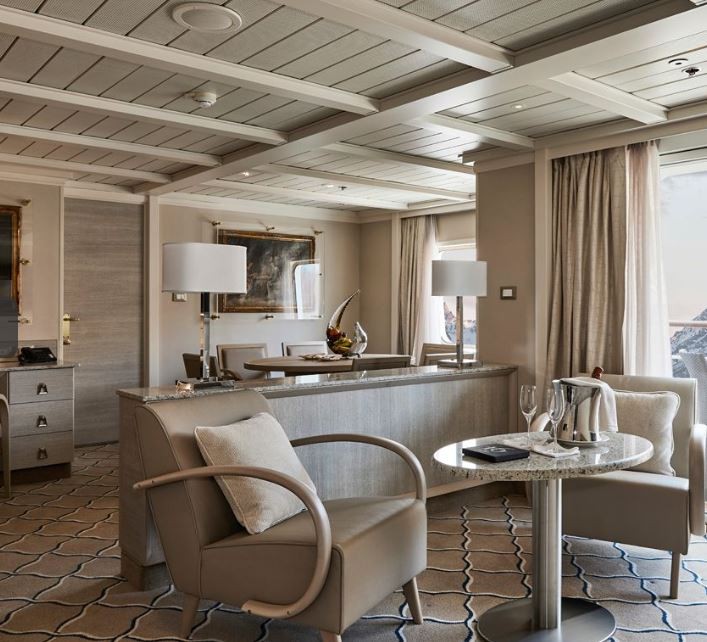
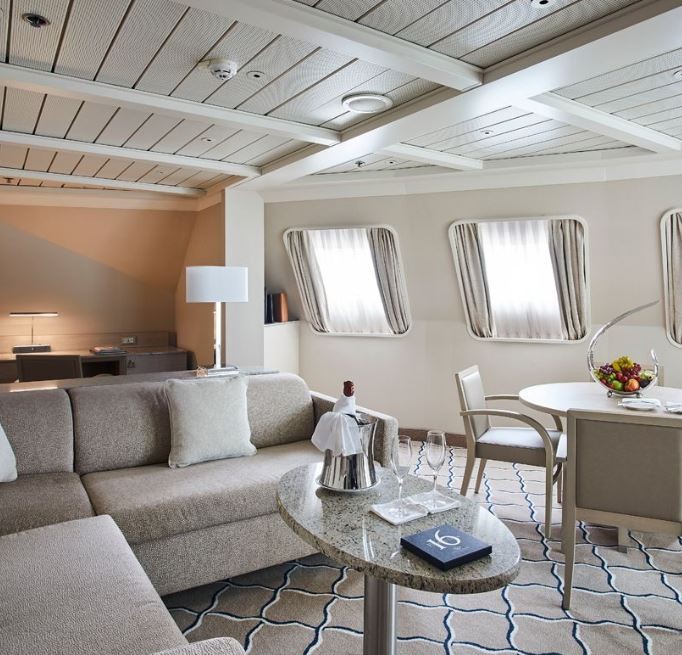
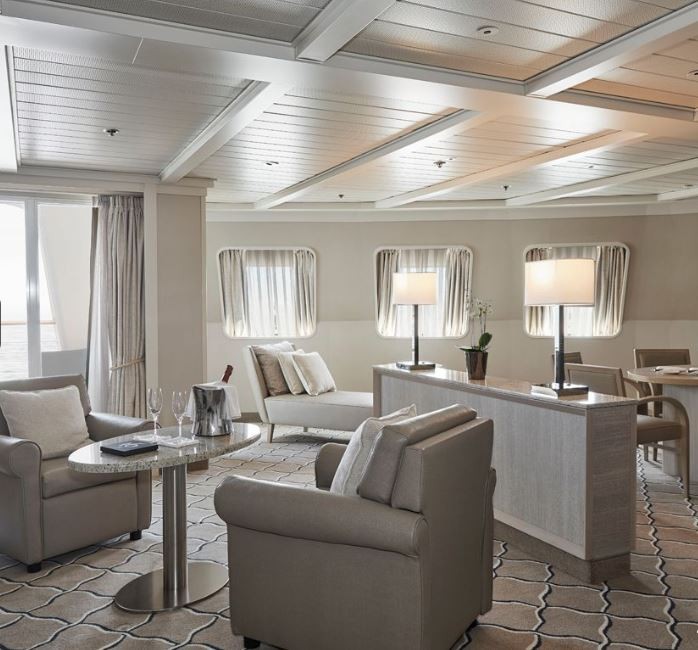
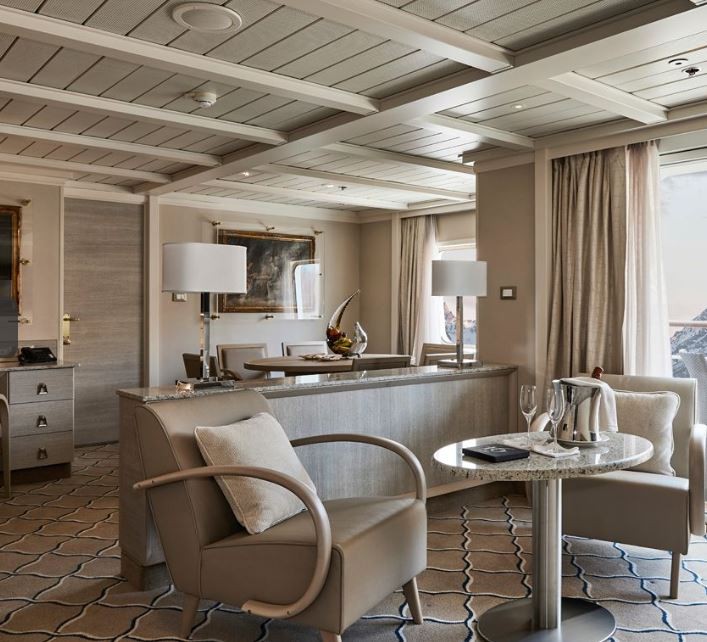
Vessel Type: Luxury Expedition Length: 157 m Passenger Capacity: 200/260 Built: 1994 Refurbished & Rebranded: 2017 Silver Cloud delivers one of the most personalised expedition experiences at sea, blending ultra-luxury with true adventure. As Silversea’s first crossover ship, she’s built for both comfort and exploration, offering large ocean-facing suites—80% with verandas—and an impressive 1:1 crew-to-guest ratio. With 20 Zodiacs and 10 kayaks, guests enjoy unparalleled access to remote locations, while expert-led excursions ensure meaningful encounters with nature and culture alike. From the icy reaches of Antarctica to the sun-kissed South Pacific, Silver Cloud brings the remarkable within easy reach. On board, refined living continues with four elegant dining venues, including French fine dining at La Dame and authentic Italian at La Terrazza. Relax in stylish public areas such as the Panorama Lounge or Connoisseur’s Corner, indulge in world-class spa treatments, or learn more about your destinations from passionate experts in the Explorer Lounge. Whether you’re cruising the Kimberley or the Chilean fjords, Silver Cloud offers a sophisticated base for discovering the far corners of the world in sublime comfort.
Itinerary


Day 1 - Day 1 - Apra, Guam
Guam is blessed with spectacular natural beauty and a rich cultural history. Apra Harbor is a deep-water port located on the western side of the island. The island is part of the Mariana Islands and near the Mariana Trench, which is the deepest part of the earth’s oceans, and the deepest location of the earth itself. The port serves both as a U.S. naval station and Guam’s main commercial port. The harbour, formed by the Orote Peninsula to the south and Cabras Island in the north, is considered to be one of the best natural ports in the Pacific. Guam’s unique culture, traditions and heritage have remained intact despite European imperialism, wars and changing foreign governments. Archaeological evidence suggests that the indigenous Chamorros of Indo-Malayan descent migrated from the Southeast Asian islands and settled throughout the Marianas archipelago. Being expert seamen and skilled craftsmen, they flourished and built unique houses and canoes suited to the region. As a matriarchal society and through the prestige of the women, much of the Chamorro culture and traditions were able to survive. Since the 16th century, a wave of foreigners have arrived on Guam’s shores, including Ferdinand Magellan in 1521 who remained on the island for three days to restock his small convoy. Americans, Asians, Europeans, Micronesians and other visitors have since left their imprint on the island’s pastimes and tastes.
Day 2 - Day 2 - Saipan, Northern Mariana Islands
The Northern Mariana Islands are a chain of 15 tropical islands in the western Pacific Ocean about 120 miles (193 km) north of Guam. At 12 miles in length and 5 miles wide (19 x 8 km) Saipan is the largest of the 15 islands and site of the CNMI capital. Settlement of Saipan and its neighbouring islands occurred circa 2000 BC by the Chamorro people who arrived via similar routes as their cousins in Guam. Ferdinand Magellan first sighted the Mariana Islands in March 1521 and claimed “Las Islas de las Velas Latinas” for Spain. In 1668 the islands’ name changed to the present one in honour of Mariana of Austria the widow of Spain’s king Philip IV. In 1986 President Ronald Reagan proclaimed the Northern Marianas a United States Commonwealth and its residents U.S. citizens. Today Saipan boasts a well-developed tourist industry which is concentrated around Garapan the capital. In addition to beaches and colourful marine life American World War II relics overgrown Japanese bunkers and mangrove swamps can be seen around the island. Garapan located on the western side of the island is home to major hotels and the American Memorial Park which honours American soldiers who died during the Battle of Saipan.
Day 3 - Day 3 - Pagan, Northern Mariana Islands
Among the 15 islands of the Northern Marianas, Pagan Island is one of Micronesia’s finest. Biologically diverse, volcanically active (the last major eruption was in 1981) and geologically one of the Marianas most interesting, Pagan Island promises stunning sites and scenery in equimeasure. Pagan is in fact two islands, joined by an isthmus. Archaeological finds put human habitation on the islands several centuries pre-AD, and it is believed that the island was settled in 1,500 BC by Micronesian people, who practiced agriculture and cultivated plants. Official discovery dates it to the 17th century by Jesuits, however, it is possible that European deserters from the first Magellan expedition set foot on the island a century earlier. Nearby Guam island has geological proof dating back to 30-million years. Current population is just seven. Numerous volcanic eruptions have left Pagan swathed in sloping sheets of lava and almost bereft of ecological richness. There is some light broadleaf forest (endemic to Micronesia), scrub grasslands and swamps. The Marianas are given ecoregional status on the basis of its endemic bird fauna. Seven species are native the archipelago, including the critically endangered Mariana crow and Rota bridled white-eye and the endangered Micronesian megapode.
Day 4 - Days 4 - 5 - Day at sea
Days at sea are the perfect opportunity to relax, unwind, and catch up with what you've been meaning to do. So whether that is going to the gym, visiting the spa, whale-watching, catching up on your reading, or simply topping up your tan, these blue sea days are the perfect balance to busy days spent exploring shoreside.
Day 5 - Day 6 - Torishima Island Cruising, Japan
Rising dramatically from the Philippine Sea, 300 miles south of Japan's main islands, the emerald-green form of Torishima — or "Bird Island" — is a striking and remote sight. This uninhabited volcanic island, roughly circular in shape, is actually the peak of a submerged volcano whose sheer cliffs and slopes plunge directly into the ocean. A protected sanctuary and significant breeding ground for the critically endangered short-tailed albatross, it is a designated Important Bird Area. Landing is prohibited to preserve the ecosystem — which also supports colonies of shearwaters and storm petrels — but from the ship you can observe the dramatic coastline and witness the birdlife from the water. These waters also attract bottlenose dolphins and migrating humpback whales.
Day 6 - Day 7 - Shimizu, Japan
Without doubt one of Japan's most beautiful ports, Shimizu offers a stunning gift on arrival — the iconic symmetrical cone of Mount Fuji rising majestically. The ultimate Japanese view, it’s a breathtaking vision of grace and volcanic power, with the snow-capped peak soaring larger than life. Beyond the drama of Fuji, Shimizu's scenic coastline and UNESCO World Heritage landscapes are layered with traditional beauty. Historic Shinto shrines stand amid pine groves, while green tea fields ripple across nearby hills. The port is also a gateway to some of Japan's finest sushi, prepared with dedicated artistry. Shimizu invites you to explore at your own pace, experiencing the soul of Japan through landscapes, cuisine, and tradition.
Day 7 - Day 8 - Motomachi, Oshima Island, Japan
a:0:{}
Day 8 - Day 9 - Toba, Japan
A true pearl of Japan, Toba is renowned for its jewels and the extraordinary women who harvest them. For over 2,000 years, the ama — female free-diving fisherwomen — have plunged into these clear waters to collect oysters and pearls. Located on the scenic Shima Peninsula in Mie Prefecture, Toba sits at the gateway to Ise-Shima National Park — a landscape of etched coastline, crystal-clear waters, and forest-clad islands. The region is also home to the revered Ise Grand Shrine, one of Japan's most sacred sites, nestled among ancient cedars. Take in panoramic views of the bay from hillside lookouts, wander traditional fishing villages, and hike through coastal beauty. Toba’s vast aquarium is one of the few places in the world where dugong can be seen, alongside more than 1,000 other species.
Day 9 - Day 10 - Takamatsu, Japan
Takamatsu, the elegant capital of Kagawa Prefecture, sits on the shores of Japan's tranquil Seto Inland Sea — and is a gateway to cultural treasures and island-studded waters. The city is home to the celebrated Ritsurin Garden, one of Japan's most exquisite landscaped gardens. Wander between calm ponds filled with koi, as seasonal blooms add bursts of color. Shaded pathways lead to traditional teahouses, where you can pause for quiet tea rituals, gazing over still waters, pines, and stepping stones. Beyond the garden, Takamatsu offers the atmospheric ruins of a historic castle, contemporary art museums, and sweeping views across the Seto Inland Sea toward its scattered islands. The city is also known for its exceptional seafood — pulled fresh from the surrounding waters.
Day 10 - Day 11 - Kochi, Japan
Kochi Castle, with its elegant black and white tiered roofs, is one of only twelve of the original castles remaining in Japan. Step inside to explore authentic feudal architecture and admire sweeping views over the city and mountains. The surrounding landscape is dotted with temples and forested hillsides, where the historic Shikoku Pilgrimage route winds. Beyond the castle, the Makino Botanical Garden guides visitors through pathways and greenhouses of diverse flora. The Shimanto River — Shikoku’s longest — draws outdoor enthusiasts with peaceful hiking trails and a serene backdrop for reflection. Facing the vast Pacific on Shikoku's southern coast, Kochi is celebrated for its katsuo no tataki — lightly seared skipjack tuna — and thriving sake-brewing tradition.
Day 11 - Day 12 - Miyajima Island, Japan
a:0:{}
Day 12 - Day 13 - Miyanoura - Yakushima, Japan
a:0:{}
Day 13 - Day 14 - Day at sea
Days at sea are the perfect opportunity to relax, unwind, and catch up with what you've been meaning to do. So whether that is going to the gym, visiting the spa, whale-watching, catching up on your reading, or simply topping up your tan, these blue sea days are the perfect balance to busy days spent exploring shoreside.
Day 14 - Day 15 - Kobe, Japan
The Japanese city of Kobe needs no introduction. The name is synonymous with its homegrown superstar. We are not talking of its stunning shrines, cherry trees laden with blossom during sakura, or effervescent city, buzzing with life 24/7. We are of course talking of a much more grass roots hero - its eponymous beef. The delicacy might have put the city on the map, but there is far more to Kobe than its meat. Naturally, Kobe wears its cuisine as a badge of honor. Its port history has given it a gastronomy that is quite different from its neighbors. Seafood and sushi is naturally some of the freshest and most diverse you can find, but Kobe's multi-cultural nature (the city is home to 98 different nationalities) means that it has one of the most diverse gastronomic cultures in Japan. Bread and bakeries are also an (unexpected) delicacy. Additionally, Sake is taken very seriously - Kobe even has its own museum dedicated to the national spirit. Historically, Kobe has always been a key city for Japan. Renamed in 1889, it was known as Owada no Tomari during the Nara Period (710-784 C.E.). Kobe's location on the calm Inland Sea between Osaka and Kyoto has proven to be pivotal in Japanese history; it is mentioned in famous literary works such as The Tale of Genji (from approximately the late 9th century) and the Taiheiki (14th century). The city and region are home to many attractions including the Himeji Castle (widely considered to be Japan's most beautiful feudal castle), a short ride away.
Day 15 - Please note:
Itineraries are subject to change. 

Trip Dates

StartEndPrice FromRoom Type
02-05-202716-05-2027AUD $26,200Vista
02-05-202716-05-2027AUD $32,800Veranda
02-05-202716-05-2027AUD $81,200Grand 2 Bedroom
02-05-202716-05-2027AUD $36,500Midship Veranda
02-05-202716-05-2027AUD $40,200Medallion
02-05-202716-05-2027AUD $41,500Silver
02-05-202716-05-2027AUD $45,800Royal 1 Bedroom
02-05-202716-05-2027AUD $51,700Grand 1 Bedroom
02-05-202716-05-2027AUD $57,400Owner 1 Bedroom
02-05-202716-05-2027AUD $75,300Royal 2 Bedroom
02-05-202716-05-2027AUD $81,000Owner 2 Bedroom

Inclusions

    • Discover Japan’s wild and remote side — from Yakushima’s ancient cedar forests to volcanic islands teeming with seabirds.
    • Visit cultural landmarks like Kochi Castle and the iconic floating torii gate of Miyajima, symbols of Japan’s rich heritage.
    • Trace history from Micronesia’s WWII relics to Japan’s timeless temples, serene gardens, and samurai traditions.

Map