fbpx

11 Days West Africa Luxury Cruise – Tema to Dakar

11 Days West Africa Luxury Cruise – Tema to Dakar

$0TEESS 0 0
Call for Price

Description

Sail to the heart of one of Africa’s least visited and most biodiverse sanctuaries. Journey along West Africa’s coast — through Ghana’s energetic ports, Côte d’Ivoire, Liberia, and Sierra Leone — to the Bijagos Archipelago’s untouched beaches and mangrove forests. Flamingos and pelicans wade in shallows and mudflats, while crocodiles and hippos lurk in the waterways of its 88 islands. Conclude in Dakar, alive with mbalax rhythms and bustling markets.

Trip Name
11 Days West Africa Luxury Cruise - Tema to Dakar
Days
11
Overview
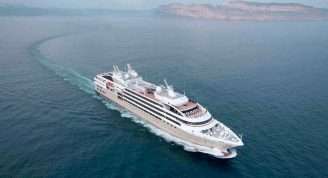
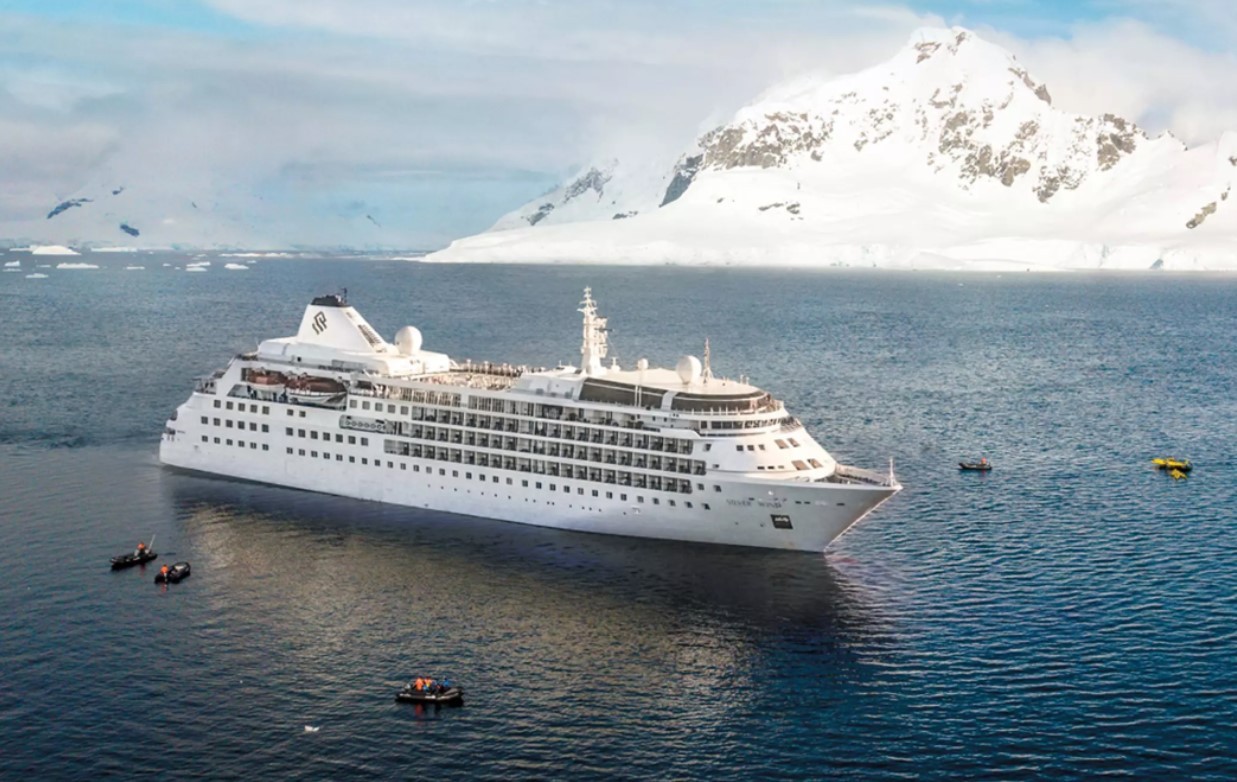
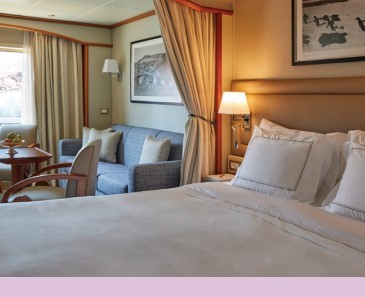
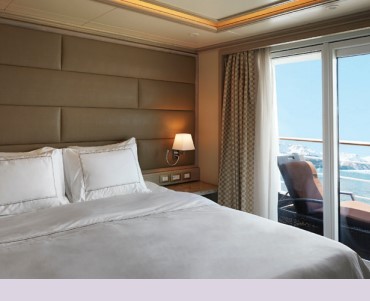
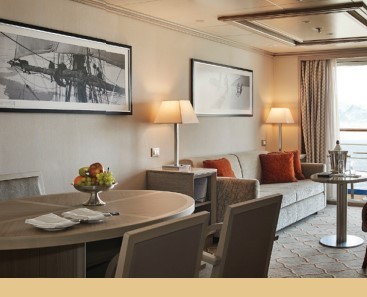
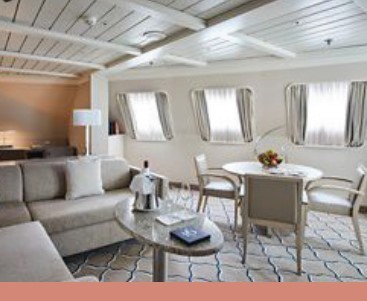
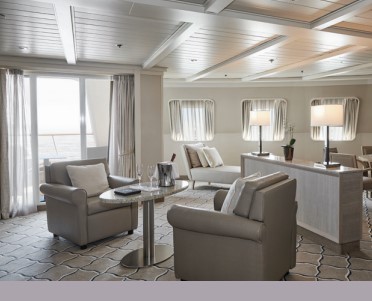
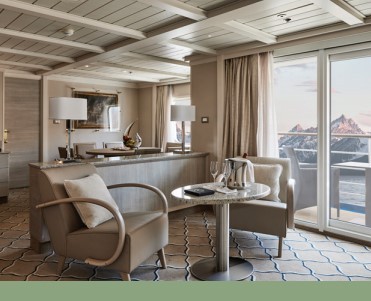
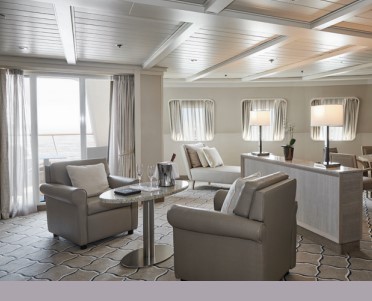
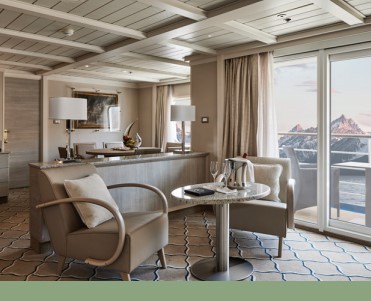
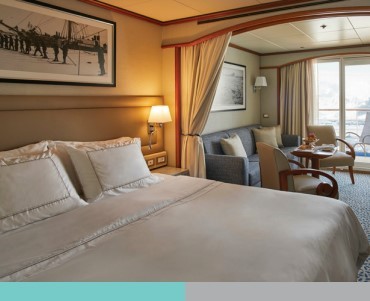
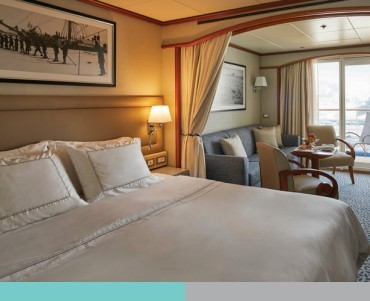
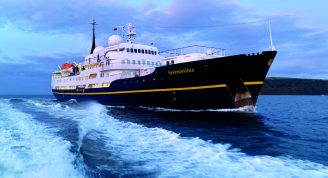
Vessel Type: Small Luxury Cruise Ship Length: 156.7 metres Passenger Capacity: 274 Built: 1995 / Refurbished: 2021 Silver Wind is a refined and versatile expedition cruise ship, combining classic Silversea elegance with cutting-edge expedition capability. Following a major refurbishment in 2018 and a further upgrade in 2021, Silver Wind now boasts a strengthened ice-class hull, making her equally at home in the Polar Regions and sun-drenched tropical ports. With a guest capacity of just 274 and an exceptional crew-to-guest ratio, she offers personalised, attentive service in a luxuriously relaxed setting. Her 24 Zodiac® boats provide a superb platform for immersive exploration, whether spotting wildlife in Antarctica or cruising remote coastlines in comfort. Onboard, guests enjoy a wealth of elegant public spaces and all-suite accommodation, ranging from the spacious Owner’s Suite to the cosy yet stylish Vista Suites. Culinary experiences abound, from authentic Italian cuisine at La Terrazza to open-air dining at The Grill and fine French fare at La Dame. Silver Wind also features multiple lounges, a pool deck, a full-service spa and salon, a fitness centre, and the inviting Observation Library. With its boutique luxury atmosphere, wide-ranging destinations, and upgraded expedition capabilities, Silver Wind offers one of the most adaptable and indulgent cruise experiences at sea.
Itinerary


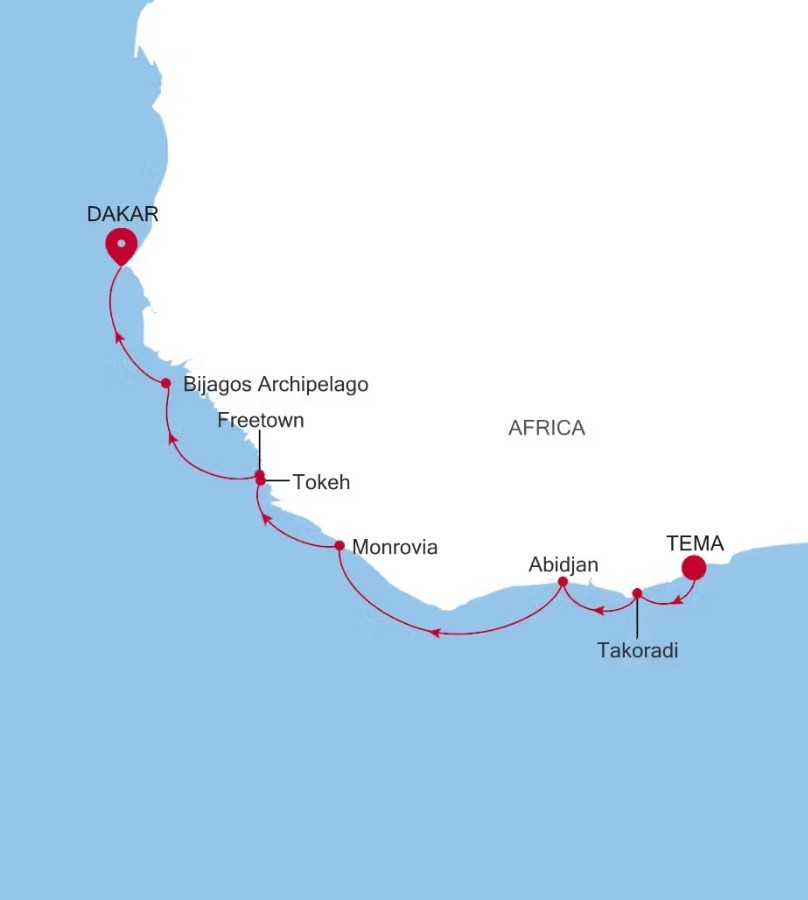
Day 1 - Day 1 - Tema (Accra)
From a modest fishing port to the biggest in Ghana, Tema's industrial activity has all but tarnished the charming, postcard scenery of the region. The neighboring, white-sanded beaches remain immaculate, still serving as a testimony of the rich variety of birds that can be found in the area. In the way Mother Nature intended it, gannets, boobies, and kingfishers amongst other species fish in and around the cerulean waters of the coast. A light breeze tickles the inflamed, iron-filled soil of the mainland on which the railway linking Tema to Accra lures hundreds of visitors each day. On board one of the carriages to Accra, distinctively noticeable by their painted coats of red, yellow, and green that echo Ghana's national flag, a peek out of the window will offer scenic views of the harbor and coast, as well as the fields that separate Tema from the capital.
Day 2 - Day 2 - Takoradi
Ghana's fourth-largest city plays serene beaches against a bustling commercial center. People from around the world visit the shore, both for its beauty and to enjoy the fresh seafood served right on the sands. Frantic city life awaits a short distance inland, where an economy fueled by Ghana's oil industry is most apparent in the maze of vendors at Market Circle. Takoradi is also the gateway to the UNESCO World Heritage sites of Elmina and Cape Coast Castle.
Day 3 - Day 3 - Abidjan
Located on Africa's Ivory Coast, Abidjan lies amid canals and waterways. It's a modern African city, affectionately known as Babi by locals, or, more optimistically, Paris of West Africa. This last moniker could be due to two things: one, Abidjan is both the economic and cultural capital of West Africa, and two: it truly is a city of lights. It is also the most populous French-speaking country in the continent, so welcome, bienvenue to Abidjan! Looking at Abidjan's towering skyscrapers, you would be surprised to think that the sprawling city was originally a small fishing village. The French established a protectorate in Abidjan in 1842 and eventually colonized the region in 1893. Under French rule Abidjan quickly became a major port terminus, exporting mainly timber and coffee to Europe. Cote d'Ivoire was granted independence in 1960, but Abidjan remained the country's capital until 1983. Today it is considered one of the foremost African cities in terms of fashion, culture, and standard of living. Like much of West Africa, Abidjan has cachet and soul in buckets. The civil war of 2007-2007 may have left some pock-marked remnants, but that should and must be easily overlooked. The city is bubbling with energy, enjoying a diversity of cultures from the aforementioned French connection to the steady stream of travelers that come to Abidjan looking for a destination with a bit of authenticity. If traveling outside of the city, the UNESCO World Heritage Site of Grand Bassam is less than an hour away.
Day 4 - Day 4 - Day at sea
Days at sea are the perfect opportunity to relax, unwind, and catch up with what you've been meaning to do. So whether that is going to the gym, visiting the spa, whale-watching, catching up on your reading, or simply topping up your tan, these blue sea days are the perfect balance to busy days spent exploring shoreside.
Day 5 - Day 5 - Monrovia
Wedged in between the Atlantic Ocean and the Mesurado River, Libera’s capital Monrovia has a lot to recommend it. Despite its reputation as being risky, if you can look beyond the scars two civil wars have left on the city, you’ll soon find that Monrovia is bursting with African excellence. Like many African nations, Monrovia has had its fair share of turmoil. Founded in 1824 by the freed slaves of the USA and Caribbean, Monrovia take its name from James Monroe, then President of America, and ardent supporter of the freedom movement. Thousands flocked to its shores with the promise of finding a better life in the early 20th century and by 1937 the population had reached 10,000 (for a police force of just 30). Oppression and civic unrest was bound to and did follow. A military coup in 1980 overthrew the government, which was later followed by 14 near-consecutive years of civil war. Certainly, the city is a bit rough around the edges. However, Monrovians have a proverb, that “To the patient man will come all the riches of the world.” And, as Monrovians have been more than patient, riches are most definitely beginning to arrive. African history has found its rightful place in the Liberian National Museum, while the rolling surf and glorious beaches have begun attracting holidaymakers in search of an authentic African experience. The city’s transformation is definitely a work in progress, but watch this space, and you might be one of the lucky ones to say that you were there in the beginning.
Day 6 - Day 6 - Tokeh
Tokeh, or Tokeh Town as it is also known, is a coastal resort town that relies mainly on fishing and tourism. Only twenty miles outside Freetown, the capital of Sierra Leone, this town is nestled in an area of beautiful scenery, surrounded by mountains, forests, and beaches. The Tokeh Beach is considered one of the largest and most attractive beaches in West Africa. This town was first founded by a Sherbo fisherman who settled along the river bank. Much later, in 1968, a prominent barrister from Sierra Leone purchased the land, and in partnership with a French company, developed the village. Today, it is a thriving town with a resort, a church, mosque, community center, school, and about 6,000 residents.
Day 7 - Day 7 - Freetown
It may still be a bit of a rough diamond, but Sierra Leone's capital is a true traveler's gem. Lush rainforest and palm-fringed beaches have been sadly overshadowed by Freetown's turmoil, which has left its pockmarked legacy on the city. Happily, this reputation is slowly receding. Expect to be greeted by warm welcomes and wide smiles. The city is slowly rebuilding after spats of fierce fighting in the 1990s. Today Freetown is a bustling metropolis, centered around the busy port. While there may be an undeniable element of poverty to the city, this is more than out balanced by the unfailingly optimistic vibrancy and intriguing history that Freetown offers. This joie de vivre makes Freetown one of West Africa's most dynamic cities; think bustling streets and gentle singsong sounds of local dialect Krio. British philanthropists founded the "Province of Freedom", which later became Freetown in 1787. This was a British crown colony and the principal base for the suppression of the slave trade. By 1792, over 1,000 freed slaves from Nova Scotia had joined the original settlers, called the Maroons. Another group of slaves rebelled in Jamaica and travelled to Freetown in 1800. Unsurprisingly, colonial reign has left its mark on the architecture of the city. British involvement is best viewed at the National Museum and in the superbly preserved Victorian railway. The uplands around Freetown are verdant and home to the Western Area Forest Reserve (accepted by UNESCO as a tentative World Heritage Site).
Day 8 - Days 8 - 10 - Bijagos Archipelago
Sacred, serene, and secluded, the Bijagos Archipelago is one of the most intriguing island collections the world can offer. Almost falling off the map, the string of 88 lands forms an archipelago of tropical beauty, scattered from the west of Guinea Bissau. The sprawling archipelago's challenging location cocooned the islanders from much of the colonial interference for many years. So local traditions - of ancient ritual and colorful initiation ceremonies - have remained strong and safeguarded here. Thatch-roofed houses host welcoming locals, in villages where diminutive pygmy cows wander freely. Anthropologists note the islands for matriarchal elements in society, and priestesses play a significant role here, sermonizing the islander’s bonds with the natural world. Many of the islands are uninhabited, instead declared sacred and reserved for spirits. This has also helped form a protected paradise for some of Africa's most exotic wildlife. UNESCO declared the archipelago a Biosphere Reserve in 1996, and its sprawling mangrove forests, undisturbed savannahs, and muddy flats attract long-legged migrating birds, as well as beady-eyed crocodiles. West Africa's largest saltwater hippo colony lurks in the waters of Orango National Park - see them smashing their way in and out of the water. Endangered sea turtles also faithfully return to the tranquil beaches each year, digging out over 25,000 nests. Extraordinary and authentic - an expedition to this enchanted, off-the-grid archipelago is one to cherish.
Day 9 - Day 11 - Dakar
Capital of Senegal, and a major gateway to Western Africa, the former colonial trading post of Dakar stamps the Cap-Vert peninsular with glorious surf-fringed beaches. Enjoy the thrum of markets - where colorful textiles are exchanged - and wander streets where jazz, sambar, and mbalax spill from every ajar door. Offering tropical island-style beaches in an incongruous urban setting, Dakar is a wild and urgent experience for the senses. Watch on as surfers revel in consistent rollers on this, the most westerly peninsula of continental Africa. Scuba divers can explore worlds below the surface in Dakar's diving areas, or you can head to sandy beaches like Plage des Mamelles' cove, which provide endless options for cooling off. Looking for a little more activity, loosen up and play on golf courses that unroll along the sun-kissed Senegalese coastline, or visit startling natural sites like the vivid pink water of the salty pink Lake Retba. Cultural relevance abounds in Dakar - those wanting to delve a little deeper into the dark history of Senegal should visit the House of Slaves on the UNESCO World Heritage Site listed Goree Island, or duck into the Theodore Monod Museum to pour over an incredible collection of masks, artifacts, and treasures. Sandaga Market is a full-on experience of choreographed chaos, sound, and flavors. Tear into fish fresh off the boat, and don't be afraid to get your hands a little greasy while handling Dibi - the national street food - soft mutton, simmered with onions and zesty orange spice.
Day 10 - Please note:
Itineraries are subject to change. 

Trip Dates

StartEndPrice FromRoom Type
23-04-202603-05-2026Array Array13,500Vista
23-04-202603-05-2026Array Array31,200Medallion
23-04-202603-05-2026Array Array0Veranda
23-04-202603-05-2026Array Array35,900Silver
23-04-202603-05-2026Array Array37,300Royal 1 Bedroom
23-04-202603-05-2026Array Array43,300Grand 1 Bedroom
23-04-202603-05-2026Array Array51,700Owner 1 Bedroom
23-04-202603-05-2026Array Array51,700Royal 2 Bedroom
23-04-202603-05-2026Array Array57,700Grand 2 Bedroom
23-04-202603-05-2026Array Array63,900Owner 2 Bedroom
23-04-202603-05-2026Array Array0Midship Veranda

Inclusions

    • Rare access to West Africa’s coastal capitals paired with remote island wilderness in the Bijagós, one of the continent’s most protected ecosystems.
    • Strong cultural arc from Ghana’s lively ports through Côte d’Ivoire and Liberia to Sierra Leone’s beaches and colonial history.
    • Multi-day immersion in mangroves, bird sanctuaries, and waterways where hippos, crocodiles, and migratory species shape an untouched ecological refuge.

Map