fbpx

10 Days Aldabra Nature Cruise

10 Days Aldabra Nature Cruise

AWCSC
Call for Price

Description

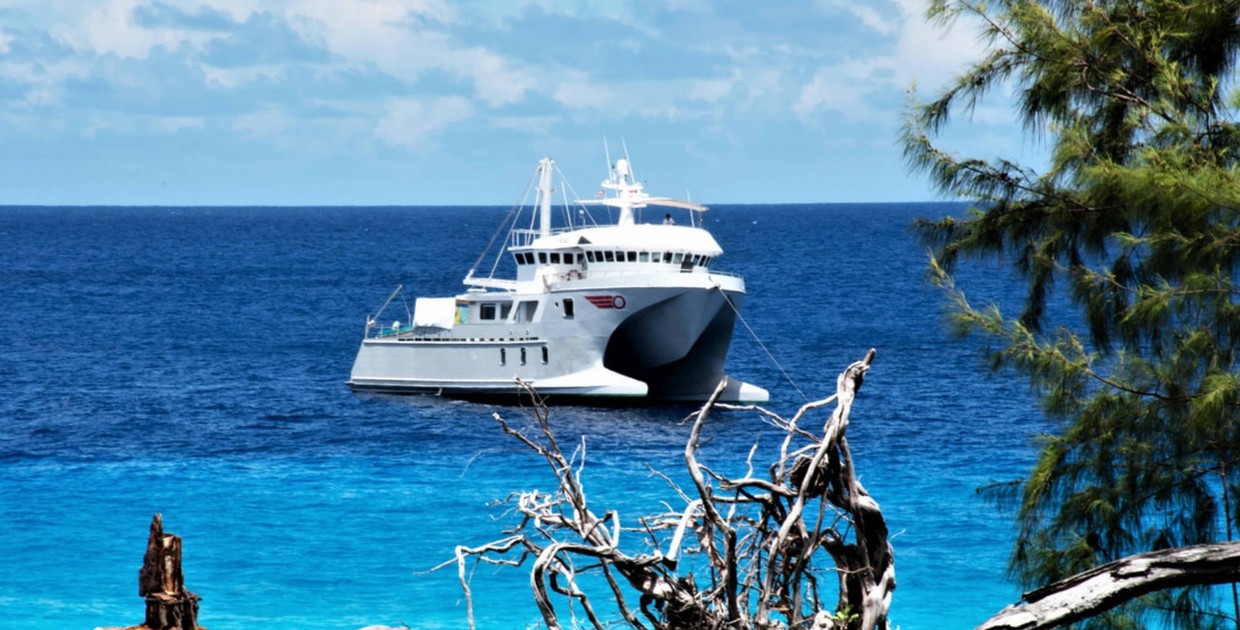
Sail to the most remote and biologically extraordinary atolls on Earth. Our nature-focused expeditions aboard the 30-metre MY Basilisk take you deep into the Amirantes and then on to the legendary Aldabra Group, a UNESCO World Heritage Site and one of the planet’s most untouched ecosystems.

Trip Name
10 Days Aldabra Nature Cruise
Days
10
Overview
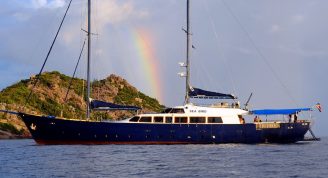
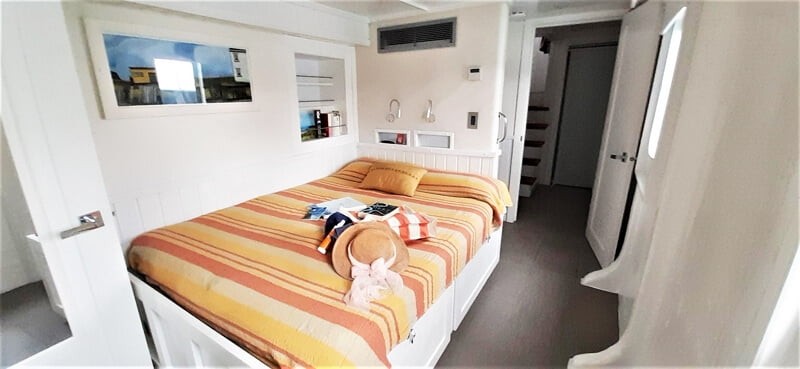
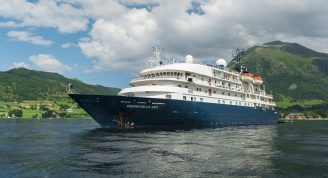
Vessel Type:  Length: 26.79m / 88’ Passenger Capacity: 6 Built / Refurbished: 2004 / 2016 / 2020 Basilisk is a compact expedition yacht built on the bones of a North Atlantic trawler, giving her far greater strength and range than typical small-vessel charters. The steel hull, long-distance capability and modernised systems support true off-grid travel, while the refit adds a contemporary interior, improved decks and upgraded research and navigation equipment. Outdoor spaces are designed for long hours on the water: a shaded aft deck for dining, a fly deck for wildlife viewing and ten solar panels reducing generator use. Inside, guests share a bright salon, full air-conditioning and a relaxed, functional layout shaped around exploration rather than luxury display. Accommodation suits six guests across three en-suite cabins with high ceilings and strong natural light. A professional cook prepares international and regional dishes served either indoors or outside. Diving support is unusually robust for a vessel this size—compressors, steel tanks, deck showers and two dedicated tenders, including a long-range SAFEBoat. The small crew covers navigation, engineering, housekeeping and cuisine, with specialists added when required. Environmental systems minimise impact through treated wastewater, solar power and biodegradable products.
Itinerary


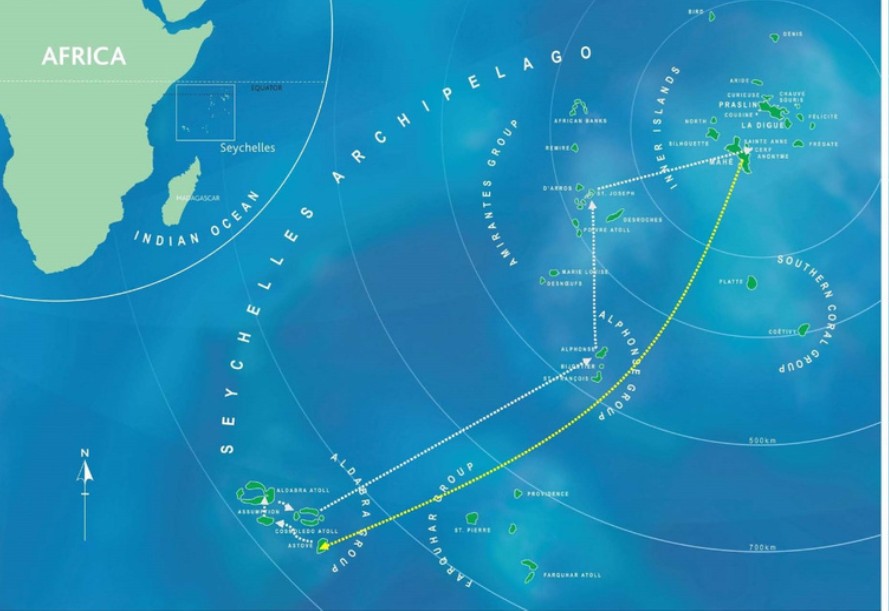
Day 1 - Day 1. Mahe - Fly to Astove
From Mahe, you’ll fly to Astove island in the Aldabra group, where you’ll embark upon MY Basilisk to begin your expedition. After a welcome and cruise briefing, we will explore a little of Astove Island itself whilst settling into your accommodation.
Day 2 - Day 2. Assumption Island
Assumption Island is home to a stunning arc of coral sand and vibrant offshore waters, where you can explore colourful reefs teeming with snappers, butterflyfish, and angelfish. Though its seabird colonies were impacted by early 20th-century guano mining, the island’s vegetation is now gradually recovering. Today, construction on a new hotel development is taking place on the island, bringing with it funds for future conservation programs.
Day 3 - Days 3-4. Aldabra Atoll
Often called the Crown Jewel of Seychelles, Aldabra is the world’s largest raised coral atoll and a UNESCO World Heritage Site. Covering 150 sq km, it has no permanent population aside from the research team on Picard Island.Home to around 100,000 Giant Tortoises, Aldabra also shelters rare plants, birds, and one of the world’s key nesting grounds for endangered Green Turtles.Bird highlights include the flightless Aldabra Rail, Frigatebirds, and several endemics like the Aldabra Drongo and Fody.We visit the research station and old settlement, cruise the West and Main Channels, and snorkel at sites like Passe Dubois and Anse Var. Snorkelling through the mangrove forests offers a unique opportunity to visit the home to a plethora of marine life.Recent Dugong sightings hint at a possible return of this elusive marine mammal to Seychelles waters.
Day 4 - Days 5-6. Cosmoledo
A visit to Cosmoledo rivals that of Aldabra, yet in many ways, it surpasses it in sheer remoteness and isolation. Wild, untouched, and uninhabited, Cosmoledo remains one of the least visited corners of the Seychelles—and the world.Home to bird species not found on Aldabra, including vast colonies with Seychelles’ largest populations of Red-footed Boobies, Masked Boobies, and Sooty Terns. A unique race of Madagascar White-eye is found only here. It is also the last breeding site in Seychelles for the Brown Booby, extinct elsewhere in the islands.Explore rich marine life and coral reefs that have survived more intact than almost anywhere else in the western Indian Ocean. The shallow lagoon near the main island is full of turtles, including hatchlings.We expect to arrive in the afternoon, with a visit to the abandoned settlement and dive off West Island, where turtles are especially plentiful. We expect to arrive in the afternoon, with a visit to the abandoned settlement and snorkel off West Island (Menai), where turtles are especially plentiful.
Day 5 - Day 7. At sea
As we make our crossing from the Aldabra Group toward Alphonse, we’llbe on the lookout for marine mammals, including various species of whales and dolphins. In the evening, join us for a fascinating lecture on the natural history of the Seychelles.
Day 6 - Day 8. Alphonse
The Alphonse Group comprises two neighbouring atolls—Alphonse and St.François, the latter home to the islands of St. François and Bijoutier. Among the most stunning in Seychelles, Alphonse is arrowhead-shaped, with white surf trailing behind like a wake. Once a thriving coconut plantation producing 100,000coconuts a month, the island is now peacefully abandoned, reclaimed by nature.
Day 7 - Day 9. St Joseph Channel & D'Arros Island
St Joseph Atoll and D’Arros Island, managed by the Save Our Seas Foundation, include the St Joseph Channel and lagoon—a hotspot for manta ray aggregations and over 500 fish species, the islands offer incredible natural beauty. St Joseph is the Amirantes Bank’s most vital nursery and a crucial breeding ground for sharks, rays, and turtles.
Day 8 - Day 10. Mahe
Disembark in Mahe at approximately 15.00.
Day 9 - Please note:
Itineraries are subject to change. 

Trip Dates

StartEndPrice FromRoom Type

Inclusions

    • Sail to the farthest reaches of the Seychelles, including the Aldabra Group which is only accessible only by liveaboard and research vessels
    • Guided exploration of UNESCO-protected Aldabra Atoll, home to more than 100,000 Giant Tortoises, rare birds, and Green Turtle nesting beaches
    • Snorkelling and diving at some of the richest coral reefs in the western Indian Ocean
    • Encounters with manta rays, turtles, sharks, dolphins, and seasonal whale sightings
    • Visits to entirely uninhabited islands, abandoned settlements, and former coconut plantations now reclaimed by nature
    • Expert-led lectures on marine life, island ecology, and natural history
    • Remote island landings, lagoon explorations, and reef drop-offs untouched by tourism

Map