fbpx

East Asia Expedition: From the Wild North to Hiroshima’s Heritage – Cruise in Japan

East Asia Expedition: From the Wild North to Hiroshima’s Heritage – Cruise in Japan

From AUD $16,250

Description

This voyage traces Japan’s northern and western shores before crossing to South Korea, combining maritime passages with deep cultural encounters. Departing from Otaru, the route explores Hokkaido’s coastal cities and seafood heritage, then sails south to historic trading ports such as Sakata and the gold-mining landscapes of Sado Island. Along Honshu’s Sea of Japan coast, traditional crafts in Wajima and wartime history in Maizuru provide cultural depth, while the passage through the Kanmon Strait marks a dramatic maritime highlight. The journey concludes with time in Busan and reflective visits to Hiroshima, balancing vibrant contemporary life with sites dedicated to remembrance and peace.

Trip Name
East Asia Expedition: From the Wild North to Hiroshima's Heritage - Cruise in Japan
Days
11
Overview
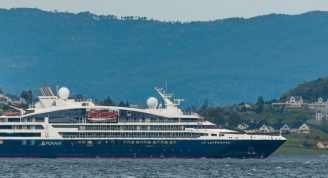
Vessel Type: Expedition Ship Length: 115 meters Passenger Capacity: 158 Built: 2020-2021 The SH Minerva is a boutique expedition ship purpose-built for exploring far-flung destinations and remote polar regions in comfort and style. Crafted at Finland’s esteemed Helsinki Shipyard, she features a Polar Class PC5 ice-strengthened hull and advanced stabilisers, ensuring smooth sailing even in challenging waters. With just 158 guests served by 122 crew across nine decks, the atmosphere on board is intimate and welcoming. Elegant Scandinavian-inspired interiors, panoramic observation spaces, and a range of facilities – from the stargazing deck and library to the spa, heated outdoor pool, and fine dining venues – make every moment at sea a pleasure. Accommodation ranges from well-appointed oceanview staterooms to spacious premium suites, each offering thoughtful touches such as a flame-effect fireplace, Illy espresso machine, luxury toiletries, and complimentary binoculars for wildlife spotting. Many feature private balconies for uninterrupted views of the passing scenery. Attentive crew provide a warm, personalised service, ensuring that every guest feels at home while enjoying a journey that blends adventure with refined comfort. Whether navigating icy channels or gliding into sunlit harbours, the SH Minerva offers an unforgettable cruising experience.

Itinerary


Day 1 - Day 1 Otaru (Japan)
An important port on Hokkaido, Japan’s northernmost island, Otaru retains original architecture. Restored warehouses along its canal, lined with Victorian street lamps, house restaurants and boutiques selling sake, music boxes and renowned Otaru glass. Rooted in the herring industry, the town's trading history is evident from Hokkaido's first railway line terminal to the Herring Mansion on the outskirts, once owned by wealthy herring fishermen.
Day 2 - Day 2 Hakodate (Japan)
The city of Hakodate in Hokkaido is Japan's northernmost island and is well-known for its seafood, for sale daily at the morning market. Mount Hakodate, reached by gondola. watches over the bustling city. While the area is rich in hot springs, it is best known for the famous snow monkeys who bathe in the hot springs of Yunokawa Onsen at the Hakodate City Tropical Botanical Garden.
Day 3 - Day 3 Sakata (Japan)
a:0:{}
Day 4 - Day 4 Ogi, Sado Island (Japan)
Sado, Japan's sixth largest island, has a quaint port at Ogi known for tarai-bune, traditional wooden boats. The island is also famous for its world-renowned taiko drummers, continuing a rich cultural tradition. Once a place of exile for artists and academics, Sado now draws visitors to its rugged coasts, hidden beaches and lush terrain for outdoor activities.
Day 5 - Day 5 Wajima (Japan)
Wajima, a port town on the northern Noto Peninsula, is famed for its Wajima-nuri lacquerware, which is renowned for its durability and displayed at the Museum of Lacquer Art. The thousand-year-old daily Asaichi (Morning) Market is the primary hub, buzzing with locals selling fresh seafood, produce and the distinctive lacquerware. Nearby, Kiriko Hall displays huge illuminated festival floats, some 15 metres tall, used in summer celebrations
Day 6 - Day 6 Maizuru (Japan)
a:0:{}
Day 7 - Day 7 Sakaiminato (Japan)
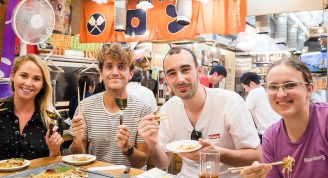
A haven for seafood lovers, manga fans and nature enthusiasts, Sakaiminto’s offerings are fairly eclectic for the seemingly slow-paced port town. Fish markets and world-class seafood restaurants line the streets, offering delights including local delicacy, Matsuba snow crab. You can also feast on Pacific bluefin tuna, Sakaiminto salmon, Natsuki rock oysters, swordtip squid and plenty more. The city was also once home to local hero, Shigeru Mizuki, a celebrated manga comic artist. Visit the Mizuki Shingeru museum for a fascinating insight into his life and the world of manga. Stretch your legs and enjoy a hike up the volcanic Mount Daisen, the highest mountain in the region (1730m). Or you may wish to take a gentler trek though the tranquil and restorative beech and cedar forests whilst connecting with nature and indulging in the Japanese pastime of ‘forest bathing’.
Day 8 - Day 8 Busan (South Korea)
Busan, South Korea's second city, blends beaches and mountains with boutiques, lively cafes and delicious seafood in food alleys. The 120m-tall Busan Tower offers a sense of the skyscraper cityscape. Six beaches, including Haeundae and Gwangalli, attract visitors year-round. Gamcheon Culture Village, previously a slum, is now a kaleidoscopic haven of art nestled on the coastal mountain foothills, affectionately dubbed the "Machu Picchu of Busan."
Day 9 - Day 9 Shimonoseki (Japan)
Famous for its fugu (also known as puffer or blowfish), Shimonoseki at the southwestern tip of Honsho, is surrounded on three sides by the ocean. The Japanese delicacy is available at Karato Ichiba fish market. Other attractions include Kozan-ji Buddhist temple, a ‘National Treasure of Japan’ that dates from 1327 and the photogenic 1,780-m-long Tsunoshima Bridge, which connects Tsunoshima island (part of Shimonoseki city) with Honshu.
Day 10 - Day 10 Beppu (Japan)
a:0:{}
Day 11 - Day 11 Hiroshima (Japan)
Hiroshima is a city of peace and resilience. The Hiroshima Peace Park and Museum, designated a UNESCO World Heritage Site, vividly portrays the aftermath of the atomic bombing. Designed by Kenzō Tange and inaugurated in 1955, the museum serves as a global symbol of peace, featuring a solemn cenotaph bearing the victims' names and the Flame of Peace, lit in 1964. The Genbaku Dome stands as the sole original structure left at the blast site.
Day 12 - Please note:
Itineraries are subject to change. 

Trip Dates

StartEndPrice FromRoom Type
02-10-202712-10-2027AUD $16,250Oceanview D4
02-10-202712-10-2027AUD $17,100Oceanview M4
02-10-202712-10-2027AUD $17,875Balcony D5
02-10-202712-10-2027AUD $18,700Balcony M5
02-10-202712-10-2027AUD $19,500Balcony D6
02-10-202712-10-2027AUD $28,450Suite
02-10-202712-10-2027AUD $32,500Premium Suite

Inclusions

    • Sail Kanmon Strait, visit Sado Island’s gold mines, and explore Hokkaido’s wild landscapes.
    • Encounter welcoming locals in Busan’s art-filled alleys and traditional communities in Maizuru and Sakata.
    • Enjoy expert-led excursions to Hiroshima’s Peace Memorial, serene temples, and artisan workshops in Aomori.

Map