fbpx

Unknown Japan and South Korea: a Meeting of Opposites

Unknown Japan and South Korea: a Meeting of Opposites

$0OPPHL 0 0
Call for Price

Description

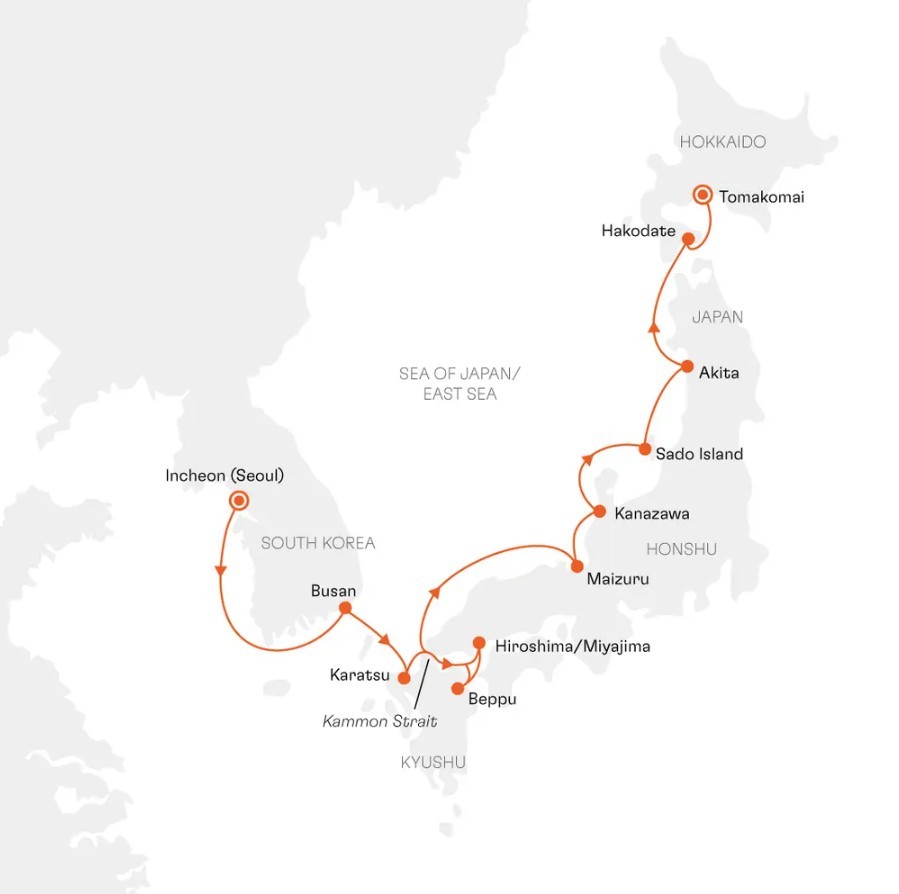
Uncover the cultural and natural treasures of Korea and Japan on this extraordinary voyage from Incheon to Tomakomai aboard HANSEATIC spirit. Begin in vibrant Seoul before exploring South Korea’s bustling ports and Japan’s rarely visited west coast, where centuries-old traditions meet cutting-edge modernity. Wander through ancient temples, serene gardens, and atmospheric shrines, and admire the architectural elegance of castles, pagodas, and tea houses. From Hiroshima’s moving history to the sacred island of Miyajima and the hot springs of Beppu, each stop reveals a new facet of Asia’s rich heritage. With onboard experts deepening your understanding of local customs and landscapes, this journey offers an intimate, authentic glimpse into the spirit of Japan — a land of beauty, balance, and timeless grace.
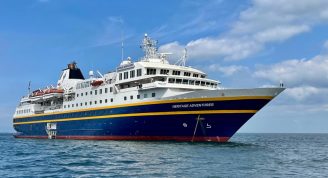
Trip Name
Unknown Japan and South Korea: a Meeting of Opposites
Days
14
Overview
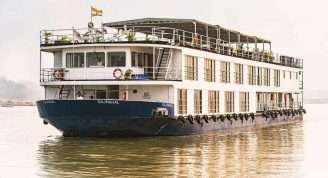
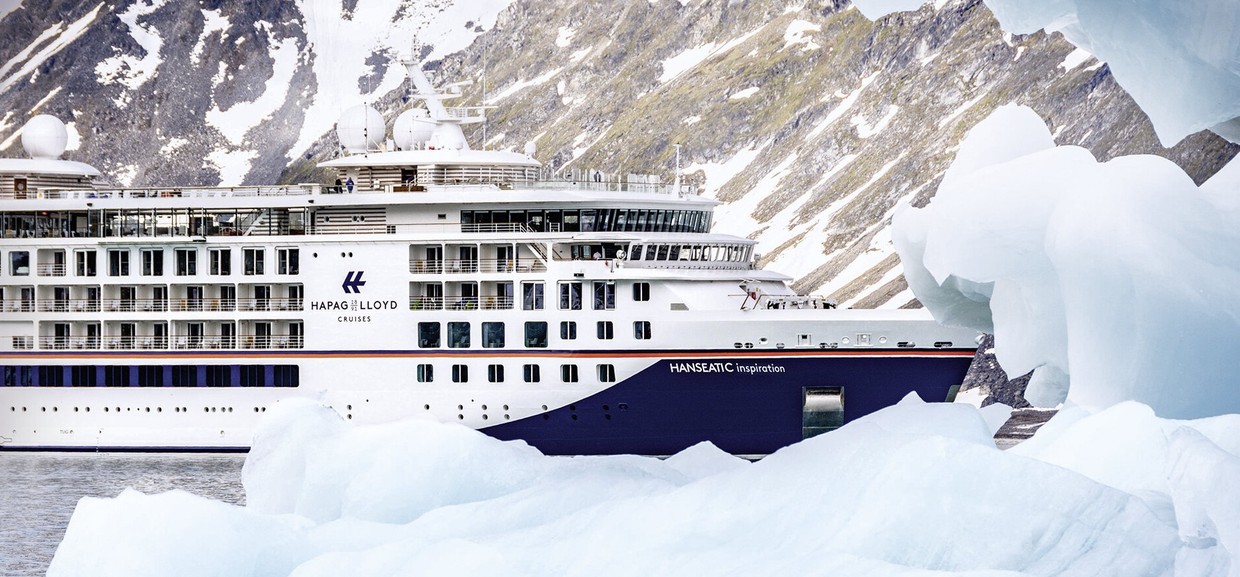
Vessel Type: Expedition Length: 138 m Passenger Capacity: 230 Built: 2021 The expedition class combines the thrill of true exploration with the comfort of luxury cruising. Aboard the small yet ultra-modern expedition ships HANSEATIC nature, HANSEATIC inspiration, and HANSEATIC spirit, a maximum of 230 guests can venture deep into some of the world’s most remote and captivating regions — from icy polar landscapes to tropical islands. These vessels are purpose-built for discovery, featuring advanced technology, the highest ice class for passenger ships (PC 6), and an expert team of scientists and expedition leaders who turn every journey into an enriching experience. Whether gliding through ice fields, landing by Zodiac in untouched bays, or learning from onboard experts, guests are immersed in nature and culture at their purest. With over 30 years of expedition expertise, these voyages redefine adventure travel by blending knowledge, comfort, and sustainability. Guests enjoy world-class dining, elegant suites, and warm, attentive service while exploring regions inaccessible to larger ships. Every itinerary is designed to uncover hidden corners of the planet safely and respectfully — leaving only traces of curiosity behind. From close-up wildlife encounters to champagne toasts beside icebergs, each journey promises rare experiences and unforgettable memories, guided by a crew whose passion for discovery is matched only by their dedication to comfort and care.

Itinerary


Day 1 - Day 1 Incheon (Seoul)/South Korea
Incheon (Seoul)/South Korea, departure 20.00 hrs
Day 2 - Day 2 Relaxation at sea
a:0:{}
Day 3 - Day 3 Busan/South Korea
Busan/South Korea, 08.00 – 20.00 hrsMysterious, remote and little-known: in South Korea, you will enter a fascinating realm. In the “Land of Morning Calm”, at the south-eastern tip of the Korean Peninsula, the city of Busan conjures up the many faces of Asia. Here, traditional ceremonies and historic temples still have their place alongside more modern aspects. A trip on the Sky Capsule, a four-seater elevated rail carriage, offers impressive views of Busan’s coastline and hills. The city is also the starting point for discovering the relics of the old Silla dynasty and sacred sites in the form of colourfully embellished temples. Get a sense of the Koreans’ close relationship with nature along the dramatic coastline with its small suspension bridges. You can also satisfy your hunger for adventure with insights into the traditional lifestyle and local cuisine, including the Korean “fire meat” bulgogi.
Day 4 - Day 4 Karatsu/Japan
Karatsu/Japan, 07.00 – 15.30 hrsYour cruise offers plenty of opportunities for individual discoveries – explore the centre of the coastal resort and the sandy beaches in Karatsu, for instance, or wander through its pine forests. You will be rewarded with profound insights into Japanese culture and nature. Opt to explore on your own or take a group excursion with your experts: Karatsu Castle is one of the most beautiful in Japan and is well worth a visit. The pagoda-style gem sits majestically on top of a hill. Whether you climb up or take the lift, from the top floor observatory you can enjoy far-reaching panoramic views over the historic region.
Day 5 - Day 5 Hiroshima
Hiroshima, arrival 08.00 hrsHiroshima symbolises a very eventful period in modern history – your exploration of the area will be shaped by memorials. Tracing the tragic events of 1945 will take you to the Peace Memorial Park, designed by star architect Kenzo Tange. Together with your experts on board, who will provide a commentary for your visit, experience Hiroshima as an impressive place of historic reflection, as well as a symbol of hope and new beginnings. Hiroshima Castle, also known as Rijo, will take you back to times long past. It is a perfect example of Japanese architecture in the traditional pagoda style and its museum tells the story of the samurai. With its variety of miniature landscapes, the Shukkeien Garden displays Japanese landscape gardening as an art form: pause for a while at the tea houses and Koi carp ponds to find inner peace and serenity.
Day 6 - Day 6 Miyajima
Hiroshima, departure 06.00 hrsMiyajima, 07.00 – 18.00 hrs The picturesque coastline of the sacred island of Miyajima has inspired both art and literature. On an independent shore visit, discover its allure and one of Japan’s famous landmarks: the Itsukushima Shrine, one of the most photographed places in the country and a symbol of the ancient veneration of nature characteristic of Shintoism. At high tide, its 16 m (52 ft) high Torii, a red gate made of camphor wood, reflects in the water and appears to float there. There are over a hundred thousand Shinto shrines in Japan and this one is not only the most famous, but also one of the most beautiful.
Day 7 - Day 7 Beppu
Beppu, 09.30 – 22.30 hrsDuring lectures and talks on board, your experts will also talk about Japan’s location on a geological fracture zone of four tectonic plates. The resulting hydrothermal activity is, amongst other things, the basis for the onsen baths with healing hot springs. The spa city of Beppu demonstrates how bathing rituals shape Japanese culture. There are more than 2,000 of these healing baths in Japan, which is hardly surprising for a country in which almost every mountain is a volcano. Onsen are a great place to relax and unwind and enjoy their healing properties. Even the samurai asked for support from the deities while bathing in an onsen. Immerse yourself in this relaxing tradition.
Day 8 - Day 8 Relaxation at sea
a:0:{}
Day 9 - Day 9 Maizuru
Maizuru, 08.00 – 19.00 hrsMaizuru, with its charming red brick buildings, opens the doors to a world full of history – your experts on board will become passionate narrators as they shed light on the various chapters of Japan’s past. Former naval buildings and numerous museums reflect the importance of the port during the Russo-Japanese War of 1904/05 and the city’s development into a naval base. Here, your understanding of the Far Eastern world of faith will also unfold like a “crane spreading its wings”, which is what the name Maizuru means. The city is the perfect starting point for visiting the spiritual centre of the country: Kyoto – the old imperial city with countless temples and lavishly decorated shrines is a highlight of this cruise.
Day 10 - Day 10 Kanazawa
Kanazawa, 07.00 – 19.00 hrsKanazawa is famous for is gold leaf production, which has been perfected here over the centuries. The skill required to process the precious metal into wafer-thin sheets has earned the city an international reputation as the “gold leaf capital”. The architecture and cultural history of the town have a glitter of their own. In the traditional geisha district, you can visit many of the well-preserved tea houses from the Edo period, where geishas once entertained their guests. Another district offers an insight into the lifestyle of the samurai, with historic houses, traditional Japanese gardens, tatami mats and original furniture. By contrast, the famous Kenrokuen Garden perfectly combines spaciousness and seclusion, artistry and tradition, coolness and harmony.
Day 11 - Day 11 Sado Island
Sado Island, 08.00 – 18.00 hrsIn Japan, fishing is considered a male domain, but on Sado Island, women have carved out a niche for themselves in the fishing industry: they fish from flat, round, wooden barrel boats – a unique cultural heritage. With the increasing mechanisation of fishing, the number of women fishing from these barrel boats has fallen sharply. Nevertheless, efforts are being made to preserve this unique tradition and pass it on to future generations.
Day 12 - Day 12 Akita
Akita, 08.00 – 17.00 hrsAs in many regions of Japan, the samurai caste was once an important part of society in Akita Prefecture – the samurai were feudal rulers and warriors known for their loyalty and military service. The city of Akita is an invitation for you to explore the old samurai district of Kakunodate with its traditional architecture. The Akita, an ancient Japanese dog breed, is said to have been the samurai's faithful companion. In 1931, it was declared a national treasure by Emperor Hirohito. The Akita Museum of Art is a more modern creation: the iconic building with a free-standing staircase and triangular skylight was designed by the renowned architect Tadao Ando
Day 13 - Day 13 Hakodate
Hakodate, 07.00 – 17.00 hrsAt the south-eastern tip of Japan's second largest and northernmost main island, Hokkaido, lies the city of Hakodate, dominated by its local mountain at 335 m (1,099 ft) above sea level. From its summit or from the Goryokaku Tower, you can enjoy beautiful views of the city with its famous star-shaped fortress. Hakodate was one of the first Japanese ports to open to foreign ships in 1854. This led to the development of the historic Motomachi district, with its 19th century buildings in the European style. Also of architectural interest is the Future University Hakodate designed by Tokyo architect Riken Yamamoto: with features from 1970s structuralism, the building is a successful example of the high-tech style made famous by Norman Foster.
Day 14 - Day 14 Tomakomai/Japan
Tomakomai/Japan, arrival 07.00 hrs
Day 15 - Please Note:
Itineraries are subject to change. 

Trip Dates

StartEndPrice FromRoom Type
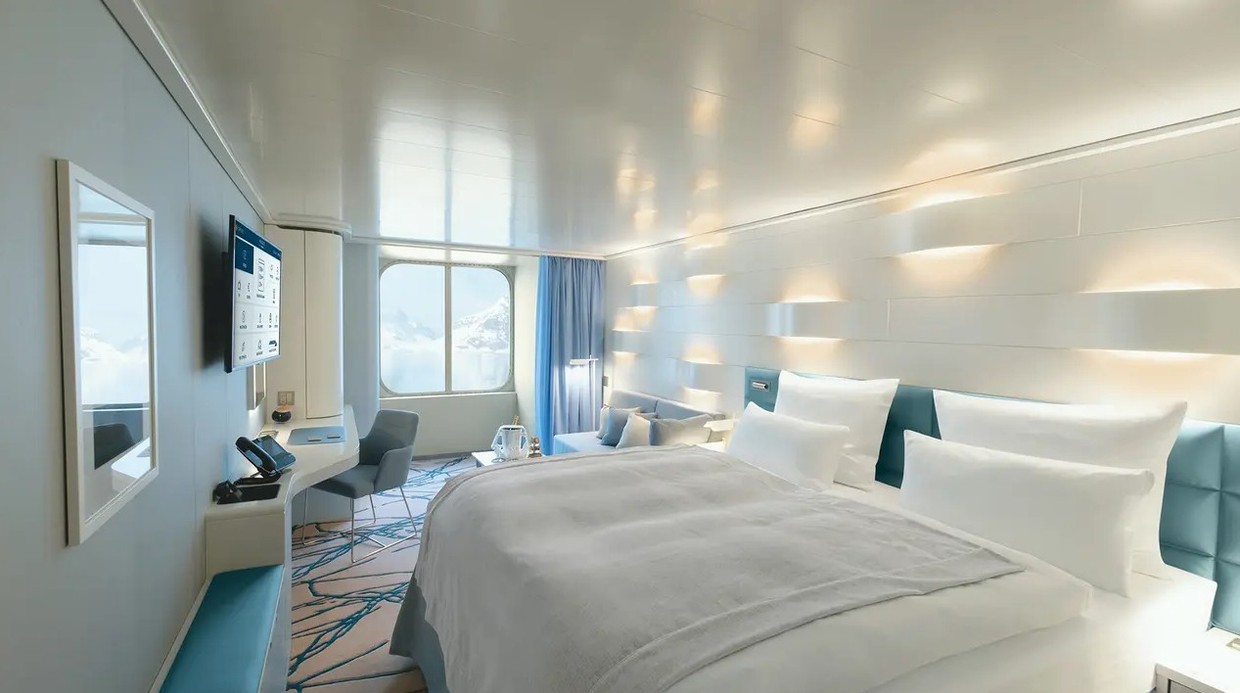
13-06-202726-06-2027Array Array8,990Outside Cabin. From
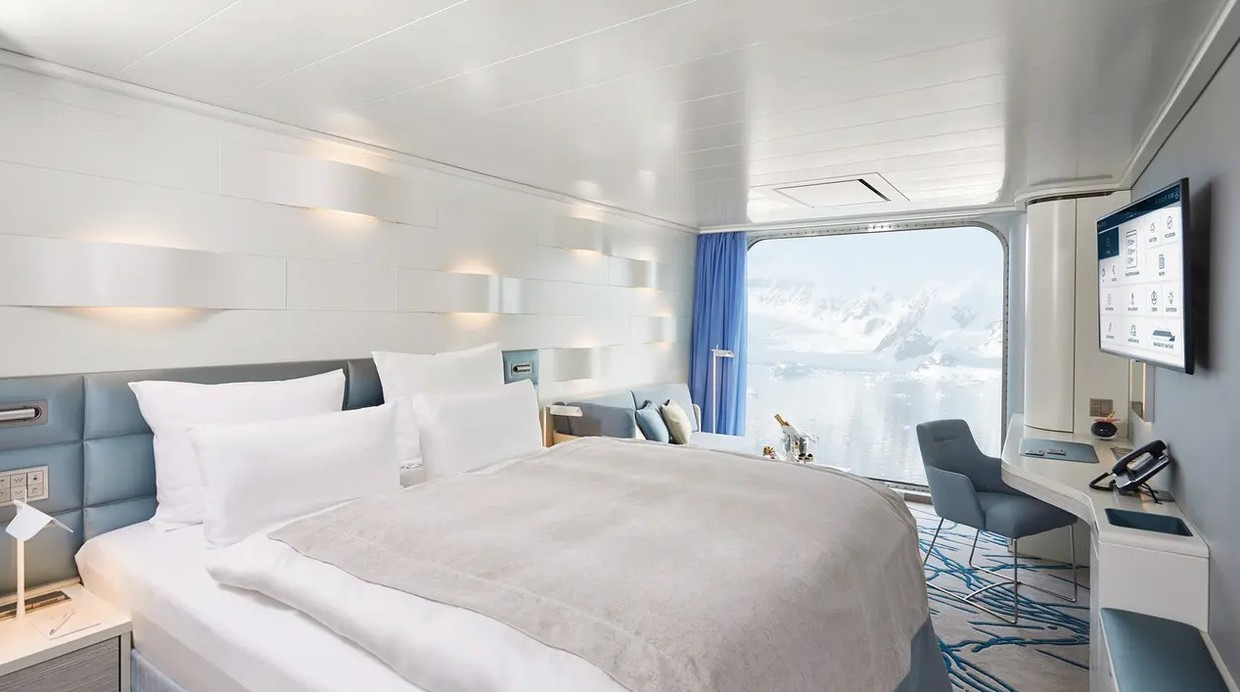
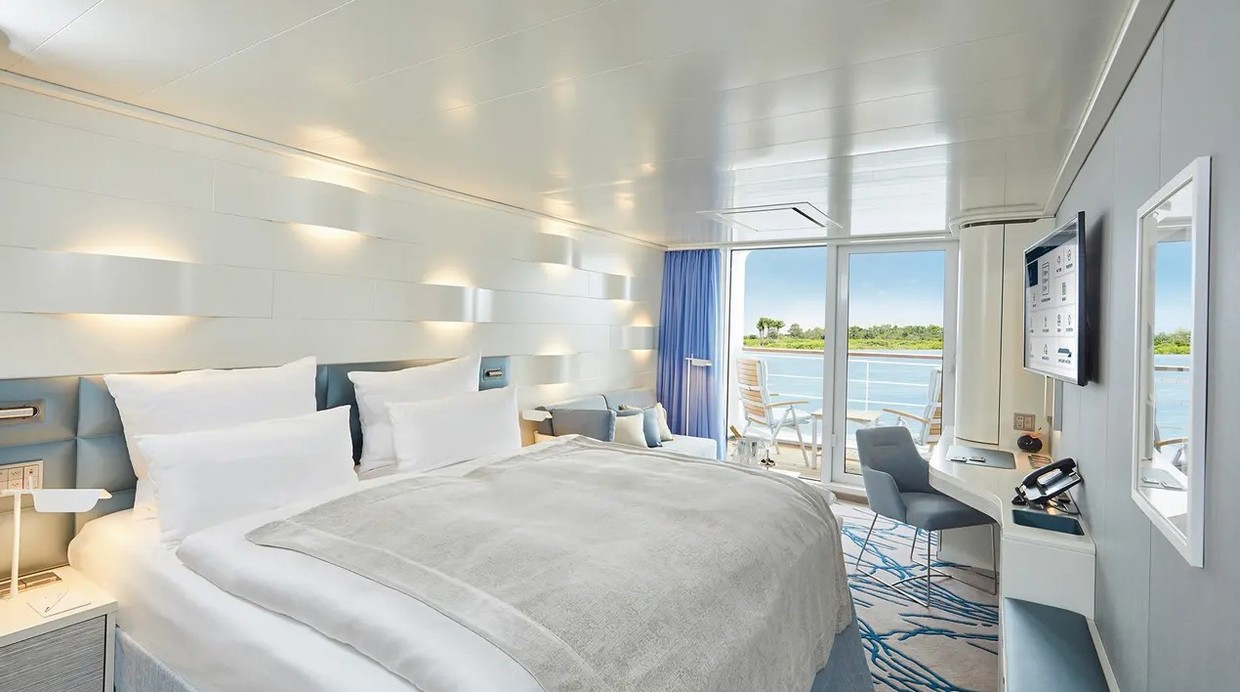
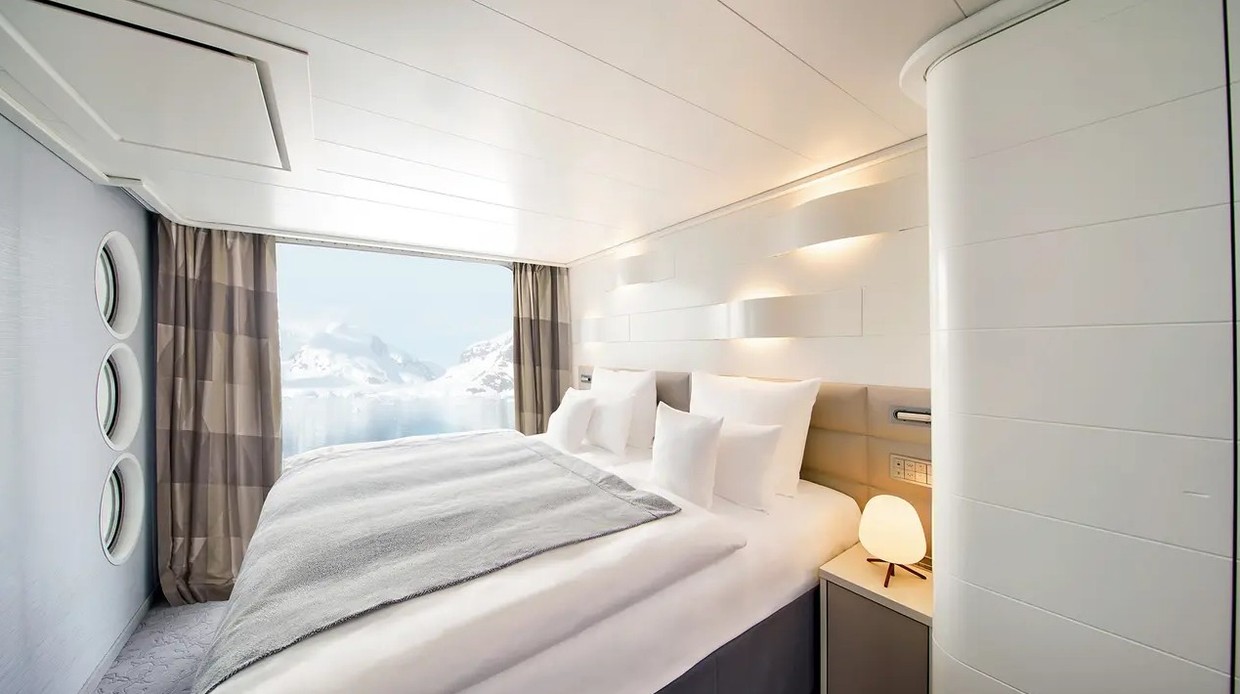
13-06-202726-06-2027Array Array8,990Panoramic Cabin. From
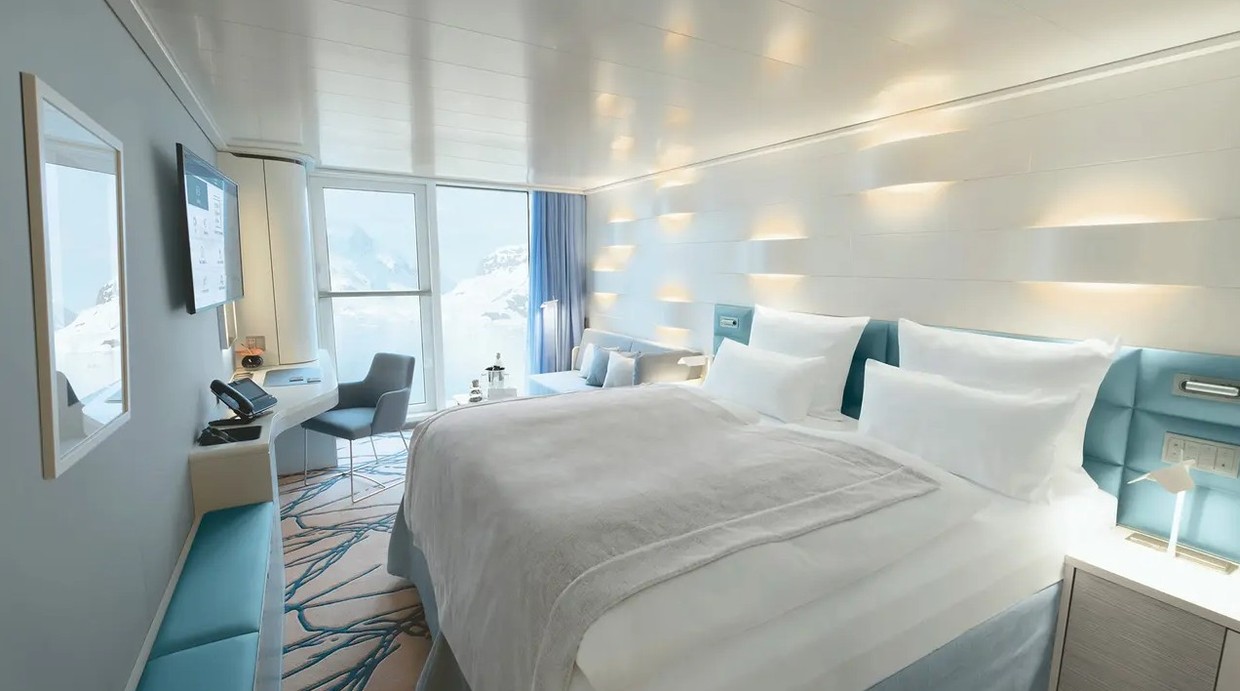
13-06-202726-06-2027Array Array11,290French Balcony Cabin. From
13-06-202726-06-2027Array Array12,270Balcony Cabin. From
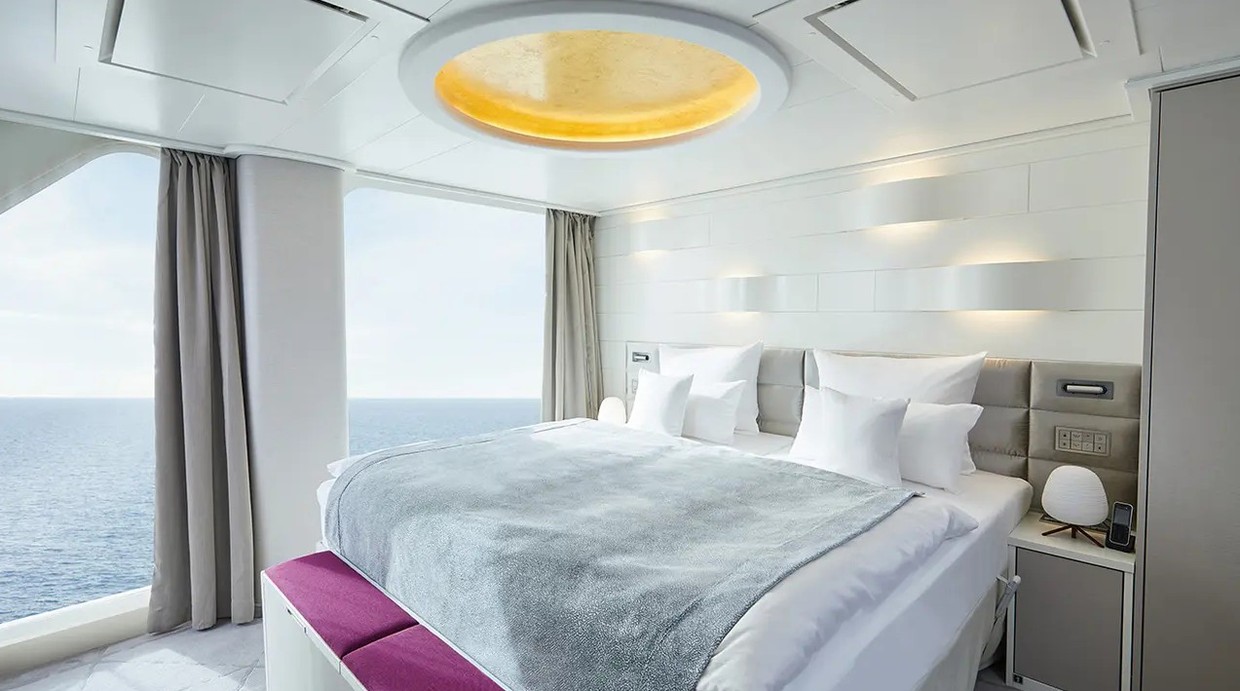
13-06-202726-06-2027Array Array17,040Junior Suite. From
13-06-202726-06-2027Array Array0Grand Suite. From

Inclusions

    • Experience distant Japan up close: with an intensity that is only possible with a small ship
    • Open-air museums to Asian architecture: marvel at the pagodas and castles, temples and tea houses
    • Ancient values, new perspectives: discover a fascinating veneration of nature, bathing rituals, shrines and samurai
    • Picture-perfect landscapes: flourishing gardens, holy islands, high mountains and vast national parks
    • Experts on board share the secrets of a culture and nature that would otherwise remain hidden

Map