





Description
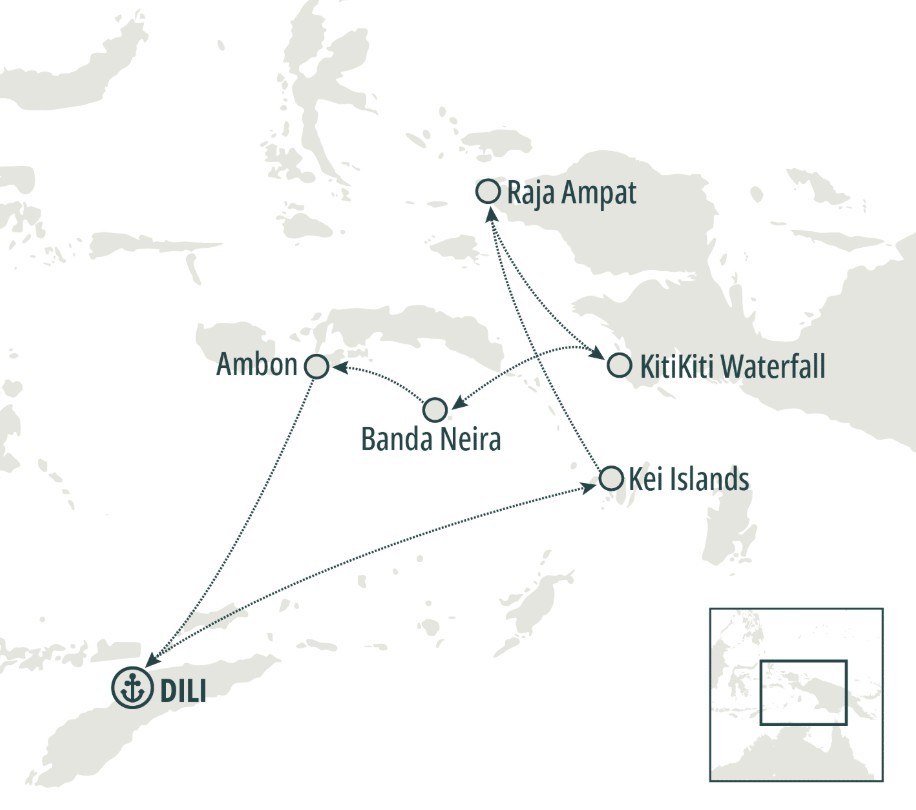
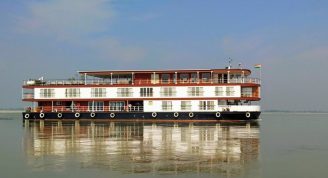
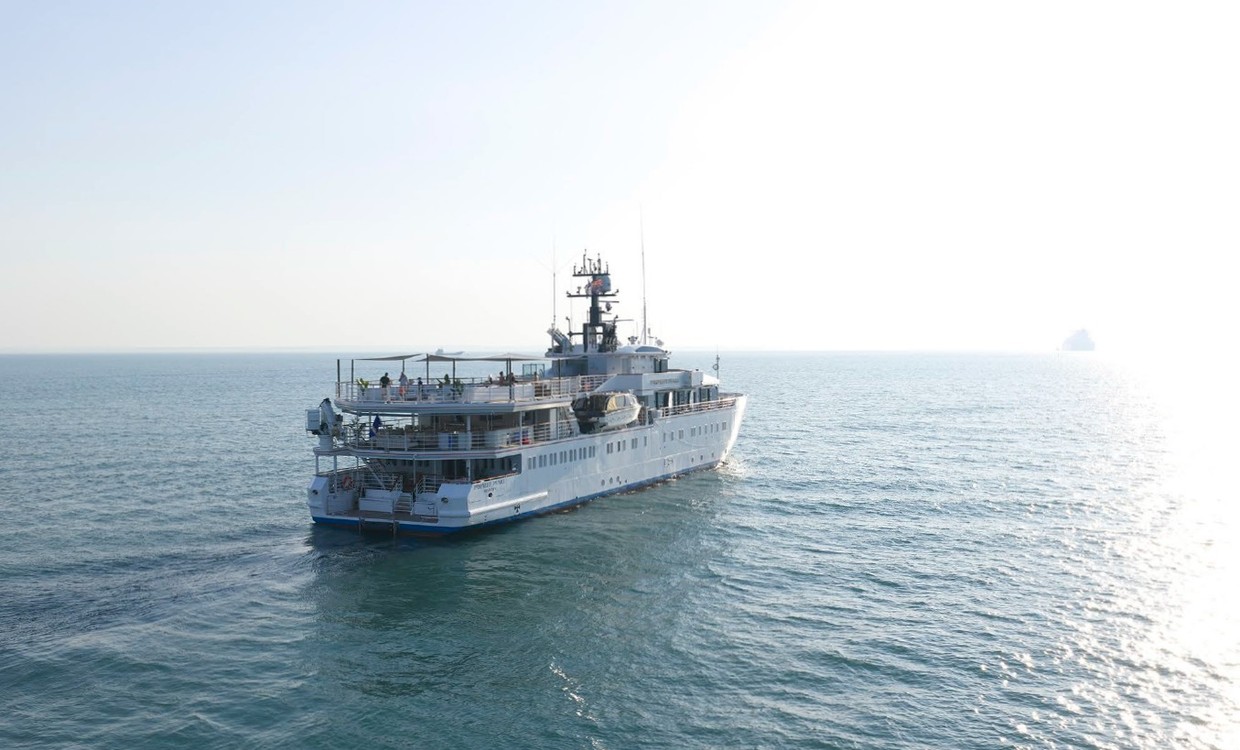
This expedition follows spice trade routes that shaped the modern world — north from Timor-Leste through the Banda Islands, to the 1,500 limestone islands of Raja Ampat. The geographic isolation that made these waters worth fighting over across three centuries has helped to preserve the marine environments that now support 550 coral species and 1,600 documented reef fish species — the most biodiverse underwater habitat on Earth. Thirty guests aboard Paspaley Pearl means access these waters require — time and movement shaped by conditions rather than a fixed schedule.
When the Portuguese established the first forts in the Spice Islands in 1512, nutmeg and mace commanded prices exceeding gold in European markets — enough to justify warships, mercenaries, and a century of brutal competition. The Dutch eventually monopolised the trade by force, but their grip came at a price: in the 1667 Treaty of Breda, they ceded a small Dutch settlement called New Amsterdam to the English in exchange for the Spice Island of Run. The English renamed that settlement New York.