fbpx

12 Days Luxury British Isles Cruise – Dublin to Edinburgh

12 Days Luxury British Isles Cruise – Dublin to Edinburgh

$0DUUSS 0 0
Call for Price

Description

Discover the North Sea’s spectacular islands, where epic sagas, vast seabird colonies, and sacred sites await. An 11-day journey from Dublin to Edinburgh, you’ll sail from UNESCO-listed St. Kilda’s soaring cliffs, through wild sea lochs and gardens, and on to the Faroe Islands’ dramatic waterfalls and towering sea stacks. Along the way, explore Iona’s abbey ruins, puffin-covered Lunga, and Lerwick’s Norse-Scottish heritage — a voyage to northern Europe’s wild edge.
Some departures may have slightly modified itineraries. Please confirm the itinerary with an Expedition Specialist.

Trip Name
12 Days Luxury British Isles Cruise - Dublin to Edinburgh
Days
12
Overview
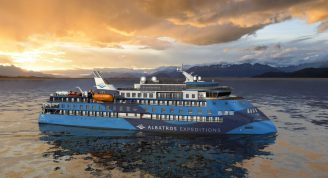
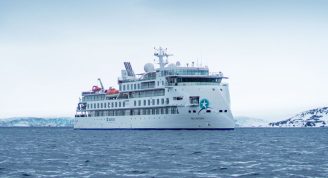
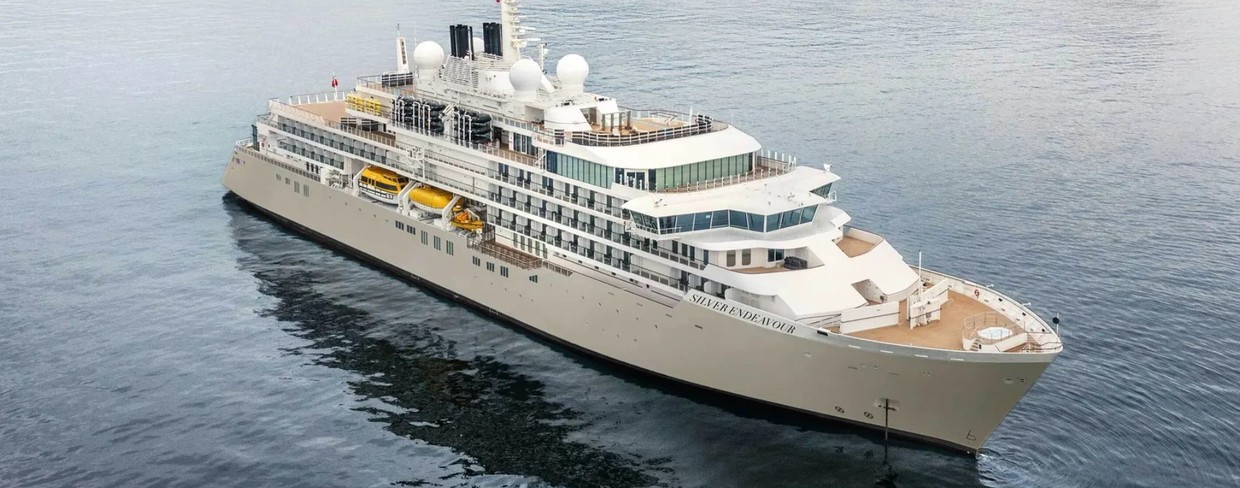
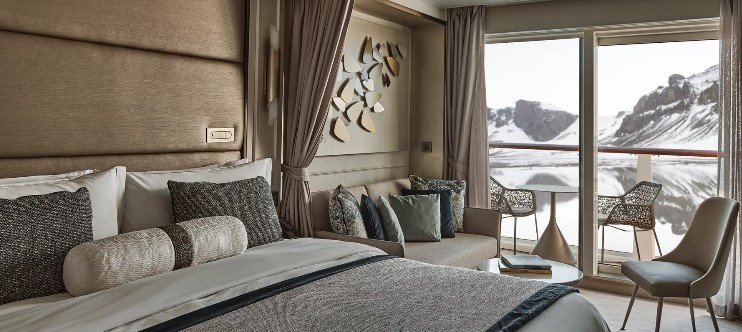
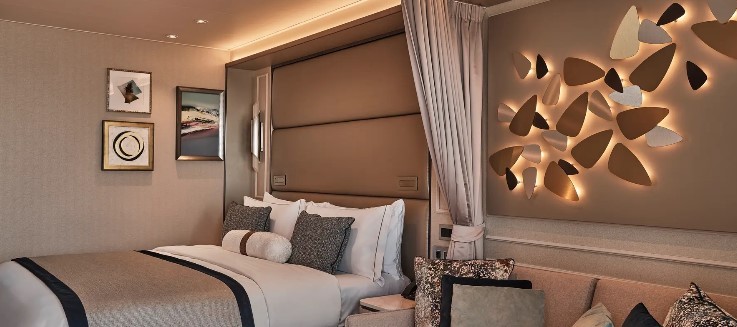
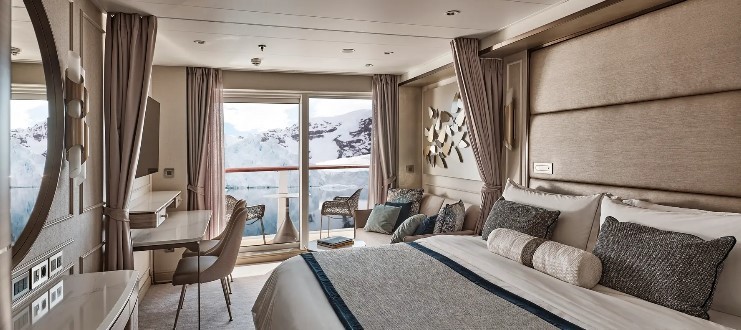
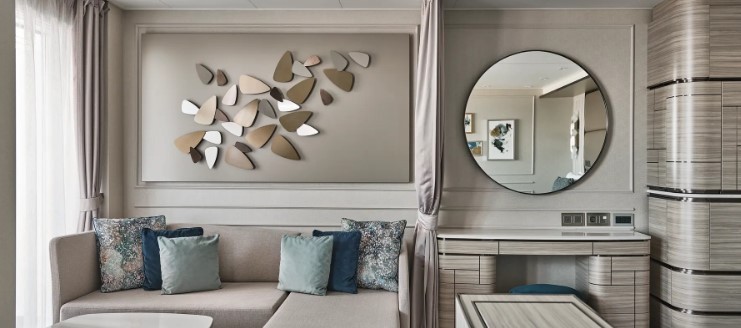
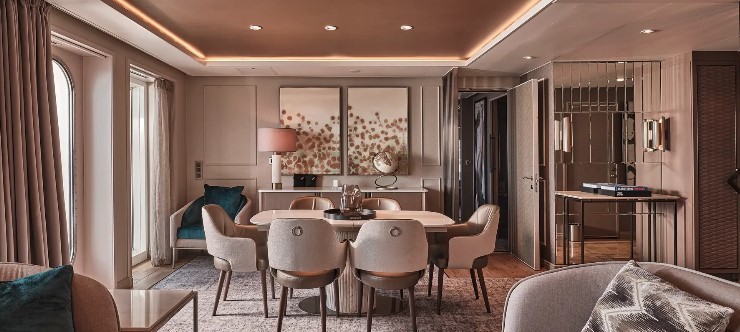
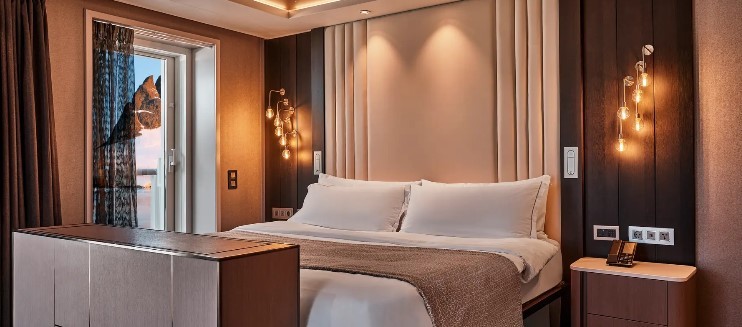
Vessel Type: Small Luxury Cruise Ship Length: 156.7 metres Passenger Capacity: 274 Built: 1995 / Refurbished: 2021 Silver Wind is a refined and versatile expedition cruise ship, combining classic Silversea elegance with cutting-edge expedition capability. Following a major refurbishment in 2018 and a further upgrade in 2021, Silver Wind now boasts a strengthened ice-class hull, making her equally at home in the Polar Regions and sun-drenched tropical ports. With a guest capacity of just 274 and an exceptional crew-to-guest ratio, she offers personalised, attentive service in a luxuriously relaxed setting. Her 24 Zodiac® boats provide a superb platform for immersive exploration, whether spotting wildlife in Antarctica or cruising remote coastlines in comfort. Onboard, guests enjoy a wealth of elegant public spaces and all-suite accommodation, ranging from the spacious Owner’s Suite to the cosy yet stylish Vista Suites. Culinary experiences abound, from authentic Italian cuisine at La Terrazza to open-air dining at The Grill and fine French fare at La Dame. Silver Wind also features multiple lounges, a pool deck, a full-service spa and salon, a fitness centre, and the inviting Observation Library. With its boutique luxury atmosphere, wide-ranging destinations, and upgraded expedition capabilities, Silver Wind offers one of the most adaptable and indulgent cruise experiences at sea.
Itinerary


Day 1 - Day 1 - Dublin, Ireland
Atmospheric cobbled streets, with buskers scraping fiddles and characterful pubs inviting passersby inside, is Dublin in a snapshot. A city of irrepressible energy and lust for life, Ireland's capital is as welcoming a place as you'll find. Horse-drawn carriages plod along cobbled centuries-old streets, blending with an easy-going, cosmopolitan outlook. Known for its fun-filled gathering of pubs, any excuse works to enjoy a celebratory toast and chat among good company. Home to perhaps the world's most famous beer - slurp perfect pourings of thick, dark Guinness - cranked out for the city's thirsty patrons. Learn more about the humble pint's journey at the Guinness Storehouse. Dublin has come a long way since the Vikings established a trading port here, back in the 9th Century. In the time since, the city became the British Empire's de facto second city, and the Georgian imprint still adds oodles of historic character. Learn of 1916's Easter Uprising, when the Irish rebelled and established their independence here, as you visit the infamous, haunting Kilmainham Gaol. The uprising's leaders were tried and executed in these dark confines. Dublin's St. Patrick's Cathedral has immense history below its steep spire, which dates back to 1191. There's rich literary heritage to leaf through too, and the city's streets were rendered vividly in James Joyce's classic Ulysses. The Museum of Literature celebrates the full scope of Dublin's lyrical talents. Trinity College also has a prestigious roll-call of alumni - visit to see the Book of Kells, a beautifully illustrated bible of the medieval era.
Day 2 - Day 2 - Isle of Man (Douglas), United Kingdom
The Isle of Man, off England's west coast (and Ireland's east), needs no introduction. Its Celtic history is legendary, its political past labyrinthine, and its national symbol - a three-legged figure with neither body nor head - an enigma that has been foxing historians for centuries. Do not confuse the Isle of Man with the United Kingdom. It does have 'crown dependency' similar to Jersey, but the 32-mile-long island is entirely self-governed. It changed hands between England and Scotland many times during the middle ages but fell under British rule in 1399. However, when the feudal lordship was revived in 1765, the island never became part of the United Kingdom. And has remained independent ever since. The island is, quite literally, shrouded in a cloak of secrecy. This is called Manannan's (or sea mist) after the obscure Celtic Sea God. Legend has it that Manannan's cloak hides the island from invaders, so they just sail past. But that's just the beginning of the island's eccentricities. If you do not salute the mooinjer veggey (little people) that live under Fairy Bridge, you will provoke their anger, and they will put a spell on you. The island's national sport is tin bath racing. Modern life seems not to have arrived here. The railway system, the actual railway system not a contrived tourist attraction, is still operated by a steam locomotive. The tram system by horse-drawn carriage. The water wheel, opened in 1895, has never been updated. After all, why would they? Everything works just fine.
Day 3 - Day 3 - Lunga, United Kingdom & Iona, United Kingdom
The stunning Isle of Lunga is the largest island in the Treshnish archipelago. With volcanic origin the isle was populated until the 19th Century, and remains of black houses can be seen around this magnificent coastal jewel. Abundant plant life and exotic birdlife are now the main inhabitants of the area. Fortunate visitors may view the magnificent array of birds, especially the great puffins that breed on the island's plateau from mid-April till early August. By late summer, Lunga transforms into a quiet and peaceful haven after the busy seabird breeding season. While the iconic puffins and most nesting birds have returned to the open ocean, the island still offers dramatic coastal scenery, wildflower-covered slopes, and a strong sense of remote Hebridean beauty. Guests may encounter seals hauled out on rocky shores, and birds of prey are sometimes seen overhead, adding to the wild charm of the landscape.If tiny islands that resonate with peace and tranquility are your idea of travel heaven, then welcome to Iona. Almost 200 miles east of Edinburgh, set in Scotland's Inner Hebrides, this magical island has a spiritual reputation that precedes it. And luckily, more than lives up to. The island is miniscule. Just three miles long and only one and a half miles wide, this is not a place that hums with urban attractions. 120 people call Iona home (this number rises significantly if the gull, tern, and Kittiwake population is added), although residential numbers do go up (to a whopping 175) in summer. The beautiful coastline is lapped by the gulf stream and gives the island a warm climate with sandy beaches that look more Mediterranean than Scottish! Add to that a green field landscape that is just beautiful, and you'll find that Iona is a place that stays with you long after you leave. Iona's main attraction is of course its abbey. Built in 563 by Saint Columbia and his monks, the abbey is the reason why Iona is called the cradle of Christianity. Not only is the abbey (today an ecumenical church) one of the best - if not the best - examples of ecclesiastical architecture dating from the Middle Ages, but it also serves as an important site of spiritual pilgrimage. St. Martin's Cross, a 9th-century Celtic cross that stands outside the abbey, is considered as the finest example of Celtic crosses in the British Isles. Reilig Odhrain, or the cemetery, allegedly contains the remains of many Scottish kings.
Day 4 - Day 4 - Shiant Islands, Scotland, United Kingdom & Loch Ewe, United Kingdom
Cliffs of tall hexagonal columns create a sensational landscape at the Shiant Islands, especially when viewed from the sea. The cliffs of six-sided rock columns look like the cross-section of an enormous honeycomb. The rock formations were formed when molten volcanic magma cooled very slowly underground. Millions of years of erosion have exposed the six-sided columns to the sea, and to us. The tallest of these formations is 120 meters (390 feet) high. During spring and summer, flights of seabirds near the Shiant Islands catch the eye. Many long-winged seabirds wheel and soar gracefully. Others are more shaped for underwater swimming and fly in direct lines, beating stubby wings to resemble flying potatoes. Some birds nest in burrows while others, like Black-legged Kittiwakes, nest on cliffs. Rather than build nests, guillemots lay eggs on bare rock ledges. The pointed shape of the eggs ensures they roll in a tight circle, not off the ledge to the sea below. The Shiant Islands are part of the Outer Hebrides and located between the Isles of Lewis and Skye. Historically, they have supported families of sheep grazers who could tolerate a lonely island outpost. The Shiants were known as the last place in Britain where the Black Rat occurred in substantial numbers. Originally introduced to Britain from Asia in Roman times these rodents caused problems, eating eggs and chicks of seabirds. A successful eradication program eliminated the rats in 2016, giving the seabird colonies well-earned peace.Loch Ewe is the only north-facing loch in Scotland. With a fascinating history and stunning scenic landscape, this area overflows with natural beauty. During World War II, the loch served as a convoy gathering point and had a strong naval presence. It was therefore protected by light and heavy anti-aircraft guns, a boom net, and a mine defense system to shield this vital settlement. Loch Ewe is a natural deep-water sea loch that connects to the Atlantic Ocean through a relatively narrow mouth, offering it a vast amount of protection from the weather. Nearby, Inverewe Gardens thrive on the warm currents of the North Atlantic Drift, creating an oasis of color and fertility. Exotic plants from many countries flourish here - on a latitude more northerly than Moscow, giving an almost continual display of color throughout the year.
Day 5 - Day 5 - St. Kilda, United Kingdom
Gloriously remote, St. Kilda is an archipelago 50 miles off the Isle of Harris. Although the four islands are uninhabited by humans, thousands of seas birds call these craggy cliffs home, clinging to the sheer faces as if by magic. Not only is St. Kilda home to the UK's largest colony of Atlantic Puffin (almost 1 million), but also the world largest colony Gannets nests on Boreray island and its sea stacks. The islands also home decedents of the world's original Soay sheep as well as having a breed of eponymously named mice. The extremely rare St. Kilda wren unsurprisingly hails from St. Kilda, so birders should visit with notebook, binoculars and camera to hand. While endemic animal species is rife on the island, St. Kilda has not been peopled since 1930 after the last inhabitants voted that human life was unsustainable. However, permanent habitation had been possible in the Medieval Ages, and a vast National Trust for Scotland project to restore the dwellings is currently being undertaken. The islands even enjoyed a status as being an ideal holiday destination in the 19th century. Today, the only humans living on the islands are passionate history, science and conservation scholars. One of the caretakers even acts as shopkeeper and postmaster for any visitors who might like to send a postcard home from St. Kilda. It should be noted that St. Kilda is the UKs only (and just one of 39 in the world) dual World Heritage status from UNESCO in recognition of its Natural Heritage and cultural significance.
Day 6 - Day 6 - Tórshavn (Faroe Islands), Faroe Islands
Titanic scenery, mist-whipped mountains, and staggering oceanic vistas await you here in the Faroe Islands - a far-flung archipelago of immense natural beauty. This remote and isolated gathering of 18 islands – adrift in the far North Atlantic Ocean – is a self-governing part of the Kingdom of Denmark, and colorful Tórshavn bustles up against the seafront, forming one of the tiniest capital cities in the world. Wander between pretty, half-timbered houses and visit one of the world’s oldest parliament buildings, during your time here. With Viking history swirling too, Torshavn is a quaint, charming, and heritage-rich city. Surrounded by thrilling landscapes, and cozy Scandi culture, the Faroe Islands are an envy-inducing, off-the-beaten-track destination. From Torshavn, scatter to your choice of island destinations, or spend time soaking in the storybook appeal and clarity of air in the scenic old town. Pop into local shops or head for restaurants - where you can taste local foods like salt-cured fish and hunks of lamb. See waterfalls plummeting directly into the ocean from vertical cliffs, along with emerald-green carpeted fjords, as you explore these extraordinary, lost islands. Puffins and sea birds relish the island’s craggy sea cliffs and coastline – visit the island of Mykines to see the birds burrowing deep into the steep cliffs to nest. Strap on your hiking boots to rise to the challenge of the mesmerizing scenery. Fjords etch into the coastline, and you can encounter peaceful lakes and massive valleys dug out by glaciers. Off-shore, sea stacks totter up out of the swelling, frothy waves.
Day 7 - Day 7 - Vestmanna (Faroe Islands), Faroe Islands
Surrounded by the mountains of Hægstafjall, Økslin, Loysingafjall, and Moskurfjall, Vestmanna sits quietly on the banks of Streymoy, on the North Atlantic Ocean. With 1,200 inhabitants, the colorful little village itself is lovely; a few shops and cafes selling locally made cakes and handicrafts, as well as the island’s native seafood soup dish. While those wishing to stretch their legs will enjoy the surrounding area for its stunning countryside, Vestmanna’s main attraction is beyond any doubt its bird cliffs. You don’t have to be a birder to appreciate these magnificent cliffs, although if you are the cliffs are the stuff of dreams. At almost 700 meters high (and six kilometers long), the cliffs rise steeply out of the water and are covered with tens of thousands of seabirds, zooming through the air, swooping into the water and nesting in the crevices. The near-vertical cliffs are home to numerous species including kittiwakes, Common Guillemots, Black Guillemots, and the oh-so-charismatic Atlantic Puffin. Visually, they are stunning: waterfalls thunder into the sea, cliff tops cut jagged lines into horizon and the whole landscape seems straight out of Jurassic Park. Dressed in a cloak of mist and emerald green moss, to say that the feeling is otherworldly is an understatement. To gauge the true beauty of the region, one must take to the sea. The experience of sailing under the cacophonic cliffs, juxtaposed by the silence of calm caves is simply unforgettable.
Day 8 - Day 8 - Lerwick, Shetland Islands, Scotland
Adrift between the Scottish and Norwegian coasts, the craggy Shetland Islands form the most northerly point of the British Isles. Sprawling across 100 islands, connected by sandy bridges and crisscrossing ferries, explore the highlights of this scenic archipelago outpost. With incredible Neolithic history, spanning 5,000 years of human heritage, these islands, which sit just shy of the Arctic Circle, are an isolated and immense treasure trove of history and thrilling scenery. Look out over dramatic coastline from atmospheric Iron Age towers. Sweeping, windswept beaches and wisps of sand connect islands and rugged cliffs - stand back as the sounds of the waves smashing against the shore and calling gulls fills the air. The islands are also home to some of the most adorable four-legged creatures you'll ever meet, the diminutive and wavy-fringed, Shetland Ponies who roam the hills and reach a maximum size of 42 inches. Don't be fooled, though, they are amongst the strongest and toughest of all breeds. Their existence here points to Viking history, as local horses bred with ponies brought ashore by Norse settlers, creating the lovable crossbreed that is an icon of these islands today. The towering Broch of Mousa is perhaps Europe's best-preserved Iron Age building - and one of the Shetland's finest brochs - a series of round, stone towers, believed to have been constructed around 100 B.C. Seals and birdlife ensure that the isolated islands are always well-populated with life - and you can embark on hikes to discover their coastal homes. Lerwick is the islands' capital, and there's a charming welcome on offer, as you arrive before the waterfront of stone buildings, which cascade down to the shore.
Day 9 - Day 9 - Fair Isle, Scotland, United Kingdom
Lying mid-way between Shetland and the Orkney islands, Fair Isle is a tiny jewel in the sea. Famous for birds, knitwear and historic shipwrecks, the island offers a warm and friendly welcome to visitors. With a population of only around 70 people this island is truly a beautiful setting and is one of Britain’s most successful communities. View the cloudy light turquoise water as it drifts out to sea beneath the breathtaking Sheep Rock, rising over 100 meters, which is almost an isle of its own. Fair Isle’s oceanic climate brings stormy but mild winters, in summer, you can expect rapid changes in the weather, sparkling sunshine can be followed by a thick blanket of mist and fog, and this makes the isle a truly inspiring area. Over the centuries the island has changed hands many times and was named the island of peace by Norse settlers. The isle has been a useful landmark for shipping but in storms and fog it is highly dangerous creating over 100 known shipwrecks such as the Spanish armada flag ship “El Gran Grifon”.
Day 10 - Day 10 - Lindisfarne Island, United Kingdom & Farne Islands, United Kingdom
The island of Lindisfarne, otherwise known as Holy Island, was a destination for religious pilgrims. It was perhaps the holiest site in Anglo-Saxon England. Now many visitors are more interested in history and recreation. Most arrive by driving on a causeway from the Northumberland mainland, but only at low tide. The island has an intertidal boat harbor, a castle, a ruined priory, and a village of less than 200 folks. A priory (small monastery) was established on Lindisfarne in 635 CE by Aidan, an Irish monk based at Iona Island in Scotland. The priory was a base for Christianity in northern England. Cuthbert joined the monastery and became abbot and, after death, a saint and subject of pilgrimages. An account of him residing at Lindisfarne is the oldest known piece of English writing. Vikings raided the wealthy Linisfarne monastery in 793 CE in their first major attack on Western Europe. Fear spread throughout the land. The monks abandoned the island for 400 years, before returning to revive the religious center post-Vikings. The stone ruins of Lindisfarne Priory can be observed near the island's village. Lindisfarne Castle is small compared to other castles, but you can see how it dominates the island from all directions. It was built in 1550 using some of the stones of the priory and is in good condition. The castle, with adjacent gardens and lime kilns, is cared for by the National Trust. Lindisfarne mead made on the island is touted as an aphrodisiac. What would the monks think?His favorite place in the UK to see nature at its best, is how David Attenborough described the Farne Islands. The scatter of small islands begins 2.4 kilometers (1.5 miles) off the Northumberland Coast. The islands are dolerite which formed from liquid rock cooling underground. Softer overlying rock has eroded to leave hard rounded columns and fissured dolerite cliffs. The treeless landscape makes viewing of the island wildlife and history easy, even from a boat. The Farnes are cared for by the National Trust. In Medieval times the Inner Farnes were home to the famous hermit bishop Saint Cuthbert. In 676 CE he introduced laws to protect the Eider Ducks – “one of the earliest written bird protection laws in the world. Locally, Eider Ducks are known as Cuddy’s in honor of the saint. Historic buildings that can be spotted include St Cuthbert’s Chapel, a stone Pele lookout tower, and two standing lighthouses. With 100,000 breeding seabirds and thousands of seals, the natural reputation of the Farnes is clear. Atlantic Puffins are the most common bird during their April to July breeding season when they raise their pufflings. The puffin is called the Tommy noddy in Northumberland. Other birds include Common Guillemots and Arctic Terns. Grey Seals drop pups here in winter, while in the summer you can see them in and on the islands. Common now, the seals were once hunted for food by monks. Birds were special to monks, but seals were classified as fish (not mammals) and thus fair game. Not now!
Day 11 - Day 11 - Isle of May, United Kingdom & Rosyth (Edinburgh), Scotland, United Kingdom
The Isle of May in Scotland is owned and managed by Scottish Natural Heritage as a National Nature Reserve and is an important breeding ground for approximately one-quarter of a million seabirds. In fact, over 40,000 puffin burrows have been counted as occupied. Not only kittiwakes, shags, eiders, and guillemots but also Razorbills, Arctic Terns, Sandwich Terns, Common Terns, Lesser Gulls, Herring Gulls, and Great Black-backed Gulls nest here. The island is located roughly four nautical miles off the coast of mainland Scotland and is used by biologists for surveying migrating passerines and for ringing breeding seabirds to better study their movements and breeding success. While hosting an impressive array and quantity of seabirds, the island itself is small at only 1.8 kilometers (1.1 miles) long, and less than half a kilometer (one-third of a mile) wide.Just over ten miles to the north-west of Edinburgh, Rosyth is a hearty welcome to Scotland's scenery and sophistication. Cross beside the spectacular iron span of the Forth Bridge – a historic world heritage site that has been a Scottish landmark since 1889 – to reach Edinburgh’s treasures. Or, historic Dunfermline is even closer, where Robert the Bruce lies in rest, along with 11 other Scottish monarchs from history. Most visitors to Rosyth will journey to Edinburgh - the elegant Scottish Capital, which sprawls across a glorious setting of seven hills. An imposing 7th-century castle dominates proceedings, crowning the city, and perching on an elevated volcanic plug. Below, you'll find cobbled streets of endless historical charm. Bagpipes ring down the beautiful Royal Mile - a steep rise up from the Scottish Parliament building towards the castle. The magical cafes and eateries along this stretch have attracted fame, as the locations where JK Rowling penned the Harry Potter novels – surely inspired by the historic charm all around her. Flower-dressed pubs serve those in need of a little refreshment, or a dram or two of the local whiskies produced nearby. With royal pageantry, world-class museums and uproarious festivities, Edinburgh is a grand and beautiful - yet unpretentious and welcoming - city to absorb. Get the best view of Edinburgh by ascending to the summit of Arthur’s Seat. From this esteemed viewpoint, you can admire an immense 360-degree view of the city's skyline, and look across the North Sea's massive inlet, back to the port at Rosyth.
Day 12 - Day 12 - Rosyth (Edinburgh), Scotland, United Kingdom
Just over ten miles to the north-west of Edinburgh, Rosyth is a hearty welcome to Scotland's scenery and sophistication. Cross beside the spectacular iron span of the Forth Bridge – a historic world heritage site that has been a Scottish landmark since 1889 – to reach Edinburgh’s treasures. Or, historic Dunfermline is even closer, where Robert the Bruce lies in rest, along with 11 other Scottish monarchs from history. Most visitors to Rosyth will journey to Edinburgh - the elegant Scottish Capital, which sprawls across a glorious setting of seven hills. An imposing 7th-century castle dominates proceedings, crowning the city, and perching on an elevated volcanic plug. Below, you'll find cobbled streets of endless historical charm. Bagpipes ring down the beautiful Royal Mile - a steep rise up from the Scottish Parliament building towards the castle. The magical cafes and eateries along this stretch have attracted fame, as the locations where JK Rowling penned the Harry Potter novels – surely inspired by the historic charm all around her. Flower-dressed pubs serve those in need of a little refreshment, or a dram or two of the local whiskies produced nearby. With royal pageantry, world-class museums and uproarious festivities, Edinburgh is a grand and beautiful - yet unpretentious and welcoming - city to absorb. Get the best view of Edinburgh by ascending to the summit of Arthur’s Seat. From this esteemed viewpoint, you can admire an immense 360-degree view of the city's skyline, and look across the North Sea's massive inlet, back to the port at Rosyth.
Day 13 - Please note:
Itineraries are subject to change.
Day 14 - Day 9 - Kirkwall, Orkney Islands, Scotland
Scattered just off the northern tip of Scotland, Kirkwall is the capital of the Orkney Islands - a scenic archipelago of fascinating, dual heritage. The Viking influence is deep, while a prehistoric past and World War history adds to the endless stories that these dramatic islands have to tell. Sparse and beautiful, let the sweeping seascapes of frothing waves, and dance of the northern lights, enchant you as you explore. Windswept beaches are inhabited by whooping swans, while grassy cliffs hide puffins amid their wavy embrace. Sea caves and crumbling castles - and the dramatic meeting of the North Sea and the Atlantic Ocean add to the romantic beauty of these lands, which may be physically close to the UK, but feel an entire world away. The sandstone St. Magnus Cathedral is the centrepiece of Orkney's main town - a place of winding lanes and atmospheric walks - and Britain's northernmost cathedral is a masterpiece that took 300 years to complete. Started in 1137, the beautiful cathedral is adorned with mesmerising stain-glass windows and has been evocatively named as the Light of the North. Look down over the ruined Bishop’s and Earl’s Palaces nearby from the tip of the cathedral's tower. Or, test out the islands' history-rich distilleries, which produce smokey single malts - said to be the best in the world. You can also venture out to Europe's best-preserved Stone Age Village, at the extraordinary World Heritage Site of Skara Brae, which offers an unparalleled vision into prehistoric life.
Day 15 - Day 10 - Day at sea
Days at sea are the perfect opportunity to relax, unwind and catch up with what you’ve been meaning to do. So whether that is going to the gym, visiting the spa, whale watching, catching up on your reading or simply topping up your tan, these blue sea days are the perfect balance to busy days spent exploring shore side.
Day 16 - Day 11 - St Abbs
The small village of St Abbs and the adjacent St Abbs National Nature Reserve encapsulates the cultural and natural history of southeast Scotland. Huddled on the coast with its small, protected harbour, the village was established in the mid-18th century by the local fishing community. St Abbs was named after Æbbe, a 7th-century Northumbrian princess who was shipwrecked on these shores. Thankful for her survival, she founded a nunnery and spread Christianity through the pagan land.Beyond the huddle of fishing cottages is St Abbs Head, a bastion of basalt on the siltstone coast. The waves have created a rugged coast of cliffs and rock stacks which provide opportunities for crowds of breeding seabirds, especially guillemots, kittiwakes and razorbills. Walking tracks and the lighthouse provide excellent opportunities for viewing the cliffs with ledges occupied by nests, chicks or adult birds. Fulmars, cormorants and puffins also nest here.The Nature Reserve also protects grasslands strewn with wildflowers. Sea Thrift, Wild Tyme, Rock Rose, and Purple Milk Vetch in turn attract butterflies like the Dark Green Fritillary and the rare Northern Brown Argus. Behind the headland, Mire Loch supports nesting swans, ducks and coots. The sea is also treasured, as particularly clear waters attracted SCUBA divers who created Britain's first Voluntary Marine Reserve at St Abbs in 1984. Look into the waters from cliffs, harbour or boats. It is a world of kelp, crabs and fish and despite the allure, it is COLD.
Day 17 - Day 11 - Isle of May
The Isle of May in Scotland is owned and managed by Scottish Natural Heritage as a National Nature Reserve and is an important breeding ground for approximately one-quarter of a million seabirds. In fact, over 40,000 puffin burrows have been counted as occupied. Not only kittiwakes, shags, eiders, and guillemots but also Razorbills, Arctic Terns, Sandwich Terns and Common Terns, Lesser Gulls, Herring Gulls and Great Black-backed Gulls nest here. The island is located roughly four nautical miles off the coast of mainland Scotland and is used by biologists for surveying migrating passerines and for ringing breeding seabirds to better study their movements and breeding success. While hosting an impressive array and quantity of seabirds, the island itself is small at only 1.8 kilometers (1.1 miles) long, and less than half a kilometer (one-third of a mile) wide.
Day 18 - Day 12 - Edinburgh (Leith)
Edinburgh is to London as poetry is to prose, as Charlotte Brontë once wrote. One of the world's stateliest cities and proudest capitals, it's built—like Rome—on seven hills, making it a striking backdrop for the ancient pageant of history. In a skyline of sheer drama, Edinburgh Castle watches over the capital city, frowning down on Princes Street’s glamour and glitz. But despite its rich past, the city’s famous festivals, excellent museums and galleries, as well as the modern Scottish Parliament, are reminders that Edinburgh has its feet firmly in the 21st century.Nearly everywhere in Edinburgh (the burgh is always pronounced burra in Scotland) there are spectacular buildings, whose Doric, Ionic, and Corinthian pillars add touches of neoclassical grandeur to the largely Presbyterian backdrop. Large gardens are a strong feature of central Edinburgh, where the city council is one of the most stridently conservationist in Europe. Arthur's Seat, a mountain of bright green and yellow furze, rears up behind the spires of the Old Town. This child-size mountain jutting 822 feet above its surroundings has steep slopes and little crags, like a miniature Highlands set down in the middle of the busy city. Appropriately, these theatrical elements match Edinburgh's character—after all, the city has been a stage that has seen its fair share of romance, violence, tragedy, and triumph.Modern Edinburgh has become a cultural capital, staging the Edinburgh International Festival and the Fringe Festival in every possible venue each August. The stunning Museum of Scotland complements the city’s wealth of galleries and artsy hangouts. Add Edinburgh’s growing reputation for food and nightlife and you have one of the world’s most beguiling cities.Today the city is the second most important financial center in the United Kingdom, and the fifth most important in Europe. The city regularly is ranked near the top in quality-of-life surveys. Accordingly, New Town apartments on fashionable streets sell for considerable sums. In some senses the city is showy and materialistic, but Edinburgh still supports learned societies, some of which have their roots in the Scottish Enlightenment. The Royal Society of Edinburgh, for example, established in 1783 "for the advancement of learning and useful knowledge," remains an important forum for interdisciplinary activities.Even as Edinburgh moves through the 21st century, its tall guardian castle remains the focal point of the city and its venerable history. Take time to explore the streets—peopled by the spirits of Mary, Queen of Scots; Sir Walter Scott; and Robert Louis Stevenson—and pay your respects to the world's best-loved terrier, Greyfriars Bobby. In the evenings you can enjoy candlelit restaurants or a folk ceilidh (pronounced kay-lee, a traditional Scottish dance with music), though you should remember that you haven't earned your porridge until you've climbed Arthur's Seat. Should you wander around a corner, say, on George Street, you might see not an endless cityscape, but blue sea and a patchwork of fields. This is the county of Fife, beyond the inlet of the North Sea called the Firth of Forth—a reminder, like the mountains to the northwest that can be glimpsed from Edinburgh's highest points, that the rest of Scotland lies within easy reach.
Day 19 - Please note:
Itineraries are subject to change.

Trip Dates

StartEndPrice FromRoom Type
09-05-202720-05-2027Array Array16,800Vista
09-05-202720-05-2027Array Array28,700Medallion
09-05-202720-05-2027Array Array0Midship Veranda
09-05-202720-05-2027Array Array29,900Silver
09-05-202720-05-2027Array Array32,200Royal 1 Bedroom
09-05-202720-05-2027Array Array35,600Grand 1 Bedroom
09-05-202720-05-2027Array Array39,100Owner 1 Bedroom
09-05-202720-05-2027Array Array49,000Royal 2 Bedroom
09-05-202720-05-2027Array Array52,400Grand 2 Bedroom
09-05-202720-05-2027Array Array54,200Owner 2 Bedroom
09-05-202720-05-2027Array Array0Veranda
20-05-202731-05-2027Array Array16,800Vista
20-05-202731-05-2027Array Array29,300Medallion
20-05-202731-05-2027Array Array30,400Silver
20-05-202731-05-2027Array Array32,900Royal 1 Bedroom
20-05-202731-05-2027Array Array36,600Grand 1 Bedroom
20-05-202731-05-2027Array Array40,300Owner 1 Bedroom
20-05-202731-05-2027Array Array49,700Royal 2 Bedroom
20-05-202731-05-2027Array Array53,400Grand 2 Bedroom
20-05-202731-05-2027Array Array55,400Owner 2 Bedroom
20-05-202731-05-2027Array Array0Veranda
20-05-202731-05-2027Array Array0Midship Veranda
31-05-202711-06-2027Array Array16,800Vista
31-05-202711-06-2027Array Array29,300Medallion
31-05-202711-06-2027Array Array30,400Silver
31-05-202711-06-2027Array Array32,900Royal 1 Bedroom
31-05-202711-06-2027Array Array36,600Grand 1 Bedroom
31-05-202711-06-2027Array Array40,300Owner 1 Bedroom
31-05-202711-06-2027Array Array49,700Royal 2 Bedroom
31-05-202711-06-2027Array Array53,400Grand 2 Bedroom
31-05-202711-06-2027Array Array55,400Owner 2 Bedroom
31-05-202711-06-2027Array Array0Veranda
31-05-202711-06-2027Array Array0Midship Veranda

Inclusions

    • Discover Scotland’s most remote islands, from the bird-covered cliffs of St. Kilda to the rugged Orkney and Shetland archipelagos.
    • Explore ancient history and dramatic landscapes, including Neolithic stone circles, towering sea cliffs, and the sweeping moors of the Highlands.
    • Experience Zodiac excursions to hard-to-reach coastal gems, unlocking secluded beaches, rich wildlife habitats, and hidden coves.

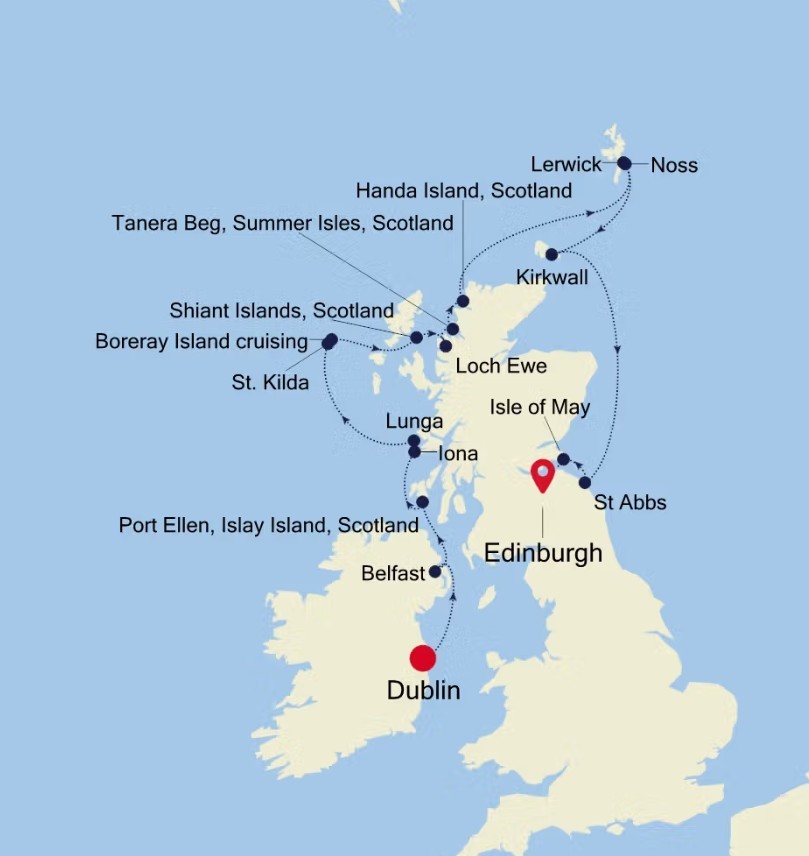
Map