fbpx

13 Days Luxury Mediterranean Cruise – Civitavecchia to Lisbon

13 Days Luxury Mediterranean Cruise – Civitavecchia to Lisbon

From AUD $15,800

Description

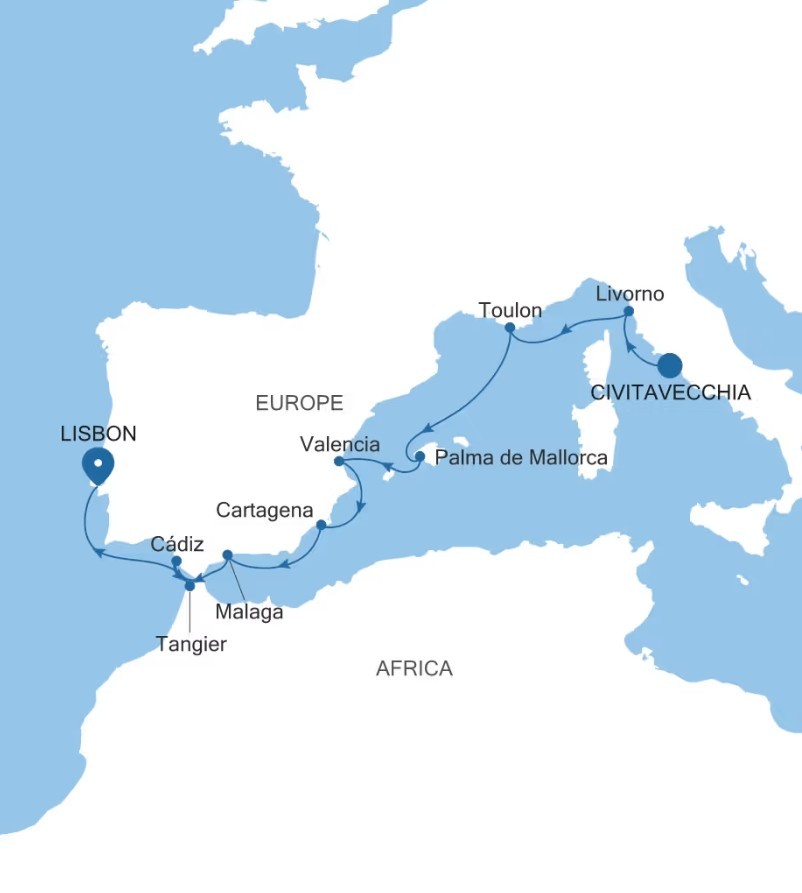
As November turns to December, sail through the storied Mediterranean, amid ancient empires, cultural crossroads, and African and Arabic influences. Italy’s Roman glory, bold tomato tastes, and Renaissance beauty lead you to Provence’s clear light. Visit the Balearics before rounding Spain’s coast of paella and passion. Enjoy an Andalusian immersion of historic ruins and flamenco rhythms, before crossing to Morocco’s gateway of Tangier and concluding in Lisbon.

Trip Name
13 Days Luxury Mediterranean Cruise - Civitavecchia to Lisbon
Days
13
Overview
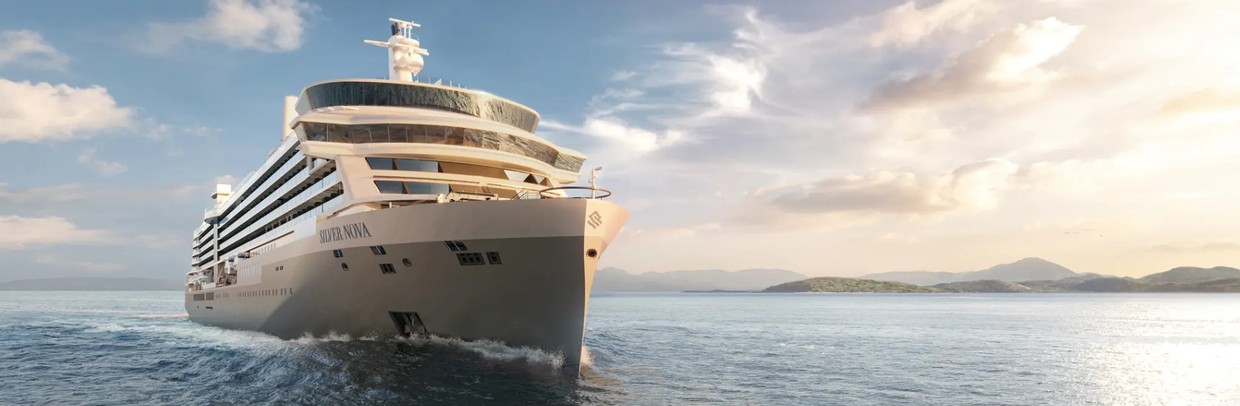
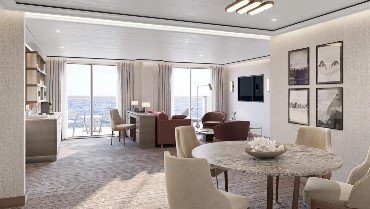
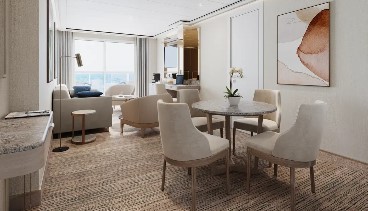
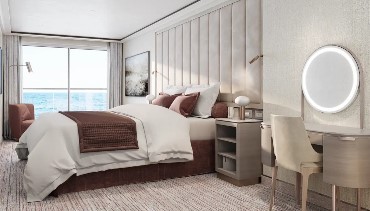
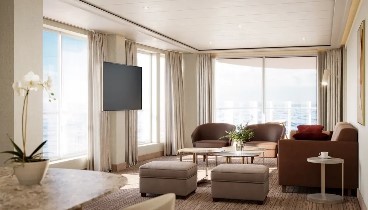
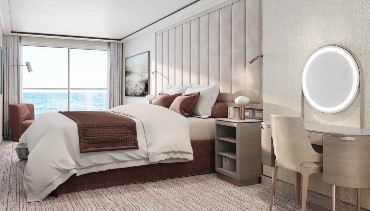
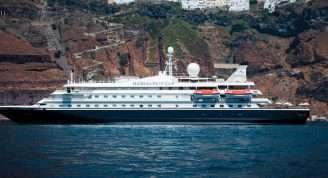
Vessel Type: Luxury Cruise Length:  801 Feet / 244 2 Meters Passenger Capacity: 728 Built: 2022/2023 Silver Nova represents a bold new chapter in luxury and sustainability, joining the fleet in 2023 as one of the most spacious and innovative ships ever built. Designed with an asymmetrical layout that brings the sea and destinations closer than ever, she accommodates up to 728 guests in refined comfort across elegant suites and social spaces. With a gross tonnage of 54,700 and a remarkable space-to-guest ratio of 75 GRT per passenger, Silver Nova offers an unmatched sense of openness and serenity. As Silversea’s most environmentally advanced vessel, she incorporates pioneering green technologies that significantly reduce emissions, setting new standards in sustainable cruising. Guests on Silver Nova can explore an array of beautifully designed venues, from ten distinct restaurants including the immersive S.A.L.T. Kitchen and Chef’s Table, to tranquil lounges, open-air bars, and the fleet’s largest pool deck. Cultural and culinary discovery flow seamlessly through spaces like the S.A.L.T. Lab, where travellers can learn local recipes hands-on, or the Arts Café and Panorama Lounge, perfect for relaxation and connection. With a wealth of elegant amenities—spanning a spa, casino, theatre, and observation library—Silver Nova delivers a transformative travel experience, where luxury, innovation, and sustainability meet in perfect harmony.
Itinerary


Day 1 - Day 1 - Civitavecchia (Rome)
All roads lead to Rome, and with good reason - this city is one of the world's most thrilling, offering unmatched history along every street. An evocative, inspiring, and utterly artistic capital of unrivaled cultural impact, Rome is a city of back-to-back landmarks, which will take you on an exhilarating journey through the ages. This may be one of the world's oldest cities, but it's well and truly lived in. The ruins are punctuated with murmuring cafes, and the outdoor seating of restaurants sprawls out across piazzas, enticing you to sample tangles of creamy pasta and crispy pizzas. Rome's incredible Roman Forum is littered with the ruins of its ancient administrations, which have stood firm for 2,000 years, since the times when the area was the center of the Western world. Few sites are more simultaneously beautiful and haunting than that of the storied Colosseum, which looms deep into Rome's rich blue sky. Take a tour to learn details of the grisly goings-on within. The best way to experience Rome is to wander its streets, gelato in hand. There is a lot to see here - whether it's the domed spectacle of the Pantheon, or the elaborate flowing waters and artistry of the Trevi Fountain. Vatican City is an astonishing, colossal display of Catholic grandeur, while the Spanish Steps - crowned by the Trinità dei Monti church - offer a beautiful spot to gather and soak up the lively atmosphere of this humming city. With so much on the to-do list, you'll relish the breaks you take, enjoying simple pleasures like a strong espresso, or fresh pasta with tomato sauce and ripped basil.
Day 2 - Day 2 - Livorno (Tuscany)
There are few more elegant places to salute the sunset than Terrazza Mascagni, Livorno's refined chessboard piazza. A historic port, and a beachy gateway to Tuscany, Livorno welcomes you ashore to explore this enchanted Italian region's sun-soaked beauty, rich flavors, and world-renowned fine art. Stay in Livorno to explore 'Piccolo Venezia', or - Little Venice - a quarter of the town that's laced with canals, little marble bridges, and plenty of tempting eateries. With its bustling market, fortresses, and iconic waterfront, there is plenty to keep you busy here, but most will be tempted to venture inland to explore more of Tuscany's many charms and artistic wonders. Test your nose, as you breathe in the subtleties of Tuscany's vineyard-draped scenery and visit wineries showcasing the best of the renowned flavors of the Bolgheri wine-growing area. Or head out to Prato, where you'll find tightly woven textile history. Pisa's showpiece tower is within reach, as is Florence's city of immense and imaginative Renaissance beauty. Admire the delicate carving of Michelangelo's masterpiece, the David statue, and note the provocative stance as he casts a dismissive glance towards Rome. Stand before the city's majestic black and white cathedral - the Cathedral of Santa Maria del Fiore - with its colossal brick dome. The view down over Florence's river and grand dome from Piazzale Michelangelo, meanwhile, is one of Italy's finest. However you choose to spend your time in Tuscany, you'll discover an artistic region, filled with beauty designed to appeal to every sense.
Day 3 - Day 3 - Toulon
Home to France’s principal naval base, aircraft carriers, and naval shipyards, Toulon stands apart from the glitzy allure of the rest of the Cote d’Azur. At first glance, its own genuine charms can appear guarded by this military presence but seeking them out is part of the fun. For a city that’s all about the sea, there’s no better place to start than the harbor. With yachts and fishing boats providing an animated backdrop, there are plenty of good restaurants to eat in. It’s also where to find the highly recommended French naval museum, which traces Toulon’s long and often dramatic maritime history. Above the town rises Mont Faron, nearly 600 meters high, offering an overview and is the place for some great photos of this southern French city and turquoise bay below. A cable car takes the effort out of the climb, and nearby is the newly renovated Mémorial du Débarquement et de la Libération de Provence. It tells the moving story of the Allied landings that took place here in 1944. Sea salt breezes mingle with the perfume of lavender and herbs from the marketplaces in the recently restored Old Town. It’s a maze of narrow alleyways that open onto delightful squares like Cours Lafayette. Within easy walking distance of the city center lies the small fishing port Mourillon, with its haut bourgeoise architecture, traditional French market, and sandy beaches. Follow the locals to the wild, secluded beach of Anse de Magaudis it is definitely one of the most beautiful places in Toulon.
Day 4 - Day 4 - Day at sea
Days at sea are the perfect opportunity to relax, unwind, and catch up with what you've been meaning to do. So whether that is going to the gym, visiting the spa, whale-watching, catching up on your reading, or simply topping up your tan, these blue sea days are the perfect balance to busy days spent exploring shoreside.
Day 5 - Day 5 - Palma de Mallorca
A rugged Mediterranean gem, arising out of the rich blue haze, Mallorca is a Spanish island of cuisine, culture, and sun-gorged beaches. Palma de Mallorca is the island's dominating capital and a sand-colored mirage of glorious buildings and living history. Conquered and liberated countless times over the years, since its Bronze Age founding, the city is your gateway to ceaseless Mediterranean beauty, buzzy markets, and intense flavors. Cafes and bars wait close to the sweeping coastline, where you can enjoy strong espressos to kick start the day, or splashes of red Mallorcan wines to round it off. Bicycles trundle up and down the promenade, which invites you to wander in the morning sunshine beside the waves. Dominated by the indefatigable form of Santa María cathedral, which looms over the city and coastline, Palma de Mallorca is drenched in history and culture. The labyrinth of the old town is a cobbled haven, which bustles with dripping ice creams and sun-lashed squares. Settle to try the island's superb cuisine, and savor local ingredients with an exceptional depth of flavor. Something about the sunshine here makes tomatoes extra sharp and delicious, while the seafood is consistently juicy and plump. The creation of the mighty cathedral, Le Seu, began in 1229 and was eventually concluded in 1601. A perfect encapsulation of Palma de Mallorca's blend of the historic and the contemporary, even Gaudi lent his hand to it, and the interior features a spectacular modernist take on the New Testament from artist Miquel Barcelo, which is painted across the chapel's walls. The splendid Royal Palace of La Almudaina fortress stands nearby, a left-behind Moorish footprint of square towers and Arabic archways that now serves as an official summer residence for the King of Spain.
Day 6 - Day 6 - Valencia
Valencia is a proud city. During the Civil War, it was the last seat of the Republican Loyalist government (1935-36), holding out against Franco's National forces until the country fell to 40 years of dictatorship. Today it represents the essence of contemporary Spain's daring design and architecture along with experimental cuisine - but remains deeply conservative and proud of its traditions. Though it faces the Mediterranean, Valencia's history and geography have been defined most significantly by the River Turia and the fertile floodplain (huerta) that surrounds it. The city has been fiercely contested ever since it was founded by the Greeks. El Cid captured Valencia from the Moors in 1094 and won his strangest victory here in 1099: he died in the battle, but his corpse was strapped into his saddle and so frightened the besieging Moors that it caused their complete defeat. In 1102 his widow, Jimena, was forced to return the city to Moorish rule; Jaume I finally drove them out in 1238. Modern Valencia was best known for its frequent disastrous floods until the River Turia was diverted to the south in the late 1950s. Since then the city has been on a steady course of urban beautification. The lovely bridges that once spanned the Turia look equally graceful spanning a wandering municipal park, and the spectacularly futuristic Ciudad de las Artes y las Ciencias (City of Arts and Sciences), most of it designed by Valencia-born architect Santiago Calatrava, has at last created an exciting architectural link between this river town and the Mediterranean. If you're in Valencia, an excursion to Albufera Nature Park is a worthwhile day trip.
Day 7 - Day 7 - Cartagena (Spain)
On the crossroads of mighty cultures, this Murcian port has endless ancient stories to share. A valuable natural harbor attracted many civilizations to this sun-bathed, southeasterly setting - following its foundation by the Carthaginians in 227 BC. Blending the imprints left by countless cultures on this global junction, the presence of everyone from the Vandals to the Phoenicians and Moors can be felt as you explore, walking between ruins and celebrated modernist architecture along Calle Mayor. Cartagena is crowned by the soaring Castillo de la Concepcion - rise to the stout castle aboard a panoramic lift. Inside, look through reams of archaeological treasures, or admire the rolling views down over the port and across the waters. Watch out for the electric blue peacocks who strut flamboyantly. Cartagena's emergence as a visitor destination coincided with a stunning discovery in 1988 - the bowl of a gloriously preserved Roman Theater. Enter to sit among the grandiose ancient venue, so evocative, you can't help but imagine the historic performances that have graced its stage. Wander the breezy waterfront, looking across the narrow strait towards Africa's distant haze, and spotting gleaming warships. Cartagena's perfect harbor means it has been one of Spain's oldest strategic navy positions since the 16th century. Settle to enjoy the joys of tapas in lively bars - sampling crisped paella, squid and honeyed-eggplant. Easter's Semana Santa festivities are typically lively here, as hooded processions, lavish floats, and somber fiery displays roll through the streets.
Day 8 - 8 - Malaga (Costa del Sol)
Bathing in the Sunshine Coast's stunning subtropical climate, and laying out endless spectacular beaches, it's no surprise that Malaga is one of Spain's most popular cities. The already impressive cultural appeal of this holiday city has skyrocketed over recent years, and with a storied old town and Moorish fortifications, Malaga has a lot to offer. Nearby, you can recline on the renowned beaches of the Costa del Sol, or venture inland to discover the Moorish treasures of Granada and Cordoba. La Malagueta beach is Malaga's spacious urban beach, perfect for a sunbathe and a dip in the warm water, before enjoying seaside cocktails or seafood tapas in the restaurants nearby. Malaga and the Costa del Sol may be best known for glorious weather and beaches, but Malaga can now stake a genuine claim as an artistic powerhouse too. Visit the renowned Picasso museum - housed in the artist's birthplace - before exploring the freshly opened outpost of the Pompidou Centre. The art also spills out onto the streets in the colorful Soho district - splashed with vibrant street paintings. Known as La Manquita - or the one-armed woman - the city's cathedral rises over the historic old town. Its huge bell tower stands tall, but an accompanying second tower was never completed - hence the nickname. The Alcazaba fortress palace looms over the waterfront and forms a spectacularly preserved remnant from the era when the Moors controlled the Andalusia region. Discover more of the Arabic influence by visiting Granada's Alhambra palace, or Cordoba's La Mezquita mosque. Together with Seville's converted cathedral, the cities form Andalusia's Golden Triangle of Moorish wonders.
Day 9 - Days 9 - 10 - Cádiz
More than a hundred watchtowers gaze out across the waves surrounding this ancient Andalusian city. Sprinkled with evocative cobbled side streets, you'll explore 3,000 years' worth of history, while stumbling across palm-tree-lined plazas of shaded coffee sippers. Cádiz claims the mantle of Western Europe's oldest city, and every piece of architecture - and every wrong turn - offers a chance to discover fascinating new tales. Founded by the Phoenicians in 1100 BC, Christopher Columbus used the city as a base for his exploratory, map-defining voyages of 1493 and 1502. The port grew in importance and wealth as Cadiz's strategic location close to Africa's northern tip helped it blossom into a center for New World trade. Catedral de Cádiz, is a display of the city's wealth and importance, looming spectacularly over the Atlantic's waves, with cawing seagulls sweeping between its twin bell towers. Inside, treasures from the city's trading exploits in the West Indies and beyond - which helped fuel the growth of this historically prosperous city - are on display. Enveloped by ocean on almost every side, Cadiz has something of an island feel, and you can cool off from southern Spain's unrelenting sunshine on the sweeping golden sand beach of Playa Victoria. The two towers of the new El Puente de la Constitución de 1812 mark a contemporary landmark in this most ancient of cities, in the form of a spectacular new road bridge. Torre Tavira, meanwhile, is the most famous of Cádiz's army of watchtowers, and the highest point in the city. Reach the top for a view of the ocean fringing the city's expanse, and to learn about the towers - constructed so trading merchants could survey the harbor from their lavish homes. The Central Market is a chaotic place of bartering, where flashing knives dissect fresh fish. Stop in at the orbiting bars to enjoy tapas, freshly prepared with the market's produce.
Day 10 - Day 11 - Tangier
Set on the Maghreb coast, Tangier is Africa's outstretched hand to Europe. With its bustling markets and lively waterfront, this city on Morrocco’s north is an energetic and invigorating place and an exciting immersion into an incredible continent. The location, on the highly strategic narrowing of the Strait of Gibraltar, made Tangier a vital Phoenician trading town - and the resulting city is an invigorating mesh of cultures and curiosities. Part of the fun of Tangier is the well-rehearsed dance, as you dodge good-natured hawkers, and this is certainly a place to stroll with confidence and purpose. Delve into the mayhem of the walled Medina of Tangier for a rush of stimulation, as bartering and bantering echoes along the tight alleys. Crowded, noisy, and busy, you'll be sold to with a smile as you wander between stands of colorful spices, dried fruits, and fabrics in this authentic Moroccan marketplace. Refresh and escape the sun with a fresh orange juice - or a sip of mint tea. Close to the city, you can find the Caves of Hercules, a coastal hollow that opens at both ends. The Phoenicians cut a window in the shape of the African continent, which reveals views of the Atlantic's waves, and legend says Hercules rested within its confines. From Tangier, you can also venture inland to the Rif Mountains, where gorgeous Chefchaouen - a village of bright blue alleyways - waits. Punctuated by blooming flowers, the entire town is a beautiful, molded artwork of color, spilling down the mountain like a waterfall.
Day 11 - Day 12 - Day at sea
Days at sea are the perfect opportunity to relax, unwind, and catch up with what you've been meaning to do. So whether that is going to the gym, visiting the spa, whale-watching, catching up on your reading, or simply topping up your tan, these blue sea days are the perfect balance to busy days spent exploring shoreside.
Day 12 - Day 13 - Lisbon
A glorious mosaic of beauty, freedom, and authenticity, Portugal's capital is a stirring artwork of a city. Known for the seven hills it spreads across, and its stirring fado music, Lisbon is a pastel-colored blend of houses and beautiful tile artworks - and this creative city strikes a perfect harmony between natural and manmade beauty. Stroll along Alfama's steep, cobbled streets as you explore one of the city's oldest neighborhoods - where each house and door could be its own photograph. Look for the decorative tiles, with the distinctive blues and whites of Azulejo ceramics, and visit the dedicated museum to learn more. Afterward, wind up to São Jorge Castle, where views out across Lisbon's red rooftops unravel. Just one of many majestic viewpoints, you can also seek out Miradouro da Graça for perhaps Lisbon's finest panorama, with the copper-colored suspension bridge stretching over sparkling water beyond the sea of buildings. The elegant Tower of Belém rises in the Tagus estuary and is a historic defender of these shores. The grand, carved cloisters of Jerónimos Monastery spread out close by, and there's another UNESCO-recognized location close by at Sintra, where a colorful town is set amid thick gardens and towering mountains - capped by the royal Pena Palace. Later, relax and take a quick break to drink Ginjinha, a cherry liqueur made from chocolate cups instead of coffee. Lisboetas have a sweet tooth, and the famous Pastel de Nata's crumbling pastry and caramelized custard topping is the essential accompaniment to any coffee stop.
Day 13 - Please note:
Itineraries are subject to change. 

Trip Dates

StartEndPrice FromRoom Type
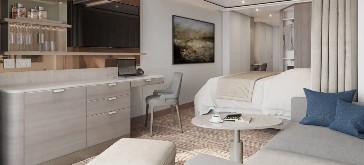
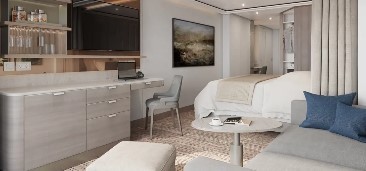
21-11-202703-12-2027AUD $15,800Classic Veranda
21-11-202703-12-2027AUD $16,500Superior Veranda
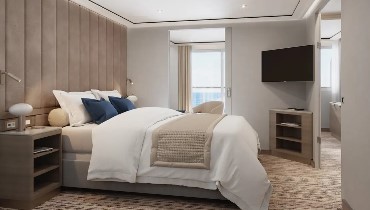
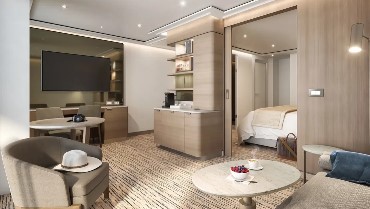
21-11-202703-12-2027AUD $34,000Grand 1 Bedroom
21-11-202703-12-2027AUD $36,200Junior Grand 2 Bedroom
21-11-202703-12-2027AUD $39,100Owner 1 Bedroom
21-11-202703-12-2027AUD $42,600Otium
21-11-202703-12-2027AUD $54,900Owner 2 Bedroom
21-11-202703-12-2027AUD $17,100Deluxe Veranda
21-11-202703-12-2027AUD $17,500Premium Veranda
21-11-202703-12-2027AUD $18,600Medallion
21-11-202703-12-2027AUD $19,700Premium Medallion
21-11-202703-12-2027AUD $22,000Junior Grand 1 Bedroom
21-11-202703-12-2027AUD $24,800Silver
21-11-202703-12-2027AUD $27,200Signature
21-11-202703-12-2027AUD $29,800Master

Inclusions

    • Western Mediterranean circuit linking Roman, Tuscan, Provençal, and Iberian heritage with North African influence.
    • Coastal sequence from Tuscany to Provence, the Balearics, and Spain’s eastern and southern shores before crossing to Morocco.
    • Final Atlantic approach into Lisbon after Andalusian ports, flamenco culture, and historic Cádiz.

Map