fbpx

Andalusia, Morocco and the Canary Islands Small Ship Cruise

Andalusia, Morocco and the Canary Islands Small Ship Cruise

From EUR €6,790

Description

This cruise combines the sensuality of Andalusia with the charm of North Africa and the magic of the Canary Islands. Experience sunny destinations in October on a varied route full of indulgence, history and dramatic landscapes.

Trip Name
Andalusia, Morocco and the Canary Islands Small Ship Cruise
Days
13
Overview
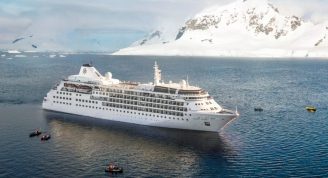
Vessel Type: Expedition Length: 138 m Passenger Capacity: 230 Built: 2021 The expedition class combines the thrill of true exploration with the comfort of luxury cruising. Aboard the small yet ultra-modern expedition ships HANSEATIC nature, HANSEATIC inspiration, and HANSEATIC spirit, a maximum of 230 guests can venture deep into some of the world’s most remote and captivating regions — from icy polar landscapes to tropical islands. These vessels are purpose-built for discovery, featuring advanced technology, the highest ice class for passenger ships (PC 6), and an expert team of scientists and expedition leaders who turn every journey into an enriching experience. Whether gliding through ice fields, landing by Zodiac in untouched bays, or learning from onboard experts, guests are immersed in nature and culture at their purest. With over 30 years of expedition expertise, these voyages redefine adventure travel by blending knowledge, comfort, and sustainability. Guests enjoy world-class dining, elegant suites, and warm, attentive service while exploring regions inaccessible to larger ships. Every itinerary is designed to uncover hidden corners of the planet safely and respectfully — leaving only traces of curiosity behind. From close-up wildlife encounters to champagne toasts beside icebergs, each journey promises rare experiences and unforgettable memories, guided by a crew whose passion for discovery is matched only by their dedication to comfort and care.

Itinerary


Day 1 - Day 1 Seville/Spain (subject to the tides) Overnight stay on board
a:0:{}
Day 2 - Day 2 Seville/Spain, departure 18.30 hrs Cruise on the Guadalquivir
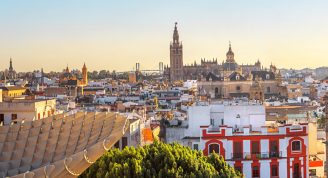
The colourful hustle and bustle of life in Seville is all about sunshine, light and happiness. Enjoy the charm of Andalusia with all your senses in this Moorish city, where history and passion fill the streets with life. Discover the exceptional diversity of the city’s impressive architecture, such as Santa Maria de la Sede Cathedral with its five naves, the Giralda view point or the Moorish Alcazar royal palace, all UNESCO World Heritage Sites. The old town is a treat for the eyes, while the scent of jasmine fills the narrow streets. The Triana district is the heartbeat of flamenco life drifts along on the riverbanks of the Guadalquivir. The city also has plenty of culinary treats on offer: the tapas bars are a great place to try jamon, tortilla and Manzanillo olives. Seville is not just a city, it’s also a feeling – warm, lively and timeless.An experience that’s only possible on a small expedition ship like with Hapag-Lloyd Cruises: a cruise on the Guadalquivir.. Just like Colombus, who set off along the river from Seville on his journey of discovery to America, you will follow this lifeline. This is pioneering spirit at its most relaxing, as you watch the beautiful scenery go by, accompanied by the knowledgeable commentary of our experts. Enjoy the views of the fertile riverbanks, with meadows, forests and vast olive groves. Not only is the Guadalquivir a wonder of nature, it also has major historical significance, from the Moorish heritage of Andalusia to the Romans who used the river.
Day 3 - Day 3 Cadiz/Spain, 06.00 – 18.00 hrs
The white buildings of Cadiz appear on the horizon, while the golden domes of the cathedral reflect the bright blue sky. The screeches of seagulls and the sound of the waves are carried on the wind. Cadiz, with its history dating back over 3,000 years, was once a lively trading centre. Today, the city retains its pride in its majestic palaces, the Miradores, which offer a breathtaking view over the endless sea. In the old town, narrow streets wind their way through the historic quarter, where the tempting aroma of freshly prepared tapas wafts from street cafes and the colourful hustle and bustle of life seduces the senses. On the long sandy beach, you can unwind and use the time to relax.
Day 4 - Day 4 Puerto Banus (Marbella)/Spain, 08.00 – 22.00 hrs
Built in the 1970s as an exclusive marina with Andalusian-inspired architecture, Puerto Banus combines traditional white facades, wrought-iron balconies and narrow cobbled streets with international luxury. The design did not follow a faceless jet-set style, but was deliberately intended to resemble an Andalusian village – a concept that remains unique to this day. Marbella is just under 7 km (4.3 mi.) away: originally founded by the Phoenicians, in the mid-1950s the city started to become a meeting point for the international jet set. Prince Alfonso of Hohenlohe made the Marbella Club the place to be and in the 1970s Arab aristocrats like the Saudi King and the Emirs of Abu Dhabi and Qatar arrived in town. Today, the newly renovated seafront promenade and the charming little streets around the Plaza de los Naranjos are a great place for a stroll. Numerous bars, restaurants and luxury boutiques add to the special atmosphere of Marbella – which you can enjoy until late in the evening.
Day 5 - Day 5 Almeria/Spain, 08.00 – 19.00 hrs
Almeria is nestled in a wide bay, framed by the mountain ranges of the Sierra de Gador, the Sierra Alhamilla and the majestic Sierra Nevada with peaks over 3,000 m (9,842 ft) high. The impressive Moorish Alcazaba towers over lively, narrow streets and whitewashed houses. The city also delights visitors with its historic harbour, the modern Museum of Almeria and the baroque cathedral, which also served as a fortress. Numerous squares, small cafes and bustling markets lend the old town its authentic charm.
Day 6 - Day 6 Melilla/Spain, 07.00 – 17.00 hrs
Melilla, the Spanish enclave on the North African coast, is an exciting European-African melting pot. Shaped by the Phoenicians, Romans and Moors, and belonging to Spain since 1497, the city looks back on an eventful past. The old town of Melilla la Vieja is one of the most impressive fortifications on the Mediterranean, with massive walls and winding streets that tell the story of centuries past. Architecture enthusiasts will also discover a little-known art nouveau gem: numerous magnificent buildings designed by Gaudi’s pupil Enrique Nieto give Melilla its distinctive cityscape.
Day 7 - Day 7 Gibraltar/Great Britain, 08.00 – 24.00 hrs
At the southern end of the Iberian Peninsula, the striking Rock of Gibraltar greets all seafarers from afar. Right at the foot of the monolithic limestone rock lies a fascinating piece of Great Britain: Gibraltar. Red telephone boxes, teatime and double-decker buses give the city its typical English charm. The lighthouse in the south offers breathtaking views across the sea to Africa. The free-roaming Barbary macaques, which can be found here, are unique in Europe – according to legend, Gibraltar will remain British as long as they are there. But be careful, as it’s better not to feed the cheeky animals. Gibraltar combines history, nature and British flair, offering visitors a unique experience.
Day 8 - Day 8 Tangier/Morocco, 06.00 – 17.00 hrs
Tangier is a Moroccan port city on the Strait of Gibraltar. The city, whose origins date back to the fifth century BC, is captivating with its lively medina and busy markets offering traditional handicrafts. The kasbah with its impressive Bab el Kasbah gate rises up over the city and offers fascinating insights into the past. You get a sense of a wide variety of influences in the narrow streets – from the Carthaginians to the Romans and the Moors, all have left the marks of their different cultures.
Day 9 - Day 9 Casablanca/Morocco, 08.00 – 17.00 hrs
Modern life and historic charm go hand in hand in Casablanca. The lively metropolis is Morocco’s economic centre and offers an exciting mix of Arab or Muslim heritage and remnants from the French colonial period. The old town, also known as the medina, is inviting with its winding streets and numerous bazaars to wander around, while the art deco district and the Corniche promenade show the city’s modern side. At the end of the Corniche, you will see the majestic Hassan II Mosque and its minaret rising about 210 m (689 ft) into the blue sky: one of the largest mosques in the world, its architectural beauty and the glorious marble of the huge prayer hall are impressive.
Day 10 - Day 10 Relaxation at sea
a:0:{}
Day 11 - Day 11 Lanzarote/Spain, 08.00 – 16.00 hrs
Lanzarote, the most north-easterly of the Canary Islands, is a real gem for explorers. In the 18th century, huge lava flows covered large areas of land and transformed the fertile earth into a bizarre black desert The black volcanic landscape in the Timanfaya National Park reveals the magic of active volcanoes with its bizarre crater formations. Semi-circular stone walls made of lava rock surround the vineyards, revealing how the vines thrive here despite the wind and arid soils. The dramatic volcanic landscape, the whitewashed houses of the inhabitants and the breathtaking coastlines and sandy beaches create a wonderful contrast. Away from the main tourist tracks, charming fishing villages invite you to experience the authentic character of the island. Immerse yourself in a world of colour on Lanzarote, which has provided the inspiration for a number of artists.
Day 12 - Day 12 La Gomera/Spain, 10.00 – 20.00 hrs
The colour of La Gomera is green – in all its beautiful shades. The second smallest island in the Canaries is a world full of unspoilt nature and wild beauty. The densely forested Garonjay National Park*, a UNESCO World Heritage Site, is truly impressive. In this mysterious cloud forest of ancient laurel trees, time seems to stand still, while waterfalls and moss-covered paths invite you on some magical hikes. The coastline features steep cliffs, black beaches and hidden bays. The colonial centre of the small town of San Sebastian is ideal for an independent stroll to visit the Casa de Colon: the site of a previous house where Colombus once stayed, it is now a museum devoted to the nautical history of La Gomera. Another special feature of the island is its unique language: in the past, the people of La Gomera used the El Silbo language, a system consisting of whistling sounds, to communicate over large distances.
Day 13 - Day 13 Santa Cruz/Tenerife/Spain, arrival 06.00 hrs
a:0:{}
Day 14 - Please note:
Itineraries are subject to change. 

Trip Dates

StartEndPrice FromRoom Type
16-10-202728-10-2027EUR €6,790Outside Cabin. From
16-10-202728-10-2027EUR €7,170Panoramic Cabin. From
16-10-202728-10-2027EUR €7,940French Balcony Cabin. From
16-10-202728-10-2027EUR €8,620Balcony Cabin. From
16-10-202728-10-2027EUR €11,970Junior Suite. From
16-10-202728-10-2027EUR €16,290Grand Suite. From

Inclusions

    • Spanish and Arabian contrasts – from Moorish heritage to Gibraltar
    • Extended stopover in Seville – ideal for culture, cuisine and flamenco
    • North African flair: life amidst mosques, hammams, souks and crafts
    • Pure nature: hiking past volcanoes and forests in the Canary Islands
    • Gourmet cruise for all the senses – from tapas and sherry to tagine and mint tea

Map