fbpx

The Eastern Archipelago: Exploring Japan and the Philippines

The Eastern Archipelago: Exploring Japan and the Philippines

From AUD $17,150

Description

Two island nations, one extraordinary voyage. Sail through the wild, sun-drenched southwestern reaches of Japan — where the Ryukyu archipelago dissolves into turquoise waters and each island reveals something entirely unexpected — then cross open ocean into the Philippines and explore an ancient, untouched coastline that few expedition ships ever reach. From Hiroshima to Manila, this is Japan and the Philippines at their most remote and most beautiful.

Trip Name
The Eastern Archipelago: Exploring Japan and the Philippines
Days
12
Overview
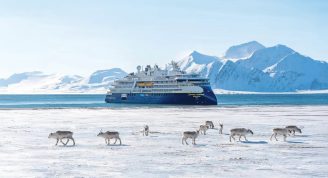
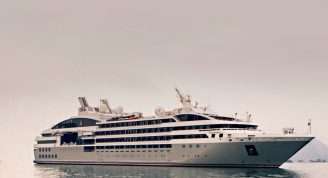
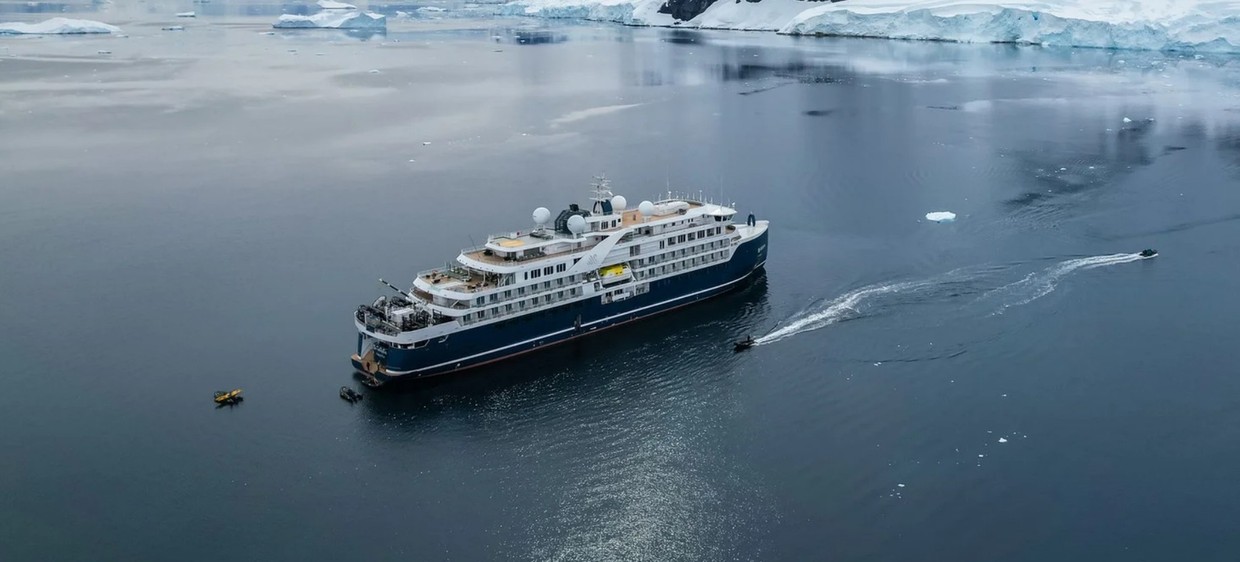
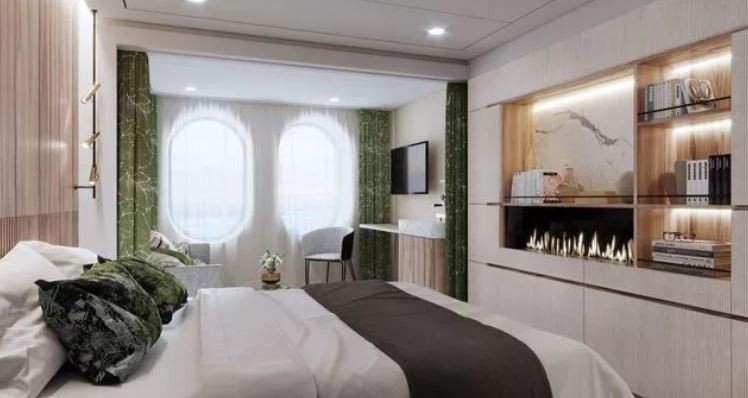
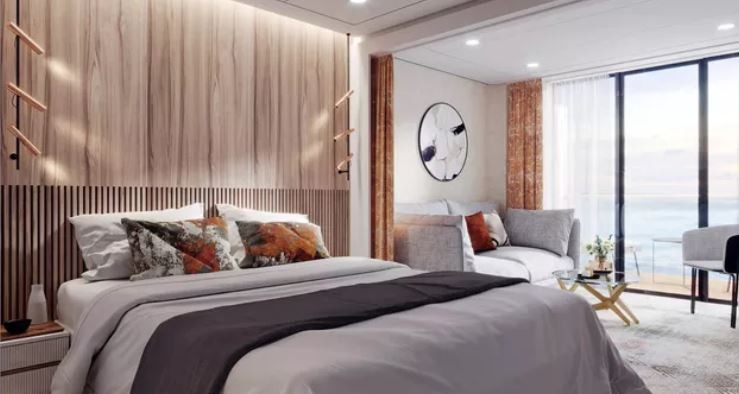
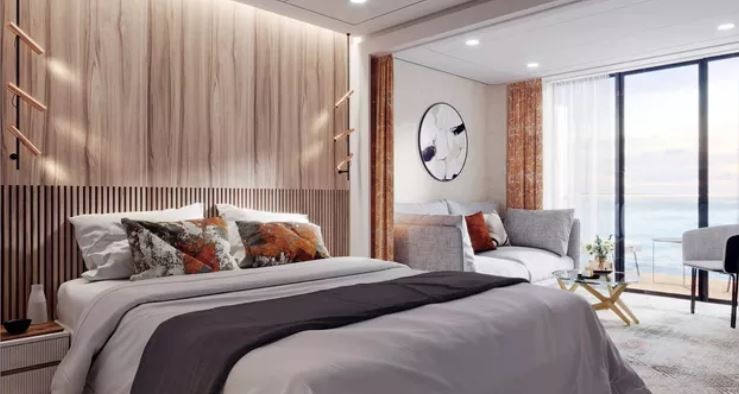
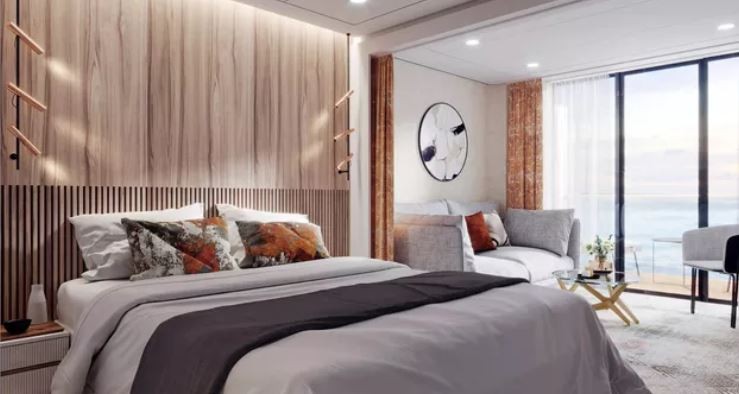
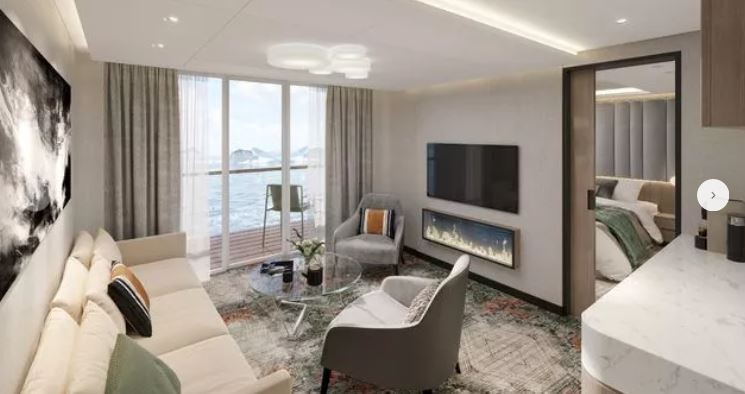
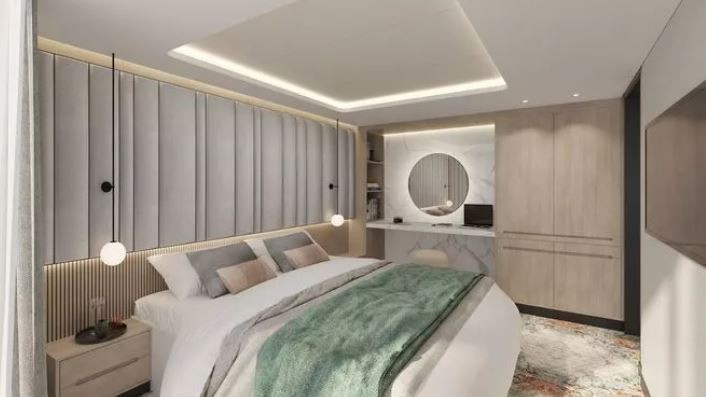
Vessel Type: Expedition Ship Length: 115 meters Passenger Capacity: 158 Built: 2020-2021 The SH Minerva is a boutique expedition ship purpose-built for exploring far-flung destinations and remote polar regions in comfort and style. Crafted at Finland’s esteemed Helsinki Shipyard, she features a Polar Class PC5 ice-strengthened hull and advanced stabilisers, ensuring smooth sailing even in challenging waters. With just 158 guests served by 122 crew across nine decks, the atmosphere on board is intimate and welcoming. Elegant Scandinavian-inspired interiors, panoramic observation spaces, and a range of facilities – from the stargazing deck and library to the spa, heated outdoor pool, and fine dining venues – make every moment at sea a pleasure. Accommodation ranges from well-appointed oceanview staterooms to spacious premium suites, each offering thoughtful touches such as a flame-effect fireplace, Illy espresso machine, luxury toiletries, and complimentary binoculars for wildlife spotting. Many feature private balconies for uninterrupted views of the passing scenery. Attentive crew provide a warm, personalised service, ensuring that every guest feels at home while enjoying a journey that blends adventure with refined comfort. Whether navigating icy channels or gliding into sunlit harbours, the SH Minerva offers an unforgettable cruising experience.
Itinerary


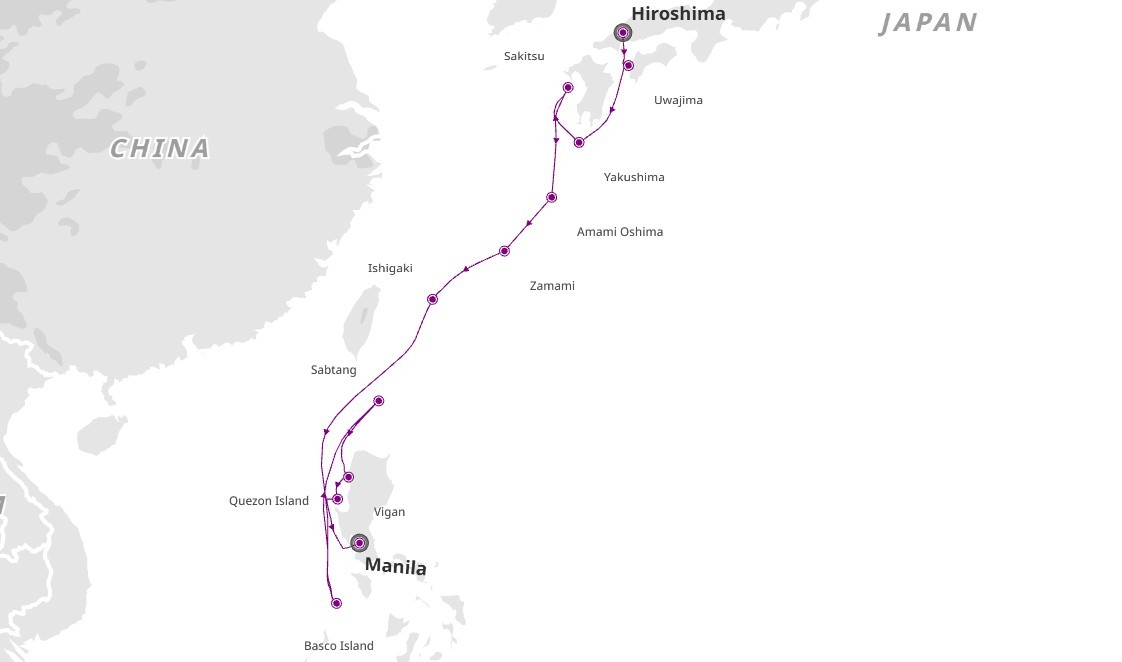
Day 1 - Day 1 Hiroshima
Hiroshima is a city of peace and resilience. The Hiroshima Peace Park and Museum, designated a UNESCO World Heritage Site, vividly portrays the aftermath of the atomic bombing. Designed by Kenzō Tange and inaugurated in 1955, the museum serves as a global symbol of peace, featuring a solemn cenotaph bearing the victims' names and the Flame of Peace, lit in 1964. The Genbaku Dome stands as the sole original structure left at the blast site
Day 2 - Day 2 Uwajima
Uwajima, a bustling coastal city, is anchored by the elegant Uwajima Castle, one of twelve Edo-period survivors, with spectacular cityscapes for hikers ascending to its keep. The Tensha-en Garden is a tranquil space with bamboo groves, towering culms and seasonal blooms. In the nearby village of Uchiko, the Old Quarter's streets are lined with well-preserved wooden houses and merchant buildings, frozen in time from the 18th and 19th centuriesShow less
Day 3 - Day 3 Yakushima Island
Yakushima Island rises from the sea in deep greens and mist. Recognized as a UNESCO World Heritage site, the island is home to some of Japan’s oldest trees, their gnarled forms wrapped in moss and memory. Along its trails, waterfalls emerge from dense foliage, and the air carries a sense of stillness that invites unhurried exploration. Yakushima offers a rare encounter with nature at its most enduring and contemplative
Day 4 - Day 4 Sakitsu
Sakitsu Village, on the Amakusa Islands in western Kumamoto, is a UNESCO World Heritage Site tied to Japan’s Hidden Christian history. Once a secret hub of worship during prohibition, it’s home to Sakitsu Church, known as the “Church of the Sea,” with a European Gothic exterior and rare tatami-mat interior. The village’s story is further told at the Minato-ya Museum, which displays artefacts used to practice the faith in secret
Day 5 - Day 5 Amami Oshima Island, Naze
Dreamy beaches, mangroves and cerulean seas make up the Amami Islands. The largest, Amami Oshima, was part of the Ryukyu Kingdom before brief US control after WWII. The Tanaka Isson Memorial Museum in Amami Park displays works by the late painter who lived here. Pristine beaches like Tomori have colourful marine life, while in the south, rivers weave round the Mangrove Primeval Forest, and rugged cliffs and giant pebbles hug the Honohoshi Coast
Day 6 - Day 6 Zamami Island
One of the Kerama Islands, a small group lying 40 kilometres west of Okinawa. The Keramas were designated a national park in 2014 in recognition of water clarity that ranks among the highest measured anywhere in the world — a consequence of weak currents and minimal agricultural runoff. Humpback whales move through the surrounding waters between January and March. The village of Zamami, on the island's north coast, is small enough to walk in an hour, with a local history museum and a ridge trail that opens onto views of the surrounding island chain
Day 7 - Day 7 Ishigaki, Ishigaki Island
The main island of the Yaeyama group, at the southwestern edge of the Ryukyu archipelago. Ishigaki town serves as the administrative hub for a scattering of islands that extends almost to Taiwan, but the island itself rewards time on foot: the Banna Park ridge gives views across the East China Sea, and the waters around the island contain some of the most intact coral reef systems in Japan, including regular sightings of manta rays in the channel off Kabira Bay
Day 8 - Day 8 Day at sea
Sea days are rarely dull. Take the time to sit back and let the world go by. The ship’s observation decks provide stunning views of the passing ocean. A day at sea gives you the opportunity to mingle with other passengers and share your experiences of this incredible trip or head to our library which is stocked full of reference books. Get an expert’s view in one of our on-board lectures or perhaps perfect your photography skills with invaluable advice from our onboard professional photographers
Day 9 - Day 9 Batanes Islands, Sabtang Island
A small island with a rustic vibe, Sabtang is one of four main inhabited islands of Batanes and features peaceful sandy beaches backed by verdant cliffs. Browse traditional products like woven baskets and the local berry wine. For a moderate hike, wind your way up occasionally steep, grassy ridges to breathtaking seascapes at the Chamantad-Tinyan Viewpoint. On Morong Beach, photogenic Mahayao Arch is a massive natural rock formation
Day 10 - Day 9 Batanes Islands, Basco Island
Batanes, the Philippines’ northernmost province with capital Basco, was first occupied by Japan in WWII, leaving behind the hand-carved Dipnaysuhuan Tunnel, cut from volcanic rock. Today, Batanes is celebrated for its Ivatan heritage, with a resilient culture shaped by isolation and storms, reflected in its century-old stone houses. Diura Fishing Village showcases this enduring spirit, where traditional Ivatan fishing rituals continue today
Day 11 - Day 10 Salomague Harbour (Vigan)
The Philippines' best preserved colonial town, the UNESCO-listed 16th century Vigan City lies an hour south of Salomague port. Vigan's unique fusion architecture blending Philippine, Chinese and European elements has "no parallel in East and Southeast Asia" per UNESCO. Cobblestoned Calle Crisologo is the lively main street of the Mestizo district, with its broad promenade (malecón), horse-drawn carriages and rustic mansions
Day 12 - Day 11 Quezon Island, Hundred Islands
Hundred Islands National Park in the Lingayen Gulf of the Philippines has 124 islands known for their unique mushroom shapes, formed from ancient seabeds influenced by shifting sea levels. Conservation efforts like giant clam replanting aim to protect the marine environment, once traversed by Spanish galleons. Governor's Island has a deck with a statue of St. Joseph and is the jump point for the 546m island-to-island zipline
Day 13 - Day 12 Manila
Arrive in Manila today. The capital of the Philippines is a teeming, sprawling metropolis. Its flaws are no match for its creative, exciting energy, which infused everything from its art to food. There’s so much to see and do here: the city’s museums, Fort Santiago, San Agustin Church and the Chinese Cemetery are some of the highlights. Intramuros – the old Spanish walled town at the heart of the city – is unmissable. Explore if timings allow and be sure to sample some Filipino cuisine in all its bold sour, sweet and tangy glory. Alternatively, head straight to your home for the next several days. After a seamless check-in, settle into your cabin or stateroom and take time to explore your ship’s luxurious facilities
Day 14 - Please note:
Itineraries are subject to change. 

Trip Dates

StartEndPrice FromRoom Type
13-10-202824-10-2028AUD $0Oceanview D4
13-10-202824-10-2028AUD $0Oceanview M4
13-10-202824-10-2028AUD $0Balcony D5
13-10-202824-10-2028AUD $0Balcony M5
13-10-202824-10-2028AUD $0Balcony D6
13-10-202824-10-2028AUD $0Suite
13-10-202824-10-2028AUD $0Premium Suite

Inclusions

    • Islands at the Edge of Asia
    • From colonial Vigan to the stone villages of Batanes and the limestone islets of the Hundred Islands — three utterly different faces of the Philippines in one voyage.
    • Natural Walks
    • Enjoy expert-led excursions to historic landmarks, serene temples, and national parks.
    • The Other Side of Japan
    • Experience southern Japan at its most contrasting — Sakurajima's active volcano, the sacred stillness of Sakitsu, and the profound quiet of Hiroshima's Peace Park
    • Expert-led Talks
    • Learn more about this isolated polar region from our on board team of experts.

Map