fbpx

23 Days Transatlantic Luxury Cruise – Puerto Williams to Walvis Bay

23 Days Transatlantic Luxury Cruise – Puerto Williams to Walvis Bay

$023WSS 0 0
Call for Price

Description

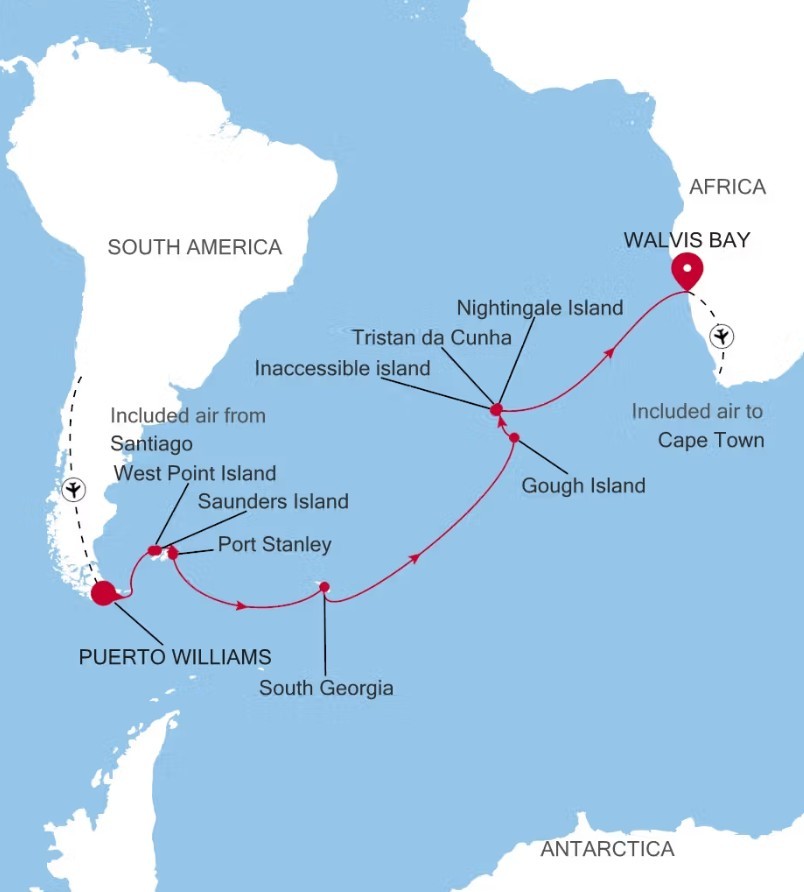
Set sail from Puerto Williams on one of the most ambitious expeditions available — traversing the South Atlantic in search of history, wildlife, and true isolation. Explore the Falkland Islands’ penguin and albatross colonies, then spend four days surrounded by South Georgia’s snowy peaks and king penguin colonies. Sail into true remoteness, exploring Tristan da Cunha, Nightingale, and Inaccessible Island, arriving three weeks later at Africa’s Skeleton Coast.

Trip Name
23 Days Transatlantic Luxury Cruise - Puerto Williams to Walvis Bay
Days
23
Overview
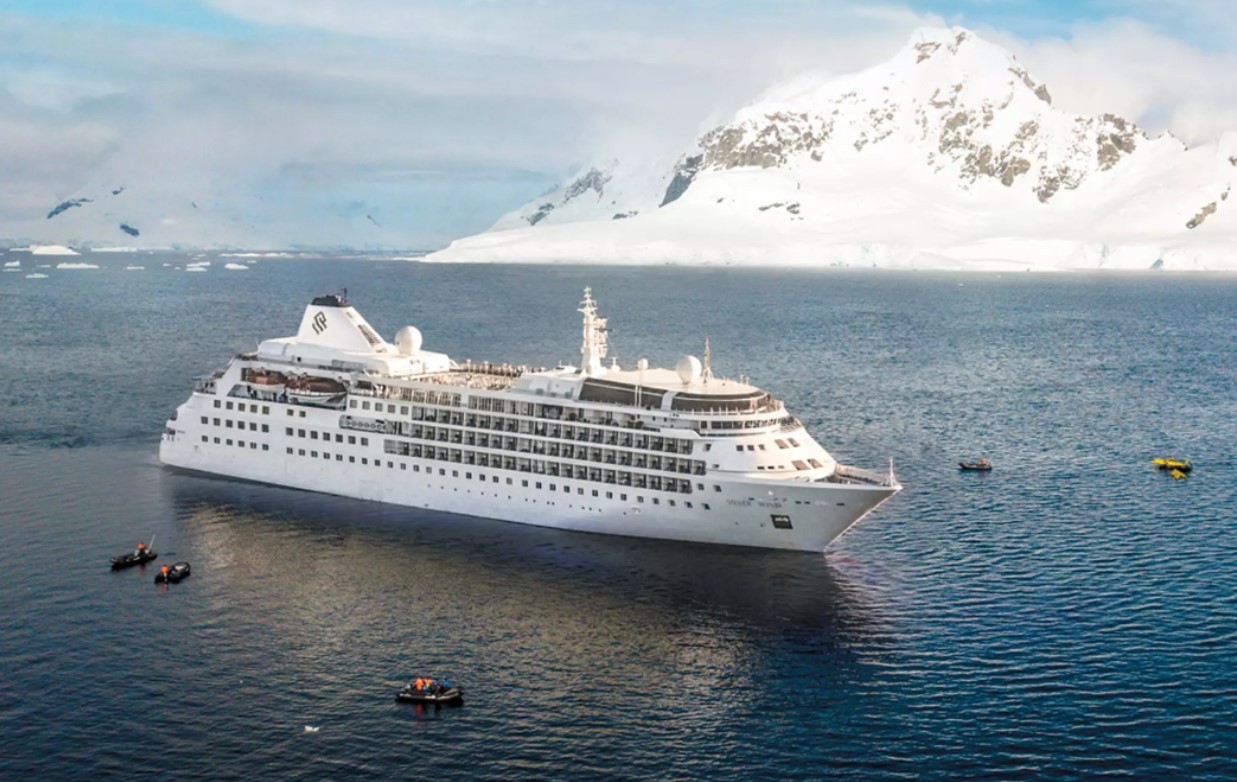
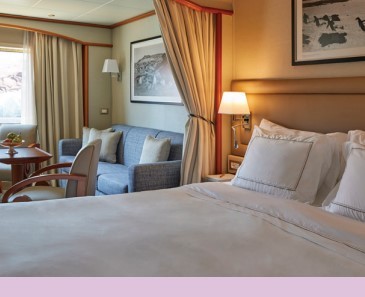
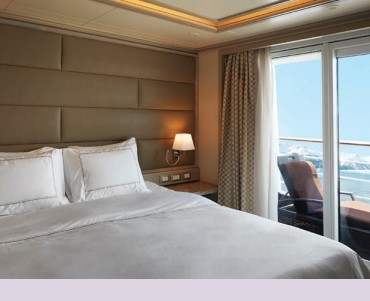
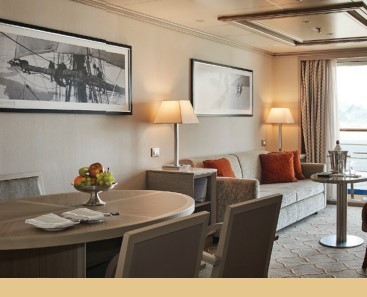
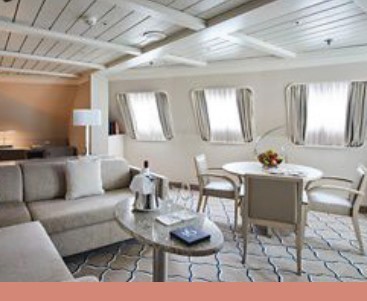
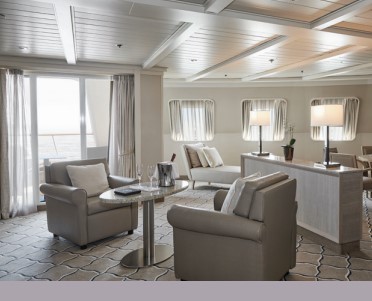
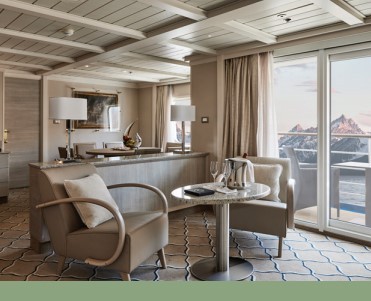
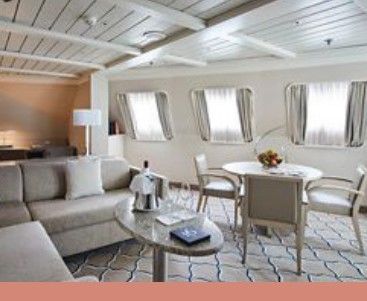
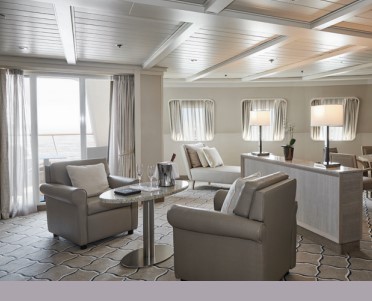
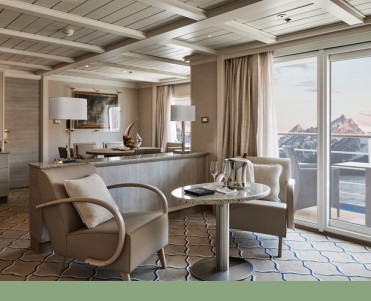
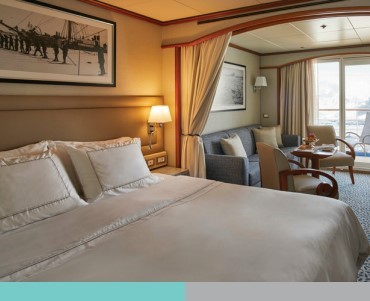
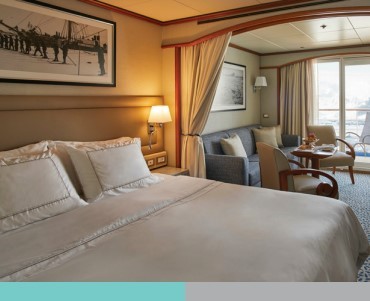
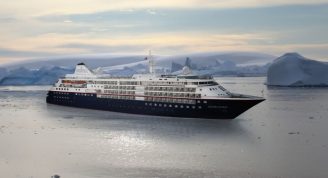
Vessel Type: Small Luxury Cruise Ship Length: 156.7 metres Passenger Capacity: 274 Built: 1995 / Refurbished: 2021 Silver Wind is a refined and versatile expedition cruise ship, combining classic Silversea elegance with cutting-edge expedition capability. Following a major refurbishment in 2018 and a further upgrade in 2021, Silver Wind now boasts a strengthened ice-class hull, making her equally at home in the Polar Regions and sun-drenched tropical ports. With a guest capacity of just 274 and an exceptional crew-to-guest ratio, she offers personalised, attentive service in a luxuriously relaxed setting. Her 24 Zodiac® boats provide a superb platform for immersive exploration, whether spotting wildlife in Antarctica or cruising remote coastlines in comfort. Onboard, guests enjoy a wealth of elegant public spaces and all-suite accommodation, ranging from the spacious Owner’s Suite to the cosy yet stylish Vista Suites. Culinary experiences abound, from authentic Italian cuisine at La Terrazza to open-air dining at The Grill and fine French fare at La Dame. Silver Wind also features multiple lounges, a pool deck, a full-service spa and salon, a fitness centre, and the inviting Observation Library. With its boutique luxury atmosphere, wide-ranging destinations, and upgraded expedition capabilities, Silver Wind offers one of the most adaptable and indulgent cruise experiences at sea.
Itinerary


Day 1 - Days 0 - 1 - Puerto Williams & Pre Cruise
Pre Cruise Benefits - Hotel, Charter flightsPuerto Williams is a Chilean city located on Navarino Island on the southern shores of the Beagle Channel. It claims to be the “southernmost city in the world”, however owing to its small size – 2,500 residents approximately – the much larger Argentinean city of Ushuaia, which sits on the northern side of the same channel, also claims that title. The surrounding scenery is magnificent. The wild windswept mountains rise above the tree line and are regularly dusted with snow. The city itself has the dramatic backdrop called “Dientes de Navarino” (literally “teeth of Navarino”), which rivals the famous Torres del Paine further to the north. The area was originally used by the Yaghan people, hunter-gatherers who despite enduring the harsh regional climate, could not weather the arrival of Europeans. The current city was established as a naval base in 1953 and honors the British-Chilean naval commander John Williams Wilson of the 19th century. Initially it served to protect territorial possessions and fishing rights of the area, as well as offering logistical support to Antarctic bases. More recently it has become a departure point for scientific and tourism trips to the Antarctic region. In contrast to the bustle and traffic of a very commercial Ushuaia, Puerto Williams offers a quieter, more relaxed experience. It charms the visitor with a small village feel, complete with rustic buildings and the homely smell of drifting wood smoke. A haven of peace at the end of the world.
Day 2 - Day 2 - Day at sea
Days at sea are the perfect opportunity to relax, unwind, and catch up with what you've been meaning to do. So whether that is going to the gym, visiting the spa, whale-watching, catching up on your reading, or simply topping up your tan, these blue sea days are the perfect balance to busy days spent exploring shoreside.
Day 3 - Day 3 - West Point Island
A north-westerly outpost of the scenic Falkland Islands, you'll be welcomed ashore by the calls and cries of a huge colony of black-browed albatross. Indeed, the island was originally known as Albatross Island before being renamed to reflect its geographic location. While the albatrosses - that flash white feathers in the rugged cliffs above the waves - are the most well-known residents, they are far from the only animal inhabitants of this remote, isolated land. A huge army of birdlife calls the island sanctuary home, overwhelming the tiny human population and sheep that roam West Point Island's grasses. Meet the rockhopper penguins who scamper and burrow along the coast's boulders, as well as the imperial cormorants who rest here in great numbers. You're also likely to encounter Magellanic penguins during your explorations. Hike the island's quiet landscapes and look out for endemic plants like Felton's flower carpeting the green interior. Decorated with some of the archipelago's most dramatic scenery, explore this wind-lashed, distant land of soaring cliffs and towering coastal precipices. Cliff Mountain is the island's standout - a towering sandstone monolith, and the archipelago's highest cliff, falling away to swirling waves below. Look out to the waters to spot Commerson's dolphins chasing each other around the island's wave-washed footprint. Whales also visit, as well as the fur seals who you may spot lounging around West Point Island's inviting shores.
Day 4 - Day 3 - Saunders Island
Meet some of the world’s most incredible wildlife, on the remote Saunders Island. Sitting to the north-west of the Falkland’s archipelago, the British established their first settlement here in 1765, at Port Egmont. Remote, wild, and wonderful, the island now serves as a lush grazing ground for plenty of sheep - but it's an astonishing place to encounter far rarer animals - from elephant seals to silvery grebes and Peale’s dolphins. Connected by sinewy links of beach and sandy dunes, which create some of the most dramatic scenery in the Falklands, the archipelago’s fourth biggest island is home to its best birdlife - including a colony of neatly tuxedoed king penguins. Saunders Island's topography tightens at The Neck - where you'll find even more penguin activity. Colonies squark and chatter in huge crowds here, with Gentoo, Rockhopper, and Magellanic penguins dipping into the water, and clambering over boulders. A gentle hike to the summit of Mount Richards will take you 457 meters above sea level, offering an expansive overview, from which you can look out across the tips of the moody waves to see Carcass Island and West Point Island emerging. The cliffs to the north of the mountain host rare black-browed albatross - a sight of sheer grace in flight - but comically clumsy at times when landing. Elsewhere, wide lakes are home to various water birds - including the rare black-necked swans. 
Day 5 - Day 4 - Port Stanley
Despite it being a stalwart of Britishness, Stanley more resembles Patagonia than Portsmouth. But, despite the windswept, vast, and achingly beautiful landscape of the Falkland Islands, don't be too surprised to find the odd pub serving ales and even fish'n'chips. While landmarks such as Christ Church Cathedral, with its whalebone arch, are 100% local, there is a also good smattering of imported garden gnomes and Union Jacks to remind you whose territory you are really on. The Falkland Islands’ ownership has long been a matter of controversy, ever since colonization in the 18th century. At various points in their life they have been considered French, British, Spanish, and Argentine. The Falklands War in 1982, despite only lasting for a short while, proved that the Brits clung to this remote outpost and the islands remain part of the British Commonwealth today. Margaret Thatcher, under whom the war was masterminded, remains something of a local hero as can be seen in the street signs (such as Thatcher Drive). For those who want to dig deeper into the past, the Historic Docklands Museum provides lots of information on the chequered historical and political background of the Falklands. However, the true heroes of Stanley are of course the thousands and thousands of penguins. Five species nest here during mating season (including the rare rockhopper penguin). There are virtually no barriers between you and the wildlife; allowing for a truly interactive, authentic, and totally unforgettable experience.
Day 6 - Day 5 - Day at sea
Days at sea are the perfect opportunity to relax, unwind, and catch up with what you've been meaning to do. So whether that is going to the gym, visiting the spa, whale-watching, catching up on your reading, or simply topping up your tan, these blue sea days are the perfect balance to busy days spent exploring shoreside.
Day 7 - Days 6 - 9 - South Georgia
Charcoal-black mountains ladled with snow, giant glaciers, and thriving wildlife combine to make South Georgia one of the great natural islands. Adventure to these far-flung lands - where the animals are in charge and humans come a distant second. Here you'll witness a cacophony of calling birds, natural set pieces like elephant seals clashing and thrashing, and crowds of colorful king penguins stretching out as far as the eye can see. An overseas territory of the UK, these isolated, subantarctic islands once formed a remote whaling center - and you can still visit the former whaling stations. Nowadays the giants of the sea are free to cruise the icy waters uninhibited. Written into explorer history due to its links with Ernest Shackleton’s tale of Antarctic exploration, shipwreck, and survival, the Endurance’s crew were saved when he reached the salvation of these shores in 1916 - before returning to collect the remaining sailors from Elephant Island. A museum commemorates the legendary mission, and you can see the memorial to Shackleton that stands over his final resting place on this fabled island. South Georgia’s colonies of king penguins - with vivid bursts of yellow and orange around their necks - stand, squabble, and curiously investigate, enjoying the isolated respite of this island. They’re joined by smaller penguin species like Macaroni penguins, and other glorious birdlife like the majestic wandering albatrosses, which you can see gliding on gusts of wind, over the choppy waves.
Day 8 - Days 10 - 12 - Day at sea
Days at sea are the perfect opportunity to relax, unwind, and catch up with what you've been meaning to do. So whether that is going to the gym, visiting the spa, whale-watching, catching up on your reading, or simply topping up your tan, these blue sea days are the perfect balance to busy days spent exploring shoreside.
Day 9 - Day 13 - Gough Island
a:0:{}
Day 10 - Day 14 - Nightingale Island
a:0:{}
Day 11 - Day 15 - Tristan da Cunha
a:0:{}
Day 12 - Day 16 - Inaccessible island
a:0:{}
Day 13 - Days 17 - 20 - Day at sea
Days at sea are the perfect opportunity to relax, unwind, and catch up with what you've been meaning to do. So whether that is going to the gym, visiting the spa, whale-watching, catching up on your reading, or simply topping up your tan, these blue sea days are the perfect balance to busy days spent exploring shoreside.
Day 14 - Days 21 - 22 - Walvis Bay
Home to a beautiful lagoon, washed pale pink by a colony of resident flamingos, Walvis Bay is a colorful African call, where you can meet some of the continent's most flamboyant wildlife. A small Namibian city on the Atlantic coast of southern Africa, the city takes its name from Whale Bay - which gives a clue as to the wonderful wildlife-watching opportunities available here. The deep-water blossoms with rich levels of plankton, drawing curious marine mammals in large numbers to feast. As Namibia's only deep-water harbor, Walvis Bay is an important fishing center for the country, and its sunny shores and natural wonders make it a popular spot for holidaymakers. Walvis Bay is a bird lover's paradise, and hundreds of thousands of birds assemble here, to make the most of the tidal lagoon. Boat tours can take you out amongst the preening crowds, or you can admire the flamingos, herons and carefully treading wading bird species from afar. Meet the pelicans at nearby Pelican Point - a sandy spit, which calms the waves heading for the waterfront. With whales and dolphins frolicking offshore too, there's a wide variety of wildlife to see here. On the cusp of the sun-scorched Namib Desert beyond, Dune 7 rises up to form the highest sand dune in the country, with sands piling up 380 meters. Perfect for a picnic, or a pulse-raising desert sport, like sand skiing or sandboarding. Climb to the top for views from its heights, or you can take a flight tour to see further afield and spot some of the extraordinary land animals that roam the landscapes. See the natural drama of Sandwich Harbor where the golden sand dunes plummet directly into the ocean's waves.
Day 15 - Day 23 - Post Cruise
Post Cruise Benefits - Charter flights
Day 16 - Please note:
Itineraries are subject to change. 

Trip Dates

StartEndPrice FromRoom Type
08-03-202830-03-2028Array Array30,600Vista
08-03-202830-03-2028Array Array50,600Medallion
08-03-202830-03-2028Array Array0Veranda
08-03-202830-03-2028Array Array52,300Silver
08-03-202830-03-2028Array Array57,400Royal 1 Bedroom
08-03-202830-03-2028Array Array64,300Grand 1 Bedroom
08-03-202830-03-2028Array Array70,900Owner 1 Bedroom
08-03-202830-03-2028Array Array88,800Royal 2 Bedroom
08-03-202830-03-2028Array Array95,700Grand 2 Bedroom
08-03-202830-03-2028Array Array98,400Owner 2 Bedroom
08-03-202830-03-2028Array Array0Midship Veranda

Inclusions

    • South Georgia forms the expedition’s centre of gravity: multi-day immersion among the planet’s largest king penguin colonies against an alpine backdrop.
    • The Tristan da Cunha group adds extreme isolation and biological uniqueness, including Gough’s globally significant seabird populations and the volcanic architecture of Nightingale and Inaccessible.
    • The final approach to Namibia shifts the narrative from sub-Antarctic wilderness to the Skeleton Coast’s desert–ocean convergence, producing one of the starkest environmental contrasts in expedition cruising.

Map