fbpx

6 Day Galapagos Cruise C aboard Catamaran Eco Galaxy

6 Day Galapagos Cruise C aboard Catamaran Eco Galaxy

BEGAL
Call for Price

Description

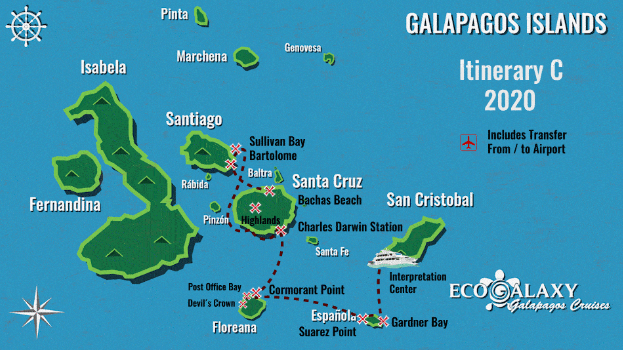
This 6-day Galápagos Islands cruise, starting at Baltra Airport on Santa Cruz Island and ending at San Cristobal Airport, offers a diverse exploration of the archipelago’s central and northeastern islands, including Santa Cruz, Chinese Hat, Rabida, Seymour, Genovesa, Santiago, Bartolomé, and San Cristobal. The itinerary blends snorkeling, hiking, and wildlife observation, showcasing the region’s unique biodiversity, volcanic landscapes, and conservation efforts. Key experiences include spotting giant tortoises in the Santa Cruz Highlands, exploring lava fields at Sullivan Bay, and visiting the San Cristobal Interpretation Center to learn about the islands’ ecological significance. Guided excursions reveal vibrant marine life, iconic geological formations, and thriving bird colonies, providing an immersive journey through the Galápagos’ natural wonders.
Trip Name
6 Day Galapagos Cruise C aboard Catamaran Eco Galaxy
Days
6
Overview
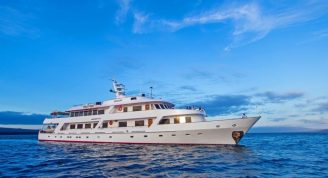
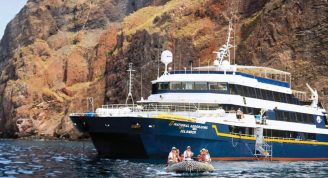
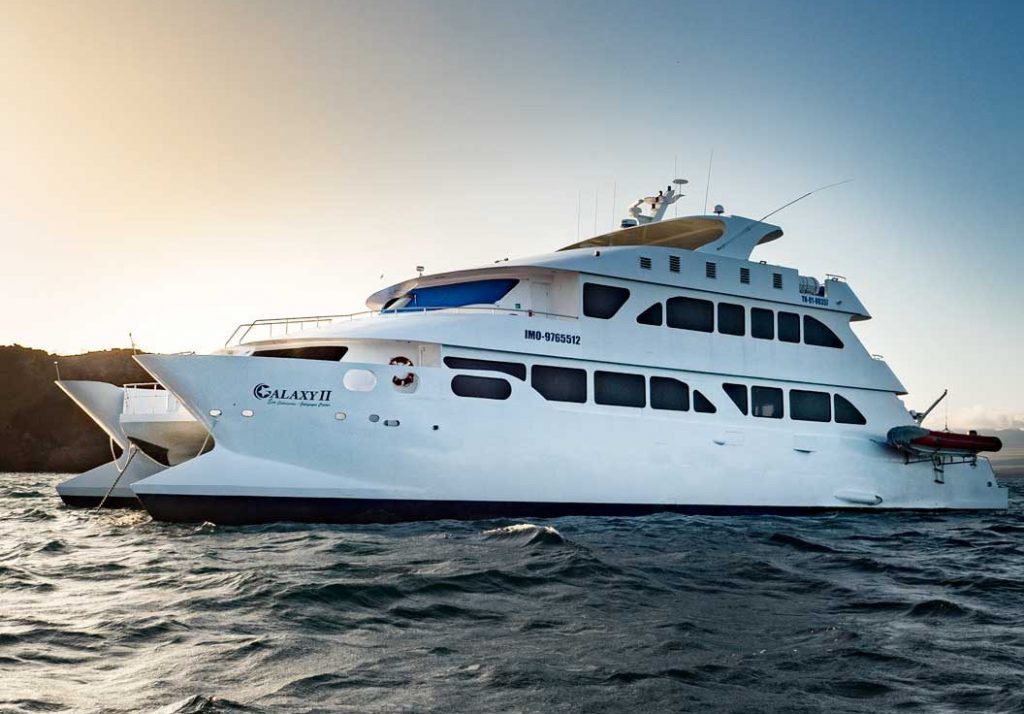
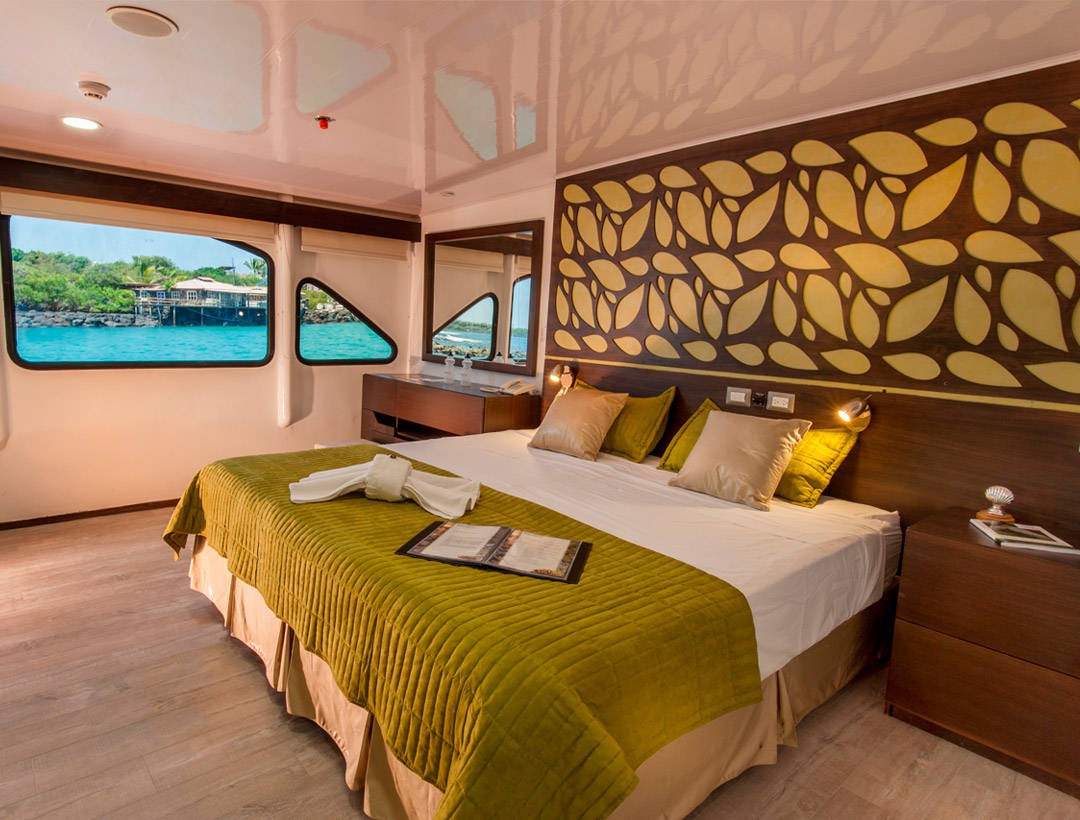
Vessel Type: Catamaran Length: 31 metres Passenger Capacity: 16 Built: 2014 EcoGalaxy operates as a first-class catamaran built with a low-impact profile to minimise disturbance to the Galápagos environment. The ship carries sixteen guests in eight cabins and maintains a compact, efficient layout that keeps all movement simple and intuitive. Social areas include a rear lounge with media and reading facilities, a dining room, bar, solarium, and an al fresco deck that opens directly to the surrounding landscape. Cabins are arranged in matrimonial, twin, and one triple configuration, all designed for basic comfort rather than excess decoration. The atmosphere is quiet, contained, and geared toward travellers who want steady access to the scenery without distraction. Operations emphasise predictable, well-structured activity days supported by a bilingual guide and a small crew. Snorkelling equipment is included, with supervision for guests who need it. Kayaks, panga rides, and guided walks provide the rest of the field programme. The culinary approach is built around Ecuadorian dishes shaped by island-sourced ingredients, with enough flexibility to accommodate dietary variations without complication. The ship functions as a stable, first-class platform with restrained amenities and a clear purpose: steady movement, reliable comfort, and low-impact exploration.

Itinerary


Day 1 - Day 1 AM: BALTRA AIRPORT (ARRIVAL) & PM: BLACK TURTLE COVE
Welcome to Galapagos! Upon arrival at Baltra Airport, your naturalist guide will greet you and assist with the transfer to Itabaca Channel. This initial journey offers your first connection with the archipelago as you take a short ferry ride to Santa Cruz Island. Along the way, observe Baltra’s arid landscape and learn about its history as a former U.S. WWII airbase. This is just the beginning of the many fascinating stories awaiting you on your adventure.Black Turtle Cove gets its name from the abundance of green sea turtles, locally known as: “tortugas negras”. There is no landing here so you will be doing a boat tour on the dinghies, exploring shallow channels and small coves surrounded by beautiful mangrove forests. Reef sharks, sea turtles and several species of rays inhabit this beautiful area which is considered an important mating area for turtles and a nursery for several species of sharks. Herons, pelicans and boobies are also common here as they pray in schools of anchovies.
Day 2 - Day 2 AM: CHINESE HAT & PM: RABIDA
Named for its distinctive cone shape, Chinese Hat is a small islet separated from Santiago by a narrow channel, forming one of Galapagos’ most picturesque bays. Its turquoise waters, coral-sand beaches, and volcanic rocks create a stunning landscape. A coastal trail leads you through a sea lion colony, while on the lava rocks, you may spot penguins resting. This site perfectly blends breathtaking scenery with Galapagos’ remarkable wildlife, making for an unforgettable experience.Rabida is a small island famous for its reddish lava rocks (rich in iron) which gives it a unique look. The beach is also red and hosts a small colony of sea lions. There is a small salt water lagoon where we will see ducks and stilts and sometimes flamingoes. The trail will take you inland to get beautiful views of the beach and the lagoon. Look for Darwin finches, flycatchers and mockingbirds. In the cliffs along the coast you can find Nazca and blue-footed boobies, brown noddy, herons and the two species of sea lions: Galapagos and fur seals.
Day 3 - Day 3 AM: NORTH SEYMOUR & PM: HIGHLANDS
This island is home for large colonies of both magnificent and great frigatebirds and you can see them displaying their red balloons to attract a female. Blue-footed boobies nest in the ground and perform their famous dance in the open areas, while swallow-tailed gulls perch on the cliff edges. Land iguanas are common inland while their marine cousins bask in the rocks by the sea, close to sea lions, which often like to body surf in the waves.Either if you do this visit starting from Baltra or from Puerto Ayora, a bus will take you to the highlands stopping along the way at one of the reserves to visit the lush highland forests where you will look for Galapagos Giant tortoises in their natural environment. This is the best place in the Galapagos to see these gentle giants (reaching over 300 kg / 600 pounds!) casually grazing and resting in freshwater ponds. This is also home for a great diversity of birds rarely found at the lowlands, including finches (tree, woodpecker and vegetarian finches), flycatchers and several species of water birds. You will visit a lava tunnel (depending on the itinerary) and learn how these extraordinary formations were created by ancient volcanic eruptions.
Day 4 - Day 4 AM: EL BARRANCO & PM: DARWIN BAY
El Barranco is located in the southern part of Darwin Bay at Genovesa Island. The cliffs facing the sea are made of very fragile fractured lava, making it the ideal place for storm petrels to build their colonies, which attracts an important population of short-eared owls preying on the nesting birds. Red footed and Nazca boobies are abundant along the trail. At the base of the cliffs you can see Galapagos fur seals resting in shaded areas, as well as several species of seabirds.Genovesa is a favorite island for birdwatchers as it is home for very large colonies of seabirds. From the minute you set foot at the beach you will be amazed by the noise of hundreds of boobies, gulls and frigatebirds flying over your heads, perched in the bushes or nesting on the sandy terrain. The trail is an ultimate wildlife experience as there are animals everywhere; sea lions and marine iguanas near the sea; night herons, lava and swallow tailed gulls, Darwin finches, Galapagos doves, mockingbirds and many more species inland.
Day 5 - Day 5 AM: SULLIVAN BAY & PM: BARTOLOME
This hike is a journey into understanding the birth of these volcanic islands. You will walk in a very well preserved flow of Pahoehoe lava, which will give you endless opportunities to see the delicate textures of these types of lavas which only appear in a few places throughout the world. At first sight the barren landscape looks completely deprived of life, but look carefully for pioneer plants, lava lizards and small birds. By the shore, you can find penguins, pelicans and oystercatchers.Bartolome is one of the most iconic islands in Galapagos, renowned for its dramatic volcanic landscape and the famous Pinnacle Rock. Nestled beside a peach-colored sand beach, this island is one of the few places where you can spot penguins without traveling to remote Isabela and Fernandina. The hike to the summit offers breathtaking views of a lunar-like terrain dotted with volcanic cones, with stunning panoramas of Sullivan Bay and Pinnacle Rock. From the top, the vast beauty of the archipelago unfolds before you, creating a truly unforgettable experience.
Day 6 - Day 6 AM: INTERPRETATION CENTER & PM: SAN CRISTOBAL AIRPORT (RETURN)
Located in the outskirts of Puerto Baquerizo, this center is dedicated to the history of human presence in the Galapagos. Since the times of the early Spanish explorers to the present times, including illustrious visitors such as Charles Darwin, this permanent exhibition will take you through the dangers and struggles of the first settlers trying to survive the harsh Galapagos environment.After exploring the breathtaking biodiversity and unique landscapes of the Galapagos, it’s time to return to mainland Ecuador. You’ll be transferred to the airport, bringing this unforgettable journey to a close. Every encounter with giant tortoises, blue-footed boobies, and volcanic landscapes will remain etched in your memory. Galapagos is not just a destination—it’s a transformative experience that will stay with you forever. Wishing you a wonderful journey back!
Day 7 - Please Note:
This itinerary is subject to change without notice; due to seasonal changes, weather conditions or Galapagos National Park regulations.

Trip Dates

StartEndPrice FromRoom Type

Inclusions

    • Genovesa Island’s Bird Haven: Explore Genovesa’s Barranco and Darwin Bay, teeming with red-footed boobies, storm petrels, and frigatebirds, offering exceptional birdwatching and scenic coral beaches.
    • Bartolomé Island’s Pinnacle Rock: Hike to Bartolomé’s iconic viewpoint for breathtaking vistas of Pinnacle Rock and snorkel in crystal waters with penguins and colorful marine life.
    • North Seymour’s Wildlife Spectacle: Encounter vibrant frigatebirds with inflated red pouches and blue-footed boobies on North Seymour, complemented by excellent snorkeling opportunities with diverse marine species.

Map